The Clay Lab Videos Podcasts & Articles Banner

Shooter Spotlight: Rising Talent – The Journey of Youth Sporting Clays Shooter Turner Adams

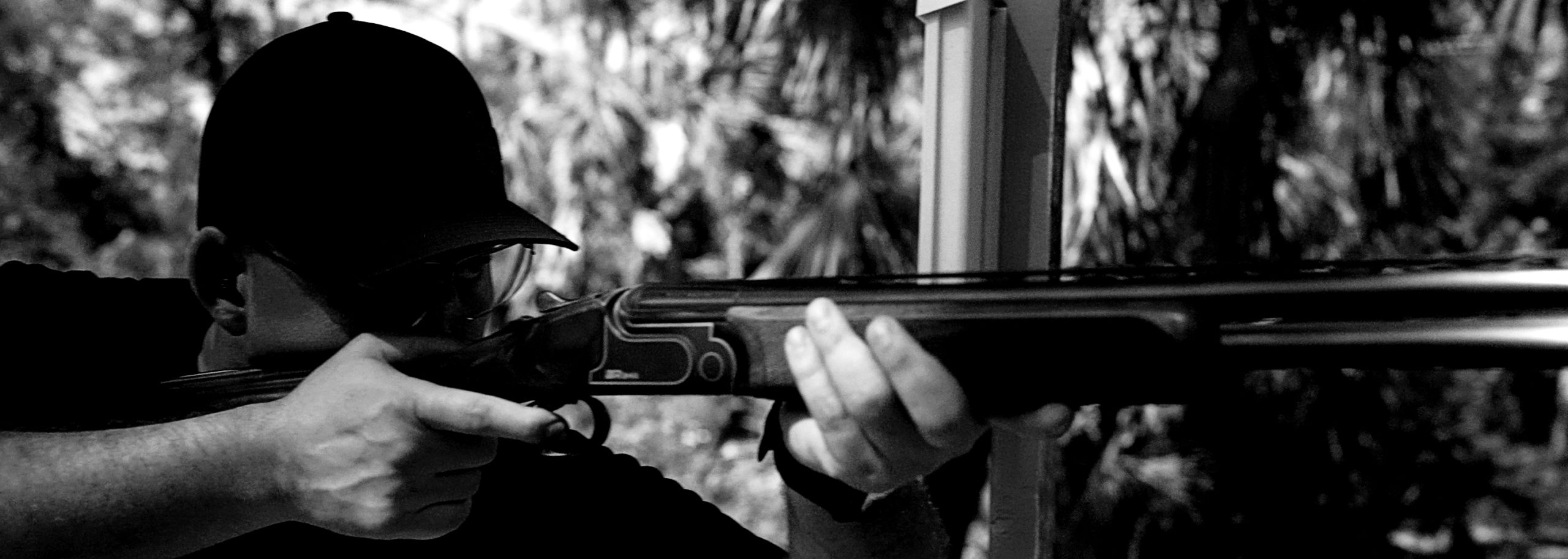
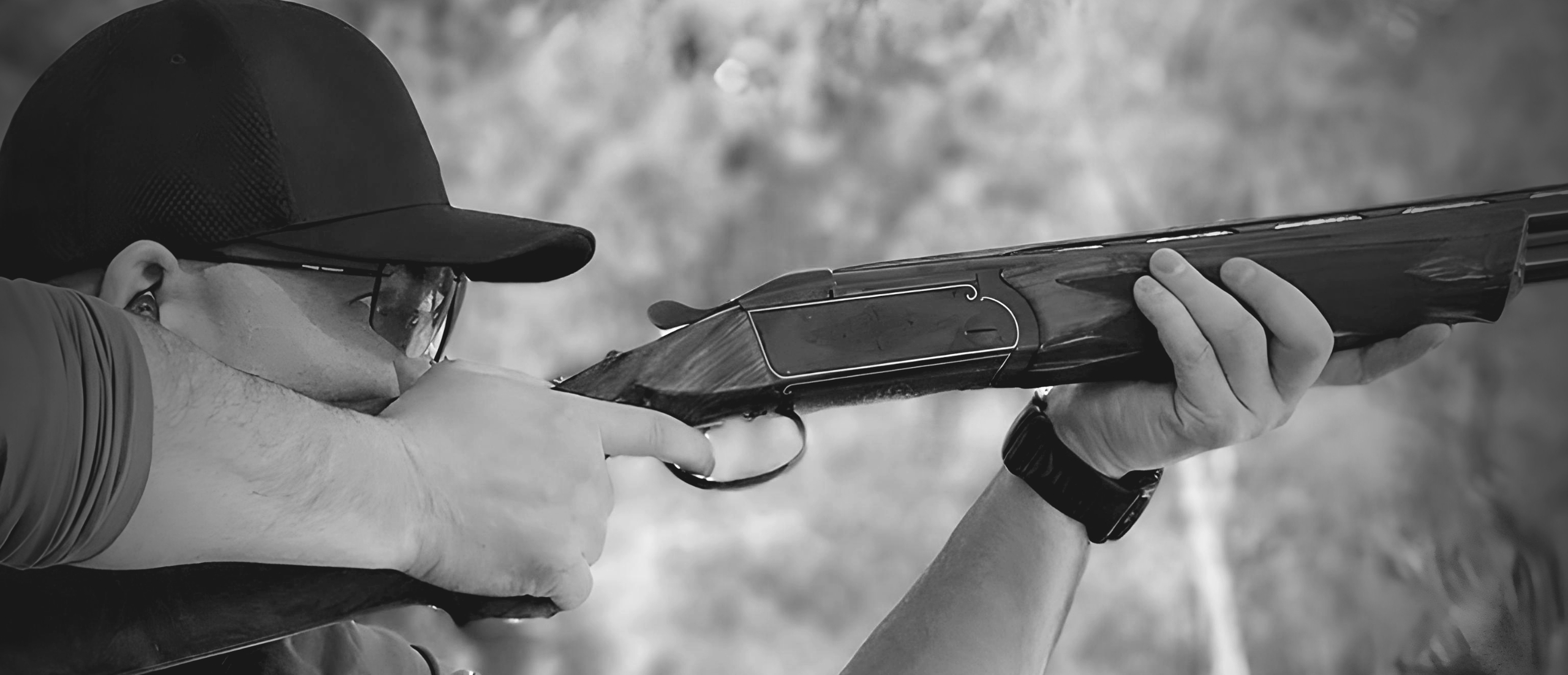
When I traveled to the United Kingdom for the 2025 World English Sporting Championships at E.J. Churchill, I had the opportunity to meet Turner Adams and his family. Over the course of the week, I not only watched him compete but also had the privilege of shooting Super Sporting alongside him. What stood out was not only his undeniable skill behind the gun but his demeanor—serious in his focus yet approachable and friendly in conversation. He carried himself like a young gentleman, disciplined in his preparation, respectful of his peers, and clearly committed to achieving greatness in a sport that demands resilience, technical mastery, and mental strength.


Turner is part of the new wave of youth shooters who are transforming the future of sporting clays, showing what happens when raw talent meets strong family support and professional guidance. His story is both a reflection of his Mississippi roots and a testament to what dedication can accomplish at a young age.

Early Life and a Love for the Outdoors


Turner’s introduction to shooting came naturally.


“My name is Turner Adams, and I’m proud to call Tremont, Mississippi my home. I’m a student at Itawamba Agricultural High School and a member of Providence Hill Shooting Club. My love for the outdoors started early, my family, including my father, my mother, my grandfather and grandmother, have hunted for as long as I can remember. From the moment I could carry a pellet gun, I was learning the basics of shooting and enjoying time in the field.”


Those words reveal something fundamental: Turner’s shooting journey was not born in isolation but within the framework of family traditions. Hunting and the outdoors were not just hobbies in his household—they were part of the rhythm of life. From the first pellet gun in his hands to long days spent outdoors with his parents and grandparents, Turner grew up immersed in a lifestyle where responsibility, patience, and respect for nature were taught early.


It was only natural that those beginnings would lead him to organized shooting sports.


“I eventually joined 4-H and a local SCTP group, and it didn’t take long for sporting clays to become more than a hobby, it became a passion I wanted to pursue seriously.”


Many shooters enter the sport through school-based programs, but for Turner, it quickly transformed into something bigger. What began as casual competition soon became the foundation of a competitive journey with national and international potential.

Climbing the Ranks: From D-Class to Master


Turner’s progression through the NSCA ranks shows how dedication can accelerate development.


“I started my NSCA journey in D-Class and through a lot of hard work and dedication, moved up to Master Class earlier this year.”


Advancing from D-Class to Master Class is no small feat, particularly for a young shooter still balancing academics, hunting trips, and the social aspects of high school. It requires consistent training, thousands of targets, and the ability to learn quickly from both success and failure. For Turner, the climb wasn’t just about trophies but about setting high standards for himself.


His first taste of a major national competition solidified his commitment.


“My first major competition was the 2024 World Sporting Clays Tournament at M&M Hunting & Sporting Clays in New Jersey. That event showed me just how much I love competing on the big stage.”


M&M’s World Sporting Clays is a proving ground for some of the world’s best shooters. For Turner, competing there was not only about measuring his skills against top talent but also about realizing that he belonged on that stage. That confidence carried him forward into 2025 and beyond.

Overcoming Challenges: Size, Strength, and Mental Game


Like many youth shooters, Turner faced unique obstacles.


“One of my biggest challenges starting out was my size and strength being younger and smaller made handling heavier guns a real struggle. Over time, I’ve worked hard on my routine and mental focus, and while it’s still something I continue to improve, those efforts have paid off in my growth as a shooter.”


This is a critical point in Turner’s journey. Many young shooters quit before reaching higher levels because the physical demands of the sport—recoil management, proper gun mount, and maintaining form through long events—feel overwhelming. Turner chose instead to adapt. By focusing on physical conditioning and the mental aspects of the sport, he turned what could have been a limitation into a stepping stone. His progress is proof that shooting sports reward persistence and a willingness to work through adversity.

The Clay Lab Network Articles is Brought to You by

Guidance from a World Champion


Perhaps one of the most important influences in Turner’s career has been his coaching.

“A huge part of my development has been thanks to my coach and mentor, Anthony Matarese Jr. I began taking lessons with him Thanksgiving week of 2023, and since then, he’s not only helped me refine my technical skills but also taught me how to stay positive and see the bigger picture in shooting. His dedication and encouragement have pushed me toward my goals while shaping me into a better person within the shooting community.”


Training with a world champion like Matarese Jr. gave Turner access to a rare blend of technical expertise and mental strategies. But more importantly, it gave him a role model in how to balance competition with sportsmanship. Turner not only learned how to break more targets but also how to carry himself with confidence and humility.

The Power of Family Support


Behind every young shooter is a support system that makes the journey possible.


“None of this would be possible without my family, my parents and grandparents are my biggest supporters and cheerleaders. Their encouragement has not only kept me motivated but also given me the opportunity to meet some of the best shooters in the world, building friendships and connections all over the country.”


Turner’s story underscores the importance of family involvement in youth shooting sports. From financial investment in equipment and travel to the countless hours spent at ranges and competitions, his parents and grandparents have been the backbone of his journey. Their presence at events provides stability, encouragement, and perspective—key ingredients for a young athlete learning to manage pressure.

Tools of the Trade


Turner’s shooting equipment reflects his progression in the sport.


“I started out shooting a Benelli 20-gauge M2 automatic and now compete with a Krieghoff K-80 Parcour 32” barrels 12-gauge with Briley chokes. My ammunition of choice is Winchester AA, 1 oz., 7.5 shot, traveling at 1250 fps.”


The transition from a semi-automatic to a competition-grade over-under is a milestone for any competitive shooter. The Krieghoff K-80 is a world-class shotgun, trusted by many top professionals for its balance, durability, and performance. Turner’s choice of equipment not only signals his growth but also his seriousness about competing at the highest levels.

A New Chapter: The Beretta SL2


Recently, Turner’s equipment journey took an exciting new turn. He was gifted a Beretta SL2 from his loving family, a shotgun that represents one of Beretta’s most advanced designs for competitive clays shooting. What makes this gift especially meaningful is that the gun came with a beautiful blank stock, a canvas ready to be carved and shaped into a custom-fitted piece uniquely tailored to Turner’s frame, mount, and style of shooting.


The transition between competition guns can be challenging, even for seasoned professionals. Every shotgun has its own feel, balance point, recoil signature, and sight picture. Moving from a Krieghoff K-80 Parcours to the Beretta SL2 is not just about picking up a different tool; it requires patience, consistency, and an open mind. For a young shooter still mastering his craft, such a change can test discipline and focus.


But it’s also a tremendous opportunity. With time and commitment, all the skills Turner has honed—his mental discipline, refined mechanics, and keen visual control—will carry over. In fact, the process of adapting to a new competition gun often sharpens a shooter’s awareness, forcing them to pay closer attention to fundamentals and develop an even stronger bond with their equipment.


The SL2’s design, paired with a properly fitted stock, will give Turner an edge as he grows physically and continues to refine his technique. A custom stock doesn’t just make a gun more comfortable; it ensures consistent mounts, smoother transitions between targets, and reduced fatigue over long events. For someone competing at Turner’s level, those margins can mean the difference between finishing on the podium and just outside of it.

Turner approaches this next chapter with the same mindset that has carried him from D-Class to Master Class: patience, persistence, and an eagerness to learn. The Beretta SL2 represents not just a gift of craftsmanship but also a symbol of his growth, a bridge between his present achievements and the future he envisions on international stages.


Wisdom Beyond His Years


One of Turner’s most striking qualities is his perspective.


“For new and aspiring shooters, my advice is simple: surround yourself with good people. Find a coach or mentor who’s willing to invest their time in you, stay teachable, and remember to listen more than you talk.”


That advice reflects maturity. In a sport where ego can often get in the way of progress, Turner emphasizes humility and teachability—two qualities that ensure long-term growth. His words remind us that success in sporting clays isn’t just about hitting targets; it’s about relationships, mentorship, and lifelong learning.

A Life Beyond the Range


Turner is not just a competitive shooter—he’s also an avid outdoorsman.


“Outside of shooting, I’m an avid hunter and fisherman. I love deer and turkey hunting, traveling across the U.S. with my dad in pursuit of turkeys, and upland hunting with my mom. Together, we train and work with our German Shorthaired Pointers, competing in and enjoying activities in the upland bird dog world.”


Hunting and fishing keep him grounded in the traditions that shaped him, while working with bird dogs adds another dimension to his outdoor life. These pursuits reinforce the skills and values—patience, observation, discipline—that directly carry over to sporting clays.


Gratitude and Faith

Perhaps the most defining part of Turner’s journey is his sense of gratitude.


“I’m grateful to the people who’ve supported me so far, especially my parents and grandparents. I also want to thank Joey Buchanan and Brian Rishel for their encouragement and support of my shooting journey along the way. Most importantly, I strive to keep God first in everything I do both in shooting and in life. This journey is still just beginning, but I’m excited to see where faith, hard work, dedication, and a love for the sport will take me.”


Faith, family, and community are the pillars that keep him moving forward. Turner’s recognition of those around him demonstrates humility, while his trust in God gives him balance and perspective.


Conclusion: The Future of Sporting Clays


Meeting Turner Adams in the UK reminded me why youth involvement in sporting clays matters so much. His story combines talent, discipline, mentorship, and family support into a model that others can look to for inspiration. At just a teenager, he is already competing at a level that many shooters aspire to reach, and yet he remains grounded, approachable, and deeply committed to the sport.


Turner Adams represents the best of what the next generation of sporting clays shooters can become: skilled competitors, responsible young men and women, and ambassadors for a sport that blends tradition with modern competition. His journey is only beginning, but there’s little doubt that his name will continue to appear at the top of leaderboards, both in the U.S. and on international stages.

Back to Articles Home
Videos by The Clay Lab
Podcasts by The Clay Lab Network

The Rise of Sub-Gauge in Competitive Sporting Clays—and Why 12-Gauge Still Matters

Rise of Sub-Gauge - The Clay Lab Network Articles Cover B&W

Over the past decade, sub-gauge events in competitive shotgun sports have experienced a remarkable surge in popularity, captivating a growing number of shooters who appreciate the added challenge and technical demands of shooting smaller-gauge firearms like the 20-gauge, 28-gauge, and .410 bore. Theseevents, now common fixtures in disciplines such as skeet, sporting clays, and upland-inspired competitions, are more than just a fun diversion. They require a deep understanding of ballistics, recoil management, shot pattern behavior, and precise gun handling.

Competing with sub-gauge shotguns isn’t simply a matter of picking up a lighter gun and shooting smaller shells—it’s an entirely different mindset. It's about adapting your technique, approach, and expectations. These smaller gauges bring reduced shot payloads, altered recoil characteristics, and in many cases, tighter and more challenging shot patterns. For serious competitors, mastering sub-gauge events can be a rewarding pursuit, but they are not without their own set of complications and hurdles. Many top shooters turn to high-performing platforms like the Krieghoff K-20 Sporting or Perazzi MX28 to give themselves the best chance at consistent success across events.

Why Sub-Gauge Is Gaining Ground

The appeal of sub-gauge events is multi-faceted. First and foremost, many shooters are drawn to the elevated difficulty. The lower pellet counts and tighter shot patterns demand more precise shot placement. Where a 12-gauge shell may provide a forgiving spread at distance, a .410 or 28-gauge shell might not be nearly as generous, especially on longer targets or challenging presentations. That built-in challenge fuels a competitive fire in many shooters. It becomes a badge of honor to break targets consistently with a gauge that demands almost surgical precision. Guns like the Perazzi MX410 embody that philosophy—offering competition-level accuracy with the ultra-light .410 bore.

Reduced recoil is another compelling reason shooters turn to sub-gauge events. With lighter payloads and smaller cartridge sizes, sub-gauge shotguns often produce less perceived recoil. For some shooters—especially youth, seniors, or those recovering from injury—this can make a long day on the range much more enjoyable and manageable. It also reduces fatigue and flinching over multiple rounds, potentially improving overall performance. The Beretta 687 Silver Pigeon III Field, available in sub-gauge configurations, is a favorite among those who want a soft-shooting platform without sacrificing elegance or reliability.

Cole Fine Guns New Banner

Additionally, sub-gauge events are frequently featured in national and regional competitions hosted by the National Skeet Shooting Association (NSSA) and National Sporting Clays Association (NSCA). As of the NSSA’s 2022 Annual Report, participation in sub-gauge events has increased by over 40% in the last ten years, showing that more shooters are either adding these events to their schedules or focusing exclusively on them.

For hunters, sub-gauge shooting often feels more “real” or practical. The smaller gauges replicate the conditions and limitations encountered in the field when pursuing upland game such as quail, grouse, or woodcock. Practicing and competing with these guns provides crossover benefits—enhancing field skills while staying sharp during the off-season. Options like the Beretta 687 EELL, prized for its exquisite handling and responsiveness in 20- and 28-gauge, transition effortlessly from field to competition.

Shotkam Ad Banner

The Challenges of Going Small

As rewarding as sub-gauge shooting can be, it undeniably introduces a number of additional challenges, especially for those used to the relatively forgiving nature of 12-gauge shotguns. For one, the physics of the ammunition itself work against you. A standard 12-gauge shell might carry 1-1/8 ounces of shot—enough to produce a generous, dense pattern. By contrast, a 28-gauge shell typically carries just 3/4 of an ounce, and a .410 bore shell often holds as little as 1/2 to 11/16 ounces.

This lower pellet count translates to fewer opportunities to hit a target—particularly on crossing, fast-moving, or long-distance presentations. The reduced muzzle velocity common in many sub-gauge loads also means that shooters must pay closer attention to lead, shot timing, and movement anticipation. Targets that would be crushed by a forgiving 12-gauge spread may be missed entirely with a 28 or .410 unless shot placement is spot-on.

Moreover, while many people assume that sub-gauge guns always kick less, that’s not universally true. Due to their lightweight design, some sub-gauge guns can actually produce sharper felt recoil despite lower overall energy. When high-velocity shells are introduced in lightweight frames, the reduced mass of the shotgun fails to absorb the energy, which can catch shooters off guard and even cause fatigue or soreness over time. That’s where shotguns like the Krieghoff K-20 Parcours shine—it balances weight and recoil absorption remarkably well for a sub-gauge competition gun, making it a favorite for extended sporting clays sessions.

Training for Sub-Gauge Success

To perform well with sub-gauge firearms, shooters must double down on fundamentals. There’s simply less room for error. Gun mount, foot position, and swing mechanics need to be consistent and refined. Sub-gauge shooting rewards a balanced stance and smooth, efficient movements—any rushed or jerky action is likely to throw the shot wide of the mark.

Pattern testing becomes especially important with sub-gauge guns. Shooters should routinely test their guns and loads at distances like 20, 30, and 40 yards to better understand how their shot behaves. This data is essential in making informed decisions about choke selection, load choice, and engagement strategy. As Don Currie, chief instructor of the NSCA, wisely points out, “Pattern testing is essential for sub-gauge success. Without it, you’re relying on guesswork.”

Many shooters also incorporate training aids like sub-gauge tube sets into their 12-gauge frames. These allow a shooter to mimic the experience of shooting sub-gauge loads while using their familiar competition shotgun. The weight and balance of the 12-gauge stock help maintain ergonomics, making the transition smoother. It’s also a cost-effective way to practice sub-gauge shooting without investing in an entirely new firearm.

Some drills that particularly benefit sub-gauge shooters include high repetition crossing shots, hold-point discipline, and target tracking exercises. These build muscle memory and reinforce repeatable movements—critical when each shot counts more than ever. For those ready to train with purpose-built sub-gauge equipment, models like the Zoli Z-Sport Silver and the premium Beretta SL3 offer refined craftsmanship with outstanding balance and consistency across 20 and 28-gauge formats.

Doctor Richard Colo Signature Banner

A Word on Equipment and Adaptation

Success in sub-gauge shooting often hinges on selecting the right equipment—and tuning it to fit the shooter’s body and style. Lightweight guns can be a blessing or a curse, depending on how they handle. Some shooters add barrel weights or use aftermarket recoil pads to help manage balance and felt recoil. Adjustable combs, stock extensions, and precision-fit chokes can all help a shooter get the most out of their gear.

Gauge-specific characteristics also influence performance. The 20-gauge is widely regarded as the easiest transition from the 12-gauge. It delivers moderate recoil, decent shot capacity, and familiar ballistics. The 28-gauge, while more challenging, still maintains enough shot density to be effective and is especially popular among competitive sporting clays shooters who enjoy a lightweight yet capable gun. The Beretta SL3, for example, is praised not just for its aesthetics, but for its excellent handling in smaller gauges. The .410, on the other hand, is an entirely different beast—unforgiving, demanding near-perfect form and shot timing. For that reason, it's often seen as the ultimate test of a shooter’s control, requiring pinpoint accuracy and razor-sharp reflexes.

The Clay Lab Network Articles is Brought to You by
Westside Sporting Grounds Banner

But Let’s Be Real—12-Gauge Still Reigns

Despite the allure of sub-gauge events, it’s crucial to acknowledge one truth: the 12-gauge is still king in competitive clay shooting, especially at the upper levels. Most top-tier competitors—from sporting clays to FITASC to five-stand—spend the majority of their time shooting and mastering the 12-gauge. It remains the most versatile, most accessible, and most prevalent gauge in competition.

The reality is that at nearly every major event—be it the U.S. Open, World FITASC, or National Sporting Clays Championship—there are more than enough 12-gauge events on the program to keep a shooter busy for the entire competition. You could attend a major shoot and focus solely on 12-gauge events, skip the sub-gauge options entirely, and still be completely fulfilled both competitively and recreationally.

More importantly, mastering the 12-gauge builds the core foundation of your shooting skills. It’s the benchmark. Every other gauge should be considered a variation or extension—not a replacement—for what you learn with the 12. If you want to stand on the podium, especially at the professional level, you’ll need to be competitive in the 12-gauge main events.

That said, the temptation to jump headfirst into sub-gauge competition is real. It’s fun. It’s technically demanding. And it gives shooters a sense of specialization—like mastering a niche weapon in a larger arsenal. But as enjoyable as they are, sub-gauge events should supplement, not substitute, your 12-gauge training and competition.

It’s About the Fun, Too

All that being said, this sport is fundamentally about enjoyment. If sub-gauge events are what bring you joy—whether it’s the unique challenge, the lighter recoil, or the style of shooting they require—then by all means, embrace them wholeheartedly. Every shooter brings a different set of goals, motivations, and preferences to the field. Not everyone is gunning for the podium. Some are there to unwind, enjoy the outdoors, and sharpen their skills in new and interesting ways.

So if sub-gauge events are your thing, more power to you. That’s one of the best parts about shotgun sports—you can tailor your experience to your personal goals. Whether you're a .410 perfectionist with a Perazzi MX410, a 28-gauge loyalist with a K-20 Sporting, or a 20-gauge upland traditionalist carrying a Beretta 687 EELL, there’s room for you here.

Sportsman's Training Center Banner 2184x270

Final Thoughts

Sub-gauge events offer a rich and rewarding layer of complexity to shotgun sports. They demand precision, control, and strategy, offering shooters a new way to test their skills and enjoy the sport. But they also introduce challenges that shouldn’t be underestimated—less forgiving shot patterns, reduced pellet counts, and gear-specific nuances that can throw off even experienced shooters.

At the same time, it's important to remember the foundation of competitive shooting lies in mastering the 12-gauge. It's where the competition is fiercest, the prizes are richest, and the standards are highest. As fun and rewarding as sub-gauge shooting is, it shouldn't come at the expense of neglecting the core events that define the sport.

In the end, whether you’re chasing a championship title or simply trying to crush a few clays with friends, find what fuels your passion and pursue it. If that's .410 bore and a tight skeet field, great. If it's 12-gauge on a wide-open sporting clays course, even better. This sport is big enough for all of it.

Jereme P Tayamen Signature Only Black
Back to Articles Home
Videos by The Clay Lab
Podcasts by The Clay Lab Network

Stop Looking at Every Target – Tips for Competitors in Sporting Clays

Jereme P Tayamen - Stop Looking at Every Target

We are going to break down a typical shooter’s day and
the number of targets they could possibly see vs the number of targets they
should be focused on. This is a pitfall that many shooters fall into without
even thinking about. We are going to talk about how your 100-target event can
easily turn into 456+ targets of visual work for your eyes. The point of this
article is to help you understand the choices you make during the execution of
your shooting day can influence your performance. This sport is truly a visual
game, mixed with proper mechanics, adequate equipment, and a solid mental game.

The major point to consider, simply put, is that human
eyes contain muscles. Primarily talking about the extraocular muscles, which
can experience fatigue when overworked, leading to a condition called "eye
strain" or "eye fatigue" where you might feel a heaviness,
soreness, or discomfort around the eyes after prolonged focusing. Anytime your
eyes are not operating at their peak performance, it is a disadvantage to you
as the shooter. There is a difference between observing targets and hard
focusing on them, but both use your eye muscles. To keep things simple, we'll
just say we are 'looking' at targets. Keep this in mind as we start discussing
single day or even multiple day events. Let’s dive into the problem-set.  

Cole Fine Guns New Banner

The Scenario Background

In this scenario you are shooting two 100-target sporting events in a single day which is very common for either a single or multiple day event. We are going to use a 14-station course as the standard for this course with a typical mix of three to four pairs per station. Most shooters can find themselves in a situation where they are shooting even more than 200 targets in a single day if they are trying to cram everything into just the weekend of a multi-day shoot.

Math Behind Potential Eye Strain

The simplified math will be shown below but here is the explanation behind it. The first 100 target event will include the 100 targets you shoot at for score. Then you have the 2 show-pairs at every station that you will use to develop your game plan for the station. Given the 14-station course layout we are using, that’s an additional 56 targets (2x2=4, x 14 Stations) if you view your show-pairs. Now, let’s assume that most shooters are assisting the current shooter in the box and the trapper to make sure that scores are recorded accurately for dead targets and missed targets to be a “Good Squad Mate”. In a squad you will typically have 4 shooters in a squadded event where trappers are provided. If you watched every target thrown for the other three shooters, that is an additional 300 targets not even accounting for “no-bird” calls. This doesn’t even address the targets people we see while observing the squad ahead of them while waiting to shoot just to get a glimpse are what the station could involve. This means that during this 100-target event, you CAN see up to 456 targets! That is a lot of clay targets to view.

Doctor Richard Colo Signature Banner

The Simple Math 

Your targets for score:                                          100 targets

Show Birds for a 14-station course:                   056 Targets

Other three shooter’s targets for score:            300 Targets

Total Targets Viewed:                                      456 Targets

Now we have your second round of 100 targets to complete the second event. The math is simple, 456 more targets bringing your grand total for the two rounds to 912 targets. This doesn’t include any sort of “warm-up” you shot prior to your events. Now that we know how many targets a shooter can see during a 200-target event day, the question is “how many targets should you look at?”.


Targets You Shoot for Score

Obviously, the targets you are shooting for score are a must to look at. These targets are clearly important to achieve the results you are looking for from a performance standpoint. Nothing else should really be said about these targets.

The Clay Lab Network Articles is Brought to You by
Westside Sporting Grounds Banner

Show-Pair Targets

Developing a plan for the station is clearly an important task. Some people are comfortable see the show pair once and getting to work. I highly recommend utilizing all your show pairs to develop a solid game plan for the station. This includes hold points, the kill point or zone (where you see the target best), how you plan to transition to the second target, the methods you plan to use, and whether you will start pre-mounted or with a low gun. Given this large list of things that should be figured out, these targets should clearly be a high priority to view and expend the visual effort towards. An additional benefit is the perspective you will receive during these show-pairs due to your physical positioning in/around the stand without distracting the shooter who is currently up to shoot.


Squad Mate’s Targets for Score

How many of these targets should we be looking at? Well, the answer is, it depends. The hard part is balancing being a “good squad mate” and conserving your eyes. If you are in a squad, then they should act like one and use teamwork to support each other. If one person is shooting, the “on-deck” person is planning/validating, then the third or fourth person could assist. Ultimately, this is why trappers are important and should be treated very well by the club; but that’s another subject for another time…maybe. Help where you can, be a good person, but remember that most of the time this is not a team sport so you will have to figure out what helps you sleep at night.


Squad Ahead of You

Tread lightly on the number of targets you view from the squad ahead of you while waiting to shoot. There are obvious benefits to observing things like how someone is approaching a true-pair station, but it may not be in your best interest to watch all four shooters shoot all four pairs adding up to an additional 32 targets per station expediting your path to eye-strain. 

Sportsman's Training Center Banner 2184x270

Conclusion

This is all just something to consider as you go through your shooting journey. I am not advocating that everyone becomes a selfish shooter and never helps their squad out. This could possibly even assist with people who do operate like that appreciate those squad mates who do put in the extra effort looking for chips. Your eye muscles, like the rest of your muscles, have a limited capacity for use at high performance levels. Take care of them, use your hard-focus wisely, and plan appropriately when developing your shooting schedule. Cramming 350 targets into a single day may not be the best option for peak performance. However, I understand that not everyone can take four days off work to space out each event properly. As unpopular as this opinion might be with clubs, consider picking only the most meaningful events rather than shooting everything. At the end of the day, make sure your plan aligns with your shooting goals. Having the most registered targets shot between you and your friends is cool but I’d argue having a higher shooting average in less events is cooler. I am on year four of shooting and the points I made have finally set in and have helped me elevate my game, even if it is only by a little bit. I hope this was of value to you and would appreciate your thoughts on the matter. 

Jereme P Tayamen Signature Only Black
Back to Articles Home
Videos by The Clay Lab
Podcasts by The Clay Lab Network

Focusing on a Successful “Process” in Sporting Clays to Hit Targets

Jereme Tayamen Focusing on a Successful “Process” in Sporting Clays to Hit Targets V1

Sporting clays is a dynamic and mentally demanding shooting sport that requires a high level of skill, concentration, and strategy. Sporting clays provides shooters with a variety of stations, each featuring different angles, speeds, and types of targets so the way a shooter approaches the game can be one of things that makes or breaks their game. These variations create a complex and ever-changing environment where the best shooters are those who can maintain consistency through a well-developed mental game a understanding of mechanics, all while putting them together. This article is just a collection of some of the best advice I've learned over the years from The Greats of the sport through personal interaction, podcasts, or even videos. Whether it's lessons with Will Fennell, reading Anthony Matarese's book, speaking with Dan Carlisle, or spending hours learning about the game with Doctor Richard Colo and Jim Greenwood. It's primary purpose is emphasizing the importance of establishing AND implementing a successful shooting process in sporting clays, emphasizing the need for shooters to allocate time and energy into perfecting the process which will ultimately lead to results. This information is an inch deep in a pond a mile wide and not meant to be the end all be all to success. I myself still work on perfecting the process to make it all second nature. Ultimately, the best advice is to work with a coach that will help you develop your game holistically but here is my best advice on the subject in my own words.


In my opinion, the process in sporting clays can be broken down into four main phases: station planning, the pre-shot routine, executing the plan, and the post-shot routine. Each of these phases plays a critical role in a shooter’s ability to hit targets consistently and develop a repeatable performance under varying conditions. Understanding how to establish, refine, and perfect each of these phases is essential for anyone looking to elevate their shooting to a higher level. Through deliberate practice and thoughtful analysis, shooters can build a successful process that enhances their overall game. Focusing on the Process and not the results is the name of the game. As mentioned, none of this is going to be "mind-blowingly" new but it will hopefully be structured in an easily digestible manner.

Phase 1: Station Planning


The first phase of the process begins long before the shooter ever calls for the target. Station planning is the cornerstone of a successful shot, as it sets the foundation for everything that follows. Effective planning allows the shooter to approach each station with a clear idea of how they intend to break the targets in front of them. The station planning phase is an exercise in observation, decision-making, and mental preparation, and it involves several critical steps that must be executed with good mechanics and confidence.


1.1: Seeing the Show Pair or Show Birds


At each station, shooters are given the opportunity to see the “show pair” or “show birds” before they begin shooting. This is a critical moment where shooters can observe how the targets behave in the air and where they will need to focus their attention. The show pair gives the shooter a preview of the target presentation, but it is important to remember that the show birds are not always identical to the targets you’ll be shooting. Weather gets a vote in this outdoor sport. The goal during the show pair is to take note of the key visual information: the flight path, speed, angle, and distance.


Many shooters make the mistake of rushing through the show pair or failing to pay full attention. However, this phase of station planning is essential because it provides insight into how best to approach the upcoming targets. A good practice is to take mental notes of any potential challenges or variations that could influence the shot.

Doctor Richard Colo Signature Banner

1.2: Determining Where You See the Bird the Best


When viewing the show birds, the most important task is to determine where you see the bird the best and more importantly what detail you will visually find in every pair afterwards. Different shooters may have different visual preferences and comfort levels based on the angle and speed of the targets. 

Understanding where you see the bird most clearly will influence your approach to the station. The clarity of your visual focus is critical because it will guide your shooting technique. "Where you see it the best" doesn't mean that it is 100% in focus, it means "the best" as written. That target may never be 100% in focus.

1.3: Choosing the Shooting Method


Once know where you see the bird the best, it’s time to decide on which shooting method to use. There are several methods that shooters use to break targets, and choosing the right method depends on a wide variety of things. This article isn't about the specific methods so yes we are going to gloss over this, plenty of other material out there between instructional dvd's and YouTube videos. These methods include:

Pull-Away, Swing-Through, Sustained Lead, or even Collapsing Lead


The choice of technique depends on the target’s speed, distance, and trajectory. In many cases, the shooter’s comfort with one method over the others will determine the choice. The goal is to determine which technique will allow you to successfully engage the target with the least amount of disruption while taking into account targets variables that will come to you visually. 

1.4: Determining a Hold Point


The hold point is the spot where you position your gun before you call for the target. It is important to establish a hold point that matches the trajectory and is on the line. If you know you will have issues seeing the bird with your gun at that hold point, ask yourself if you should be pre-mounted or shooting low-gun. That will come into play in the next step while not forgetting angle, speed, and distance.

Your hold point should match the method you chose to kill this target. If you don't intend for the bird to beat you, then don't set yourself up to lose the race (too tight to the trap). If you're shooting swing-through, then you should purposefully lose the race but the question is by how much? If you're shooting maintain lead...then find a different article. Kidding aside, I have no idea so I don't pretend to know. General rule is about half to one-thirds the way back from your Kill Point (where you saw the bird the best). To a point, if you aren't working with a good coach or sports vision specialist, only you are going to know your current physical limitations, seeing ability etc. to help you establish good hold points.


1.5: Finalizing the Plan with Confidence


After considering the hold point, shooting technique, and visual focus, the final step in station planning is to solidify the plan with confidence. Confidence is the result of practice, experience, and trust in your preparation. The more time you spend planning and perfecting each presentation before competing, the more naturally you will feel when it comes time execute your plan. Confidence comes with repetition, and over time, the process becomes instinctive. When the shooter has confidence in their plan, they are more likely to remain calm and focused, which is essential for success in sporting clays.

The Clay Lab Network Articles is Brought to You by
Westside Sporting Grounds Banner

Phase 2: The Pre-Shot Routine


The pre-shot routine is a transition phase between the station planning and execution phases. This is when the shooter mentally and physically prepares for the upcoming shot(s). The pre-shot routine is designed to calm the mind, focus the attention, and ensure the shooter is mentally prepared to execute the shot at the right moment.


2.1: The Time for “Letting Go”


The pre-shot routine is not just a series of physical actions (adjusting your hat, fixing your glasses, or checking your shells); it is a mental reset. This phase is the time for “letting go.” Letting go means releasing the conscious control over your shooting mechanics and allowing your subconscious mind to take over. The pre-shot routine is about transitioning from an analytical, conscious state of mind to a more intuitive, subconscious approach to shooting.


When you “let go,” you are not trying to consciously control every movement in your shot. Instead, you are allowing your body to execute the actions it has practiced over time. The brain’s conscious mind is excellent at planning and analyzing, but it is the subconscious that handles the muscle memory and coordination needed for the shot. 


2.2: Call for the Target and Trust the Process


Once the pre-shot routine is completed, the shooter is ready to call for the target. At this point, it is important to trust the process and allow the subconscious to execute the shot. The conscious brain should remain detached from the mechanics of shooting; the focus should be entirely on the bird.

Sportsman's Training Center Banner 2184x270

Phase 3: Execution


The execution phase is when the shooter takes action based on the planning and preparation that has occurred. This phase is about carrying out the plan in real-time, using the subconscious to control the body and gun movement.


3.1: Letting the Subconscious Lead


When executing the shot, the shooter’s goal is to stay relaxed and trust the preparation they’ve done in the previous phases. The more a shooter has practiced, the more automatic the execution becomes. The subconscious mind takes over, ensuring that the shooter follows through with the correct technique. At this stage, the shooter focuses solely on seeing the bird and allowing their body to naturally follow through with the appropriate lead. In the Words of Doctor Richard Colo, the most important component of the execution of the shot(s) is attaining and sustaining visual control. We do that by providing the conscious mind with a task difficult enough that subconscious mind finished the shot for you. This is achieved by setting your attention fully on the detail of the bird. How you achieve that is huge subject on its own that Doctor Colo and his pupils are best to work with to describe.


3.2: Hitting the Target


Yes, the ideal outcome of execution is hitting the target. Successful shooters rely on their ability to follow through with the plan they’ve made, using the subconscious to guide them through the mechanics of the shot, and maintaining visual control through the process. The key is not to force the shot but to let it happen naturally. Lastly, I will say the thing I try my best not to forget is Doctor Colo telling me that it is more important to truly see 100/100 targets than it is to hit 100/100 targets.

Ranger Affiliate Banner v3

Phase 4: The Post-Shot Routine


The post-shot routine is crucial for learning and improving. This phase occurs immediately after the shot, when the shooter evaluates what just happened.


4.1: Evaluating the Shot


Once the target has been hit or missed, the shooter should take a very brief moment to assess what occurred. Stay within your allotted time which the rules outline and don't cut your next pre-shot routines corners. A Shooter should ask themselves, "was the plan executed well?"  If the shot was missed, "was it due to a mistake in execution or an issue with the station plan itself?" This quick evaluation helps the shooter make adjustments for future pairs. I myself can be seen on occasion shaking my head even though I hit the target. Why? because I know the process was executed wrong and building bad habits isn't okay even if I get lucky and break a few targets... I want to break all the targets.


4.2: Moving On


“Moving on” is an essential part of the post-shot routine. It’s important to move past a miss or a bad shot without letting it affect your focus for the next station. However, moving on does not mean forgetting the shot entirely—it means learning from it. A missed shot might be an opportunity to learn something about the station, the target, or the shooter’s mechanics. By learning from each shot, shooters can improve over time.


4.3: Preparing for the Next Station


After completing a station, the shooter’s focus should shift to the next station. At this point, applying the process—planning, pre-shot routine, execution, and post-shot evaluation—becomes the shooter’s primary focus. With experience, the process becomes ingrained, allowing shooters to perform at a high level under varying conditions. We will all forget this and eventually have to relearn what is important.

Conclusion

The process of shooting sporting clays is built on the foundation of consistent planning, mental preparation, execution, and post-shot reflection. The key to success lies not in the ability to hit any individual target, but in consistently applying the process across all stations, regardless of the challenges each one presents. Confidence comes with experience, and that experience is built through practice and analysis of each shot. By committing to a structured process that emphasizes station planning, pre-shot mental preparation, subconscious execution, and post-shot reflection, shooters can elevate their game and achieve long-term success. Whether you're an amateur, novice or an experienced competitor, dedicating time to perfecting these phases will help you refine your skills and stay consistent throughout the game. With time, the process becomes second nature, allowing you to hit more targets and develop the mental fortitude needed to succeed at the highest level of sporting clays. I truly hope this was a helpful article to some. I will never to claim to be an amazing shooter but I will continue to try to spread the best information I have learned from the best in the game to help others. 

Jereme P Tayamen Signature Only Black
Back to Articles Home
Videos by The Clay Lab
Podcasts by The Clay Lab Network

The Crucial Role of Demoing a Shotgun

Choosing the right shotgun is one of the most significant decisions a shooter can make. Whether your passion is sporting clays, skeet, or trap, your shotgun becomes an extension of yourself, influencing not just your performance but also your enjoyment of the sport. With premium shotguns like the Beretta DT-11, Beretta SL2, Krieghoff K-80, Perazzi models, Caesar Guerini Invictus line, Blaser F3 and many others, the decision carries a hefty financial investment. For many shooters, this choice represents a step toward long-term success in their shooting career.

But how do you ensure you’re buying the shotgun that’s right for you? The answer lies in a vital part of the buying process: trying before you buy.

Photo Credit: Krieghoff Int, Parazzi, Caesar Guerini, Beretta USA, & Blaser

Why Demoing a Shotgun Matters

Every shooter is different, with unique physical dimensions, shooting styles, and preferences. What works beautifully for one shooter may not suit another at all. Even among premium shotguns renowned for their quality, reliability, and craftsmanship, small differences in weight, balance, grip shape, and stock dimensions can make or break your fit and comfort.

Demoing a shotgun gives you the chance to test these elements. It’s your opportunity to assess how a particular model performs for your body and shooting style—not just for others. Many shooters have learned this the hard way, investing thousands of dollars in a shotgun they admired for its reputation, only to discover it wasn’t a good match.

Photo Credit: Krieghoff Int, Parazzi, Caesar Guerini, Beretta USA, & Blaser

The "Value vs. Cost" Equation

Premium shotguns come with premium price tags, but their value extends beyond the initial purchase. When evaluating "value vs. cost," consider factors such as:

  • Reliability: High-end shotguns like the Beretta DT-11 and Krieghoff K-80 are engineered to withstand the rigors of competitive shooting. Their reputations for flawless performance under pressure are well-earned.
  • Durability: These shotguns are built to last, with robust materials and meticulous craftsmanship that ensure they endure thousands (if not hundreds of thousands) of rounds. Some will lean towards the brands that stem from serious German Engineering while other will side with the Italian way design. All good in their own rights but they ALL BREAK, so the matter of the question is who will back their product with great service. Something very important to consider.
  • Serviceability: Brands like Krieghoff and Caesar Guerini are exceptionally known for excellent service options, including readily available parts and skilled technicians for maintenance and repairs.
  • Quality of Experience: A premium shotgun’s balance, trigger feel, and reduced recoil can significantly enhance your enjoyment of the sport like that off a lot of the premium brands. Shotguns known for their exceptional trigger feel like Perazzi and Krieghoff. Some shotguns are known for their smooth lock-up feel like a Beretta or Caesar Guerini.

Demoing a shotgun allows you to evaluate these qualities in real time. Does the shotgun swing smoothly for you? Does the recoil feel manageable? Do you like the trigger's responsiveness? These are questions only a hands-on trial can answer.

The Clay Lab Network Articles is Brought to You by

How to Demo a Shotgun

Fortunately, many manufacturers and dealers understand the importance of demoing and offer opportunities to try their shotguns before purchase. Some key steps to consider:

  • Visit Demo Days: Many premium brands host demo days at clubs and events, bringing a range of models for shooters to try. This is a fantastic opportunity to test several shotguns side-by-side.
  • Work with Dealers: Reputable dealers often have demo guns available. Reach out to local dealers who specialize in brands you’re interested in, and inquire about demo availability.
  • Borrow from Friends: If you know someone who owns a shotgun you’re considering, ask if you can shoot a few rounds with it. Adjusting the comb on their shotgun to better fit you can provide a valuable sense of how the model feels in action. Be cautious of bias as it may be right for them but not necessarily you.
  • Consult a Professional: A knowledgeable shooting coach or professional shooter can help you assess whether a shotgun suits you. They can also suggest adjustments or modifications to enhance fit.

Photo Credit: Krieghoff Int, Parazzi, Caesar Guerini, Beretta USA, & Blaser

The Importance of Proper Fit

Even the most renowned shotgun is only as good as its fit to the shooter. A poor fit can lead to missed targets, frustration, and even physical discomfort. Demoing a shotgun helps you evaluate its fit, but don’t stop there. Many premium brands offer adjustable features, such as comb height and cast, allowing you to tailor the shotgun to your measurements.

For shooters who are serious about the sport, a custom-fitted stock is the ultimate investment. Craftsmen like Jim Greenwood of Greenwood Custom Stocks and Rich Cole of Cole Gunsmithing & Fine Guns are masters in creating stocks that perfectly match a shooter’s dimensions and preferences. A custom stock can elevate a premium shotgun to its full potential, ensuring consistent performance and comfort. If you don’t think a custom stock can make a difference then you more than likely haven’t had one made. That applies to all aspects of like, custom is better…however, doesn’t mean you absolutely have to have it to be successful, it just expedites the journey to success.

Photo Credit: Krieghoff Int, Parazzi, Caesar Guerini, Beretta USA, & Blaser

Avoiding Costly Mistakes

A premium shotgun is a significant investment, often costing $8,000 or more. Choosing the wrong one can be a costly mistake—not just financially, but also in terms of your shooting experience. Some common pitfalls include:

  • Buying Based on Reputation Alone: Just because a shotgun is highly regarded doesn’t mean it’s right for you. A Krieghoff K-80 might be perfect for one shooter, while another might feel more comfortable with a Beretta SL2 or Blaser F3.
  • Rushing the Decision: It’s tempting to buy a shotgun you’ve admired for years, but taking the time to demo it can save you from buyer’s remorse.
  • Ignoring Fit Issues: If a shotgun doesn’t feel right during a demo, it’s unlikely to magically feel better over time. Trust your instincts and explore other options.

Photo Credit: Krieghoff Int, Parazzi, Caesar Guerini, Beretta USA, & Blaser

The Long-Term View: Investment in Your Shooting Career

For many clay target shooters, a premium shotgun is more than just a tool—it’s an investment in their passion and progress. These shotguns are designed to support your growth as a shooter, with features that enhance consistency, reliability, and performance. The durability and serviceability of your brand of choice to ensure that your investment can last a lifetime, especially with proper care and maintenance.

Moreover, owning a shotgun that feels like an extension of yourself can improve your confidence and focus on the field, enabling you to reach new levels in your shooting career.

Photo Credit: Krieghoff Int, Parazzi, Caesar Guerini, Beretta USA, & Blaser

The Takeaway

Choosing the right shotgun for sporting clays, skeet, or trap is a deeply personal decision. Demoing a shotgun before purchasing allows you to make an informed choice based on firsthand experience. It’s an opportunity to explore how a premium model feels in your hands, how it performs on the range, and whether it aligns with your needs and goals.

Take the time to try multiple models, consult experts, and, if possible, invest in a custom-fitted stock. By doing so, you can avoid costly mistakes and ensure your shotgun is a true partner in your shooting journey. From Beretta to Krieghoff, Perazzi to Blaser, these brands offer extraordinary tools—but the final decision should always come down to what’s right for you.

Podcast on Demo Days
Back to Articles Home
Videos by The Clay Lab
Podcasts by The Clay Lab Network

Shooter Spotlight: Xavier Trask of Walton County, Georgia

In the world of competitive clay target shooting, few young
athletes are rising through the ranks as quickly and impressively as Xavier
Trask. At just 12 years old, Xavier has already made a name for himself in both
SCTP (Scholastic Clay Target Program) and NSCA (National Sporting Clays
Association) circuits. Hailing from Walton County, Georgia, Xavier’s journey is
a testament to his dedication, passion for the sport, and the unwavering
support of his family and coaches.

Beginnings in Clay Shooting

Xavier’s story begins when he was just 9 years old, following in the footsteps of his older brother who had competed on the same SCTP team, the Muddy Road Shotgun Team, during his high school years. Inspired by his brother and driven by his own competitive spirit, Xavier joined the team, which has served as a springboard for many professional shooters.

Xavier reflects on those early days, saying, "I got started shooting through my SCTP team, the Muddy Road Shotgun Team. My older brother shot on the team when he was in high school, and I have followed in his footsteps." With his brother as an early role model, Xavier’s passion for shooting quickly grew, and it became clear that he possessed a natural talent for the sport.

Photo Credit: Alysia Corbett, Joy Trask, Joy Trask

Achievements and Growth in Competition

Since those early days, Xavier has amassed an impressive list of achievements, many of which would be remarkable for shooters well beyond his age. His performance at the SCTP events has been a steady rise, with multiple podium finishes and a particularly noteworthy 5th place finish at the SCTP Nationals competition in sporting clays in July for his class. Xavier describes his success with humility, stating, "I was the GA state SCTP HOA champion for rookie status the year before last, and this past year I also did well with SCTP, making the podium at multiple events."

However, it wasn’t just SCTP where Xavier excelled. He also participated in the 4-H shotgun team for the first time this past year. Competing at the junior level (middle school), he quickly established himself as a force to be reckoned with. His standout achievements include becoming the Georgia 4-H junior individual modified trap state champion and winning the overall highest combined score (HOA) for sporting clays, trap, and skeet for all middle school shooters in the state.

One of Xavier's most impressive feats was his dominance at the GA 4-H annual target challenge weekend. As the youngest shooter in the state to ever win both the junior individual HOA and the state championship in modified trap, he demonstrated a level of composure and skill beyond his years. Xavier recalls the excitement of the event, sharing, "I was the youngest junior shooter, and the only 6th grader, in the state to have ever won both competitions."

In addition to his success with SCTP and 4-H, Xavier has also been competing in NSCA sporting clays tournaments. Over the past two years, he has quickly advanced through the ranks, progressing from D class to B class, with his sights set firmly on A class and eventually Master Class. For Xavier, shooting at the highest level in the NSCA is one of his primary goals. "I hope to make it to Master Class and be able to compete at that high level," he says, with the determination of a seasoned competitor.

Photo Credit: Joy Trask

The Importance of Mentorship

Behind every successful young athlete is a team of dedicated mentors, and Xavier’s journey is no different. His progression in the sport has been guided by a number of influential coaches and supporters who have helped him hone his skills and develop both on and off the field. Xavier is quick to acknowledge the pivotal role these mentors have played, particularly Jesse and Ashley Weaver, his head coaches for SCTP and 4-H.

"Jesse and Ashley have taken me under their wing on my shooting journey," Xavier says. "They’ve helped me learn to shoot trap, skeet, and sporting clays, but more importantly, they’ve taught me to be a leader and show good sportsmanship." For Xavier, the lessons extend beyond technique; they’ve helped him grow as a person, emphasizing the importance of humility, leadership, and being a positive influence on others.

In addition to the Weavers, Xavier credits other coaches for specific aspects of his training. Dan Stephens played a significant role in coaching him during the 4-H modified trap season, guiding him to the state championship win, while Kris Price worked with Xavier on his skeet shooting, helping him achieve a perfect round at the SCTP Nationals.

But it’s not just professional coaches who have been instrumental in Xavier’s journey. His father has been a constant source of support and guidance, coaching him and helping him reach his goals along the way. Family is central to Xavier’s shooting life, whether it’s spending time at the range with his father or hunting with his grandfather.

Photo Credit: Joy Trask

The Clay Lab Network Articles is Brought to You by

The Path Forward: Challenges and Ambitions

Despite his impressive list of accomplishments, Xavier remains focused on continual improvement and growth. One of the biggest challenges he faces, like many competitive athletes, is mastering the mental aspect of the game. "Overcoming the mental game is one of the largest challenges that I am still working on," Xavier admits. "It’s something that evolves in each tournament that I shoot. Consistently maintaining focus and tuning out distraction is also something that I have to work on."

His drive to overcome these challenges speaks volumes about his character. Xavier is not one to back down from difficult situations; instead, he embraces them as opportunities to grow. His goal of shooting a perfect round of sporting clays, which he has come close to achieving, serves as a perfect metaphor for his dedication and refusal to settle. "I know that achieving these goals will take a lot of hard work on my part," he explains. "But that is part of what makes it fun."

Xavier’s ambitions for the future are clear. In addition to his goal of reaching Master Class in NSCA, he hopes to be an HOA champion for both SCTP and 4-H. His pursuit of excellence is matched by a genuine love for the sport and the camaraderie it brings. "I have met so many great people through this sport that I am now proud to call my friends," he says, emphasizing the strong sense of community that clay target shooting fosters.

The Tools of the Trade

Like any competitive shooter, Xavier understands the importance of having the right equipment. Over the years, he’s upgraded his gear to keep pace with his growing skill level. Xavier recalls starting with a youth model 20 gauge Yildiz shotgun, which he quickly outgrew. He then moved to a 12 gauge C-Z Redhead Deluxe before ultimately upgrading to his current shotgun, a custom TSK-stocked Beretta A400, which he acquired with the help of Pedro at Cole’s Fine Guns.

"This gun has really helped as it has been able to accommodate me as I grow," Xavier explains. The custom fit of the stock, combined with a full set of gold Comp-n-Choke chokes, has made the Beretta a crucial component of his continued success. "Gun fit is a really important aspect of shooting, and having a gun that continues to fit me as I grow really helps."

When it comes to ammunition, Xavier is equally particular, preferring Fiocchi shells with a fast velocity, particularly the 1oz, #8 Fiocchi spreaders for skeet and Fiocchi crushers for trap and sporting clays. Reliability and consistency are key factors in his choice of ammo, and Fiocchi has never let him down.

Photo Credit: Joy Trask

Beyond Shooting

While shooting is clearly Xavier’s passion, it’s not the only thing that defines him. He’s an honors student who consistently maintains good grades, balancing his academic life with the demands of competition. His determination and commitment extend to all areas of his life, whether it’s helping others or striving for excellence in school.

Xavier also enjoys spending time outdoors, hunting deer, hogs, and ducks with his father and grandfather. His love for the outdoors complements his shooting, as both require patience, skill, and focus.

As he looks ahead to the future, Xavier remains open to new opportunities, including potential sponsorships that could help him further his career in clay target shooting. For now, though, he’s focused on continuing to improve, compete, and enjoy the sport he loves.

Advice for New Shooters

For those just starting out in clay target shooting, Xavier offers simple but important advice: "You can’t improve if you aren’t practicing. But most importantly, keep having fun with it, because that is the whole point of shooting."

Xavier’s love for the sport is evident in everything he does. His determination, combined with a natural talent and the guidance of great coaches, makes him a rising star to watch in the world of sporting clays. With his sights set on even greater achievements, the future looks bright for this young shooter from Walton County.

Back to Articles Home
Videos by The Clay Lab
Podcasts by The Clay Lab Network

Shooter Spotlight: Kiersten Sales, Okeechobee’s Heavy Hitter

Kiersten Sales, a formidable talent from Okeechobee,
Florida, has carved a significant niche for herself in the world of sporting
clays. Her journey into the sport began in her childhood and has been marked by
dedication, hard work, and numerous accolades. I had the opportunity to shoot
with Kiersten during the GA State Championships and observe the way she moves
the gun and makes every target count. Her ability to move a Krieghoff
Pro-Sporter is impressive, making all her moves as efficient as possible to
fully take advantage of the gun’s benefits. Her passion for the game and
serious demeanor while shooting shows when she’s in the shooting stand. A great
young woman and ambassador to the sport, I fully expect to continue to see
great results come from her shooting and journey into the world of the National
Sporting Clays Association. 

Photo Credit: Kiersten Sales

Early Beginnings


Born and raised in Okeechobee, Florida, Kiersten Sales was introduced to sporting clays through her older brother, Raith. "My passion for sporting clays began when my older brother, Raith joined an SCTP team. Traveling and watching him shoot inspired me to give it a try myself," she recalls. As a ten-year-old, Kiersten joined the Scholastic Clay Target Program (SCTP) and competed consistently for the next seven years. Her early involvement in sports played a crucial role in her success in shooting. By the age of 16, she had already won the HOA Lady title at the SCTP Nationals.


Transition to NSCA


Kiersten's transition from SCTP to the National Sporting Clays Association (NSCA) marked a significant step in her career. "I decided to take on NSCA instead of returning to SCTP. Although, during my time competing in SCTP, I was actively attending NSCA tournaments where I would pick up some wins here and there," she explains. These wins eventually led her to achieve Master Class status at a young age.

Photo Credit: Kiersten Sales

Training and Equipment


Practicing regularly is a cornerstone of Kiersten's success. She typically trains at any of the four clubs near her home and shoots at least three times a week. Her first gun was a 28 gauge Cortona, but she now shoots with a Kreighoff Pro Sporter. Under the mentorship and coaching of Mike Luongo for over five years, Kiersten has honed her skills and overcome various challenges. "Every shooting style is on the table when it comes to breaking clays; there is no set way to do it. However, the most important method in the book is 'Send It!' Best said by Mike Luongo himself," she says.


Preferred Ammunition and Sponsorship


In practice, Kiersten is flexible with her ammunition choices, willing to shoot any ammo that goes through a gun. However, in competition, she prefers Remington 1290 1oz or Winchester 1290 1oz. Her journey has also been supported by sponsors, including Tim Ward Gunsmithing, Castellani USA, and Rhino Chokes. "I would like to thank my sponsors for their support in my shooting journey," she adds.

The Clay Lab Network Articles is Brought to You by

Accomplishments and Titles


Kiersten's list of accomplishments is impressive. In 2023, she earned the title of Lady National Fitasc Champion in San Antonio, Texas. Despite her modest love for Fitasc, her determination and skill brought her this notable victory. "While I continue to travel and shoot, in my spare time my goal is to become a coach and help others enjoy the sport as much as I do. In my personal shooting journey, my goal is to win the Lady National Championship and Worlds," she shares.

Kiersen Sales Shooting Accomplishments

NSCA Big Blasts

• 2023 Ladies National FITASC Champion

• 2023 South Carolina St. CH Open Ladies CH

• 2023 Jack Link’s Cup Super Sporting Ladies Champion

• 2023 Florida State Championship Ladies Runner-up and Junior 3rd

• 2023 RC Cup Ladies 3rd

• 2022 Florida State Championship Ladies and Sub Junior Champion

• 2022 Jack Link’s Cup Ladies Champion and Junior 4th

• 2021 Gator Cup Super Sporting Ladies Champion and Sub Junior Runner-up

• 2020 Florida State Championship Resident Sub Junior Runner-up

• 2020 Gator Cup Sub Junior 5th

• 2020 Southeast Regional Sub Junior 5th

• 2019 Florida State Championship Prelim Ladies Champion

• 2019 Georgia State Championship Open Ladies 3rd 

• 2018 Krieghoff Classic 12 Sub Junior Runner-up

• 2018 Krieghoff Classic 28 Sub Junior Runner-up

• 2018 Florida State Championship Ladies and Sub Junior Champion

• 2018 Fiocchi Cup Ladies and Sub Junior Champion


SCTP

• 2022 Nationals-Senior Ladies Double Skeet 3rd, 1st Sporting Clays, Seniors Ladies HOA

• 2022 Regional-Ladies 1st Sporting Clays

• 2021 Nationals-Double Skeet Ladies 2nd

• 2019 Nationals-Intermediate/Entry Level - Ladies 1st American Skeet, 1st Bunker Trap, 1st Sporting Clays, Intermediate/Entry Level Ladies HOA

• 2019 Regional-Ladies 5th HOA

• 2019 Florida State-Ladies 1st HOA Sporting Clays

• 2018 Nationals-Intermediate/Entry Level Ladies - First in American Skeet, American Trap, and Sporting Clays, Intermediate/Entry Level Ladies HOA

• 2018 Regional-Intermediate/Entry Level Ladies  3rd Sporting Clays, 1st Skeet, Regional- Open Ladies 1st Sporting Clays

• 2017 Nationals-Rookie Ladies - 1st Sporting Clays, 1st Double Trap, 2nd American Skeet,

• Ladies Individual Rookie HOA 4th

• 2017 Regional-Rookie - 2nd Sporting Clays, 2nd Trap, 2nd Skeet, Ladies 1st Sporting Clays

• 2016 Nationals-Rookie - Ladies 5th American Skeet, 3rd Sporting Clays

• 2016 Florida State-Ladies 1st Sporting Clays 

Photo Credit: Kiersten Sales

Advice for New Shooters


Kiersten's advice for new shooters is to find a mentor they have confidence in and to absorb as much knowledge from them as possible. Her journey is a testament to the importance of guidance, perseverance, and the willingness to learn.


Conclusion

Kiersten Sales' journey from a young enthusiast inspired by her brother to a decorated shooter in the sporting clays community is a story of dedication and passion. With numerous titles to her name and a commitment to both her personal goals and coaching others, she continues to make her mark in the sport. Her achievements, training regimen, and advice serve as an inspiration to both new and experienced shooters alike.

Back to Articles Home
Videos by The Clay Lab
Podcasts by The Clay Lab Network

The Fabarm L4S Allsport RS: A New Contender in the Semi-Auto Shotgun Market

The Fabarm L4S Allsport RS is a fresh addition to the world of semi-automatic shotguns, aiming to carve out a space for itself in the mid-tier market. As shooters explore the myriad options available, the L4S Allsport RS presents itself as a compelling choice, particularly for those who engage in multiple clay target disciplines such as trap, skeet, and sporting clays. But can one shotgun truly excel across all these disciplines? This question looms large as we delve into what the L4S Allsport RS has to offer.

A Shotgun Designed for Versatility

The L4S Allsport RS was conceptualized as an all-in-one solution for clay target shooters. The challenge of designing a shotgun that can handle the varied demands of trap, skeet, and sporting clays is no small feat. Each discipline has its own unique requirements, from the precise accuracy needed in trap shooting to the rapid target acquisition demanded in skeet, and the diverse target presentations encountered in sporting clays.

Fabarm’s approach with the L4S Allsport RS was to create a shotgun that offers adaptability without compromising on performance. The key feature that stands out in this regard is the Quick Release Rib (Q.R.R) System. This system includes two ribs—one set at a 50/50 point of impact (POI) and the other at a 65/35 POI—allowing shooters to easily switch between the two depending on the discipline. This versatility is further enhanced by the adjustable comb, which can be rotated in all angles, ensuring that shooters can fine-tune the fit to their individual needs.

Photo Credit: FABARM USA, LLC

The Technical Breakdown

For those who appreciate the technical aspects of their firearms, the L4S Allsport RS doesn’t disappoint. It comes equipped with a 12-gauge, 30-inch barrel, and a stainless steel piston gas-operated system. The TRIBORE HP™ barrel technology is designed to optimize shot patterns, enhancing accuracy and consistency. The barrel length and rib system ensure that the shotgun can be fine-tuned to suit various shooting disciplines, while the five EXIS HP Competition Choke Tubes provide further customization options.

The stock is made from semi-deluxe European walnut, featuring a matte, hand-oiled finish that not only adds to the aesthetic appeal but also provides a comfortable and ergonomic grip. The Monte Carlo-style stock helps to properly align the shooter’s eye with the elevated rib, promoting a more upright shooting posture, which can reduce fatigue during long shooting sessions.

At an average weight of 7lbs 13oz, the L4S Allsport RS is well-balanced, providing enough heft to manage recoil effectively while still being light enough for quick target transitions. The shotgun also comes with a five-year warranty, with service provided in the USA, ensuring that shooters have the support they need to keep their firearm in top condition.

Comparing the L4S Allsport RS with Its Siblings

When evaluating the L4S Allsport RS, it's important to consider how it stacks up against other models in the Fabarm lineup. The L4S Sporting and the XLR5 Velocity AR are two such models that cater to similar markets but with different approaches.

Photo Credit: FABARM USA, LLC

The L4S Sporting is a more straightforward option, featuring a fixed rib set at 50/50 POI and a fixed, non-adjustable stock. Priced at a base MSRP of $2,350, it offers a solid performance for shooters who prefer simplicity and reliability. However, its lack of adjustability might be a limitation for those looking to tailor their shotgun to different shooting styles.

Photo Credit: FABARM USA, LLC

On the other end of the spectrum is the XLR5 Velocity AR. This model is a feature-rich shotgun that leaves little to be desired. With an adjustable rib that can range from 50/50 POI to 90/10 POI, an adjustable trigger, and a kinetic recoil reducer included, the XLR5 Velocity AR is designed for shooters who demand the utmost in customization. However, these features come at a steep price, with a base MSRP of $4,100.

The Clay Lab Network Articles is Brought to You by

Positioned between these two models, the L4S Allsport RS offers a balanced mix of features at a more accessible price point. With a base MSRP of $2,750, it provides an impressive array of features, such as the Q.R.R. System and the adjustable comb, making it a versatile option for shooters who want a shotgun that can adapt to different disciplines. The L4S Allsport RS may not have the extensive adjustability of the XLR5 Velocity AR, but it offers enough flexibility to make it a strong contender in its price range.

Photo Credit: FABARM USA, LLC

The Market Position

The introduction of the L4S Allsport RS in early 2024, followed by its first shipment from Italy to the US in July, marks an exciting development in the semi-automatic shotgun market. Fabarm chose to debut this model at the Scholastic Clay Target Program (SCTP) National Championships in Ohio, a fitting venue given the shotgun’s design focus on versatility across multiple disciplines.

The SCTP National Championships provided an ideal platform to showcase the L4S Allsport RS to a diverse audience of young shooters and coaches. The opportunity to test the shotgun in a competitive environment gave participants a firsthand look at its capabilities. Feedback from this event has been largely positive, with many noting the shotgun’s adaptability and value for money.

However, the market for mid-tier semi-automatic shotguns is highly competitive, with several other brands offering compelling options. The L4S Allsport RS enters this market with a strong value proposition, but it will need to prove itself against established competitors. Shooters looking for a shotgun that can perform across multiple disciplines will find the L4S Allsport RS to be a versatile and well-rounded option. Yet, the question remains—can one shotgun truly excel in all aspects of clay target shooting?

The All-In-One Shotgun: Myth or Reality?

The idea of an all-in-one shotgun is undoubtedly appealing. The convenience of owning a single firearm that can handle multiple disciplines is a strong selling point, especially for shooters who participate in a variety of events. However, the reality is that each clay target discipline places different demands on the shooter and the equipment.

Trap shooting, for example, typically requires a shotgun with a higher POI to compensate for the rising target, whereas sporting clays often demand a more versatile setup that can handle a wide range of target presentations. Skeet shooting, with its fast-moving targets crossing at close range, benefits from a shotgun that allows for quick target acquisition and a flat POI.

The L4S Allsport RS attempts to bridge these gaps with its adjustable rib system and comb, offering shooters the flexibility to configure the shotgun according to the discipline at hand. While it may not be the perfect solution for every shooter, it provides a level of versatility that is hard to find in other models within its price range.

Photo Credit: FABARM USA, LLC

Conclusion: A Worthy Contender

In conclusion, the Fabarm L4S Allsport RS is a thoughtfully designed semi-automatic shotgun that aims to meet the needs of multi-discipline clay target shooters. It strikes a balance between affordability and features, making it an attractive option for those who want a shotgun that can do it all without breaking the bank.

While it may not offer the extreme levels of customization found in higher-end models like the XLR5 Velocity AR, the L4S Allsport RS provides enough adjustability and versatility to satisfy most shooters. Its introduction at the SCTP National Championships in Ohio has already generated interest, and it’s likely to become a popular choice among shooters who value adaptability and performance.

Ultimately, whether the L4S Allsport RS is the right choice for you depends on your specific needs and preferences. If you’re looking for a shotgun that offers a solid mix of features at a mid-tier price, the L4S Allsport RS is certainly worth considering. However, if you’re a specialist in a particular discipline, you may still find that a more focused, discipline-specific shotgun better suits your needs. The L4S Allsport RS doesn’t claim to be perfect for everyone, but for those who need a reliable, versatile shotgun that can handle a variety of clay target sports, it’s a heck of a lot of gun for the money.

Back to Articles Home
Videos by The Clay Lab
Podcasts by The Clay Lab Network

Derrick Mein Signature Series: A Special Edition Falcon Pro Kit by Ranger Shooting Eyewear

Ranger Shooting Eyewear is thrilled to announce the launch
of the Derrick Mein Signature Series, a special edition Falcon Pro Kit crafted
in collaboration with champion shooter and Olympian, Derrick Mein. This
exclusive collection embodies the qualities that make Derrick an exceptional
figure in clay target shooting.

Photo Credit: Randolph Engineering, Inc. & RE Ranger

Derrick Mein: A Legacy of Excellence

Derrick Mein began his journey into the world of competitive shooting at the age of eight, joining his father in a small local league. This early exposure ignited a passion that would see him rise to become one of the most respected figures in the sport. Throughout his career, Derrick has competed across various disciplines, including sporting clays, skeet, trap, international trap, and helice. His achievements include multiple national titles and prestigious Team USA honors in helice, international trap, and sporting clays.

Beyond his shooting prowess, Derrick holds a degree in Animal Science and Industry from Kansas State University. His hobbies reflect a deep connection to the outdoors, including hunting, fishing, and spending quality time with his family. A regular on the competitive circuit, Derrick often partners with his father, creating a dynamic duo that stands out in sporting clay events nationwide.

Photo Credit: Randolph Engineering, Inc. & RE Ranger

Olympic and World Championships Achievements

Derrick's Olympic experience includes competing in the Tokyo 2020 Games, where he demonstrated skill and perseverance. He finished 13th in Trap Team Mixed and 24th in Trap Men, showcasing his competitive spirit on the world stage.

At the World Championships, Derrick's accolades are impressive. His most recent achievement was a silver medal in the 2023 Trap Team Mixed category, and he placed 5th in Trap Men. In 2022, he secured a gold medal in Trap Men, underlining his status as a top-tier competitor.

The Clay Lab Network Articles is Brought to You by

The Derrick Mein Signature Series: Innovation Meets Precision

The Derrick Mein Signature Series features the robust Navy Cerakote Falcon Pro frame, complete with black nose pads and bayonet temples designed to reduce glare. This thoughtful design is paired with two innovative Claysight lenses—Dark Amber and Light Amber—carefully selected by Derrick himself to match the diverse lighting conditions he encounters while shooting.

Photo Credit: Randolph Engineering, Inc. & RE Ranger

Lens Technology for Enhanced Performance

Light Amber Lens: This lens combines red and brown tones to boost visibility, enhance depth of field, and improve contrast, making clay targets more distinguishable. With a Blue AR coating and 40% light transmission (LT), it offers comfort and glare reduction, ideal for varied light settings where extra brightness is needed.

Dark Amber Lens: Crafted with Derrick’s expertise, this lens also merges red and brown tones to enhance visual acuity and target contrast. With an LT of 12% and a Blue AR coating, it provides comfort and glare reduction, perfect for bright conditions.

The kit includes a custom cleaning cloth featuring Derrick's logo and a durable navy nylon case for secure storage. Available in two frame sizes—64mm and 72mm—it ensures a perfect fit for every shooter. Priced at an MSRP of $469, this series is available starting July 25, 2024, at www.reranger.com and select retailers.

Photo Credit: Randolph Engineering, Inc. & RE Ranger

Ranger Shooting Eyewear: A Tradition of Excellence

Founded in the early 1990s, Ranger Shooting Eyewear is a family-owned company dedicated to producing high-quality eyewear for clay shooters and outdoor enthusiasts. Based in Randolph, MA, Ranger combines cutting-edge technology with industry expertise to deliver products that enhance vision and precision. With a presence in over 50 countries, Ranger continues to uphold its legacy of integrity, quality, and innovation.

Conclusion

The Derrick Mein Signature Series represents a fusion of superior craftsmanship and the unique insights of a world-class athlete. As Derrick continues to inspire and excel in the sport of clay target shooting, this eyewear series offers enthusiasts the opportunity to experience the same level of performance and precision. Whether you're a seasoned shooter or new to the sport, the Derrick Mein Signature Series is designed to elevate your game and provide the clarity and focus needed to excel. Get ready to shoot like an Olympian with this exceptional new offering from Ranger Shooting Eyewear.

Back to Articles Home
Videos by The Clay Lab
Podcasts by The Clay Lab Network

DLC Coated Shotguns? Krieghoff’s New Offerings and My Experiences

Krieghoff, a renowned name in the world of sporting clays, has set a benchmark with the introduction of its competition shotguns featuring Diamond-Like Carbon (DLC) coating. While Krieghoff is not the first to offer a DLC-coated competition gun, I am personally excited about this new offering. My personal Krieghoff K-80 Parcours, a reliable companion through numerous competitions and practice sessions, has significant wear in the bluing due to extensive use. This advancement in firearm technology is poised to revolutionize the experience for shooters, particularly those who frequently face the unpredictable and harsh weather conditions that come with outdoor tournaments. Regardless of your shotgun brand preferences, I encourage you to learn more about DLC Coating and the benefits it provides to long-term competitors below.


Understanding DLC Coating


DLC stands for diamond-like carbon, a cutting-edge coating technology that significantly enhances the performance and durability of firearms. As its name suggests, DLC is a carbon film that mirrors the hardness of diamonds, resulting in an exceptionally tough and resilient surface. This thin carbon layer not only provides a sleek, mirror-like finish but also boasts remarkable resistance to wear, friction, and corrosion.


The versatility of DLC coating is another of its key attributes. It can be applied to various firearm components, including triggers, sights, frames, and muzzles, and can adhere to different shapes and materials without compromising its protective qualities. Additionally, the application process is eco-friendly, avoiding strong odors or mess, making it a sustainable choice for firearm manufacturers and users alike.

Photo Credit: HEFUSA

A Personal Touch: My Experience with the K-80 Parcours Gold Standard


As an avid shooter, my journey with my Krieghoff has been marked by dedication and countless hours spent shooting over the past 3 years. My K-80 Parcours Gold Standard model has been a trusted companion through numerous competitions and practice sessions. Its performance has been impeccable, but over time, the wear and tear have become noticeable, particularly on the blued surfaces.


The bluing on my K-80 has seen significant wear, with scratches and areas where the finish has thinned due to constant handling and exposure to the elements. This wear is a testament to the many shells fired and competition use as I treat it like a tool. Despite meticulous care and maintenance, the signs of aging are evident, and it’s clear that considering an upgrade in the near future is on my mind.


The new DLC-coated models from Krieghoff have certainly caught my attention. The promise of enhanced durability and reduced maintenance is appealing, especially given the demanding nature of competitive shooting. However, there’s an important consideration that weighs heavily on my decision—the aesthetic element of my current shotgun.

My K-80 Parcours Gold Standard features intricate gold inlays that add a touch of elegance and personal significance to the firearm. This gold detailing is more than just an aesthetic choice; it reflects my personal taste and the pride I take in my equipment. Unlike most shooters in this sport, I clean my shotgun after every competition or practice session. As I contemplate upgrading to a DLC-coated version, I find myself wondering whether Krieghoff will offer the same level of customization, allowing for gold inlays on the DLC-coated models.


The integration of gold with the sleek, matte black finish of the DLC coating would create a stunning visual contrast, combining durability with sophistication. This combination would ensure that the upgraded shotgun not only performs exceptionally well but also maintains the distinctive appearance that I value.


For fellow shooters who might be in a similar situation, these images serve as a reminder of the wear that our equipment endures and the importance of considering upgrades that enhance both performance and longevity. The transition to a DLC-coated shotgun is not just about maintaining functionality but also about preserving the memories and experiences embedded in our firearms.

Photo Credit: The Clay Lab

DLC Coating for Krieghoff Shotguns


Krieghoff has now made DLC coating a standard feature for all its K-80 and K-20 competition shotguns, covering all steel surfaces of these models. This includes the barrels and receivers. The incorporation of DLC coating ensures that these critical components are well-protected from scratches and environmental factors, which are common concerns for shooters who often find themselves in less-than-ideal weather conditions.


The appearance of the DLC coating can vary depending on the underlying surface of the steel. Krieghoff has leveraged this to develop a very matte and low-reflective finish, which is particularly advantageous in bright surroundings where glare can be distracting.


Benefits of DLC Coating


Durability: One of the primary benefits of DLC coating is its extraordinary durability. The hardness of the diamond-like carbon layer provides excellent protection against scratches and other forms of wear and tear. This is crucial for competition shotguns that are subject to frequent use and rough handling like constant travel.


Friction Reduction: DLC coatings can reduce sliding friction by 200-500% compared to traditional tribological PVD coatings. This significant reduction in friction is essential for firearm components that experience reciprocating or sliding movements. Lower friction leads to less wear and smoother operation, which is particularly beneficial for competition shotguns where performance and reliability are paramount.


Corrosion Resistance: The protective qualities of DLC extend to resistance against environmental factors such as moisture and oxidation. For outdoor sports where shooters often contend with rain and humidity, this corrosion resistance is invaluable. It ensures that the shotgun remains in optimal condition, requiring less maintenance and providing a longer lifespan.


Reduced Need for Lubrication: The low friction properties of DLC coatings also mean that there is a reduced need for lubrication. This is a significant advantage as it minimizes the accumulation of dirt and dust, which can impede the functioning of the firearm. Less lubrication also translates to less cleaning and maintenance, allowing shooters to focus more on their performance.


Aesthetics: In addition to its functional benefits, DLC coating enhances the visual appeal of firearms. The shiny, mirror-like finish combined with the matte black options gives shooters a range of aesthetic choices, making their shotguns not only high-performing but also visually striking.

The Clay Lab Network Articles is Brought to You by

Special Features and Customization


Krieghoff's new DLC-coated shotguns come with a range of special features and customization options. For instance, the DLC barrel finish can be complemented with an optically matching Krieghoff lettering, available in a shiny, permanent form. This adds a personalized touch to the firearm, reflecting the owner’s preference and style.


The DLC-coated, free-floating barrel sets are another highlight, featuring an optically matching Titanium Front Hanger that is also DLC coated in matte black. This combination not only enhances the visual coherence of the shotgun but also ensures that every component benefits from the superior protective qualities of the DLC coating.


Furthermore, the DLC-coated receiver is paired with an optically matching DLC coated, matte black trigger. This attention to detail in matching components ensures that the shotguns maintain a cohesive and professional appearance, appealing to both competitive shooters and firearm enthusiasts.


Impact on the Shooting Experience


The introduction of DLC-coated competition shotguns by Krieghoff is set to make a significant impact on the shooting experience. Shooters can now rely on their firearms to perform consistently, even in adverse weather conditions. The enhanced durability and reduced maintenance requirements mean that shooters can spend more time honing their skills and less time worrying about the upkeep of their equipment.

Photo Credit: Krieghoff

Considering an Upgrade?


For current Krieghoff shooters, particularly those using blued models that have seen extensive competition use, the new DLC-coated shotguns present a compelling upgrade opportunity. Over time, even the best-maintained blued shotguns can show signs of wear and tear, especially on surfaces exposed to the elements and frequent handling. Scratches, surface wear, and the onset of corrosion can detract from both the performance and appearance of these valuable tools.


For those who take pride in the aesthetic appeal of their shotguns, the customizable options available with the DLC coating—such as the matte black finish and shiny Krieghoff lettering—offer a fresh and modern look that stands out on the range. This upgrade is not just about maintaining performance but also about making a statement with a visually striking firearm that reflects the shooter’s dedication and style.

Photo Credit: Krieghoff

Conclusion


Krieghoff’s new offering of competition shotguns with DLC coating represents a significant advancement in firearm technology. By integrating the diamond-like carbon coating, Krieghoff has not only enhanced the performance and durability of their shotguns but also addressed the specific needs of outdoor sports shooters who frequently encounter challenging weather conditions.


For current Krieghoff owners, especially those with well-worn blued models, there is no known information about whether Krieghoff will offer the service of DLC’ing barrels and receivers that are used. Only time will tell but it may not be cost effective from yours or the company’s standpoint. For now, the assumption is that DLC is only offered in new models.


I would expect many more companies to follow in the footsteps of Beretta and Krieghoff to offer a DLC competition shotgun. I also expect that some will not waver from traditional finishes. As I consider this upgrade for my own K-80 Parcours Gold Standard, I am reminded of the countless memories and achievements that my current shotgun holds. The potential of a DLC-coated version to offer the same reliability and elegance, while providing superior durability and performance, makes this an exciting prospect for the future. Regardless of your current shotgun brand, the new offerings from manufactures with DLC coatings are worth exploring for anyone serious about their shooting sport.

See Krieghoff's Announcement Article HERE

Back to Articles Home
Videos by The Clay Lab
Podcasts by The Clay Lab Network