The Clay Lab Videos Podcasts & Articles Banner

The Legacy of Krieghoff: From the K-32 to the K-80 and Beyond

For many in the shotgun community, Krieghoff stands as a beacon of quality, craftsmanship, and innovation. Its name evokes a sense of reverence among shooters worldwide, symbolizing excellence in design and performance. From its modest beginnings to becoming an industry titan, the journey of Krieghoff is a captivating narrative of dedication, ingenuity, and passion.


Origins of Krieghoff: A Heritage of Excellence

Originating as Sempert and Krieghoff in 1886, H. Krieghoff GmbH – globally recognized as "Krieghoff" – embarked on a singular vision to craft the quintessential hunting firearm, a Drilling. Over the ensuing decades, Krieghoff's journey through five generations has seen a steadfast commitment to innovation, solidifying its status as a premier manufacturer of fine hunting and sporting arms. While rooted in its hunting heritage, Krieghoff maintains its commitment to crafting hunting arms, including drillings, rifles encompassing double rifles, and shotguns, including a bespoke line of true sidelock firearms.

                  The Latest Clay Lab Video

The Acquisition of the K-32 Design

In the late 1950s, after dedicating over sixty years to crafting hunting arms, Krieghoff encountered a proposal from an American-German consortium. This proposal sought to leverage the original Remington Model 32 core design to create a Krieghoff entry into the competitive shotgun market. Recognizing the potential and innovation inherent in this proposition, the Krieghoff team embraced the challenge. They embarked on the design journey that would culminate in the creation of the Krieghoff Model 32, affectionately known as the K-32, tailored specifically for the clay target shooting arena.


The Birth of the Krieghoff K-32

With the acquisition of the K-32 design, Krieghoff set out to refine and enhance the shotgun to meet the exacting standards of shooters. Meticulous craftsmanship and attention to detail characterized the design process, resulting in a shotgun renowned for its reliability, balance, and handling. The K-32 quickly garnered acclaim among trap shooters worldwide, its sleek lines and elegant engraving setting it apart as a symbol of precision and performance. The introduction of the K-32 marked a pivotal moment in Krieghoff's history, ushering in a new era that endures to this day with the K-80, K-20, and KX-6 Special competition shotgun models.

The Clay Lab Network Articles is Brought to You by

The Evolution: Introducing the Krieghoff K-80

Building upon the success of the K-32, Krieghoff continued to innovate, pushing the boundaries of shotgun technology further than ever before. In 1980, they unveiled their magnum opus – the Krieghoff K-80.


The K-80 represented a paradigm shift in shotgun design. Its modular construction allowed shooters to customize their shotgun with unprecedented versatility, enabling seamless adaptation to various shooting disciplines, including trap, skeet, and sporting clays. The K-80's superior performance, durability, and exquisite craftsmanship solidified its status as the gold standard in the world of shotguns.


Features of the Krieghoff K-80

1. Modular Design

The K-80's modular design empowers shooters to tailor their shotgun to their precise specifications. Whether adjusting the length of pull, changing barrel configurations, or fine-tuning the rib height, the K-80 offers unparalleled versatility, ensuring optimal performance in any shooting scenario.


2. Durability and Reliability

Crafted from the finest materials and built to exacting standards, the K-80 epitomizes durability and reliability. Whether enduring the rigors of competitive shooting or braving the elements on a hunting expedition, the K-80 delivers consistent performance shot after shot, earning the trust of shooters worldwide.


3. Superior Balance and Handling

The K-80's meticulously engineered weight distribution ensures exceptional balance and handling, facilitating smooth swings and minimal felt recoil. Its ergonomic design allows shooters to maintain peak performance and accuracy, even during extended shooting sessions, enhancing the overall shooting experience.


4. Exquisite Craftsmanship

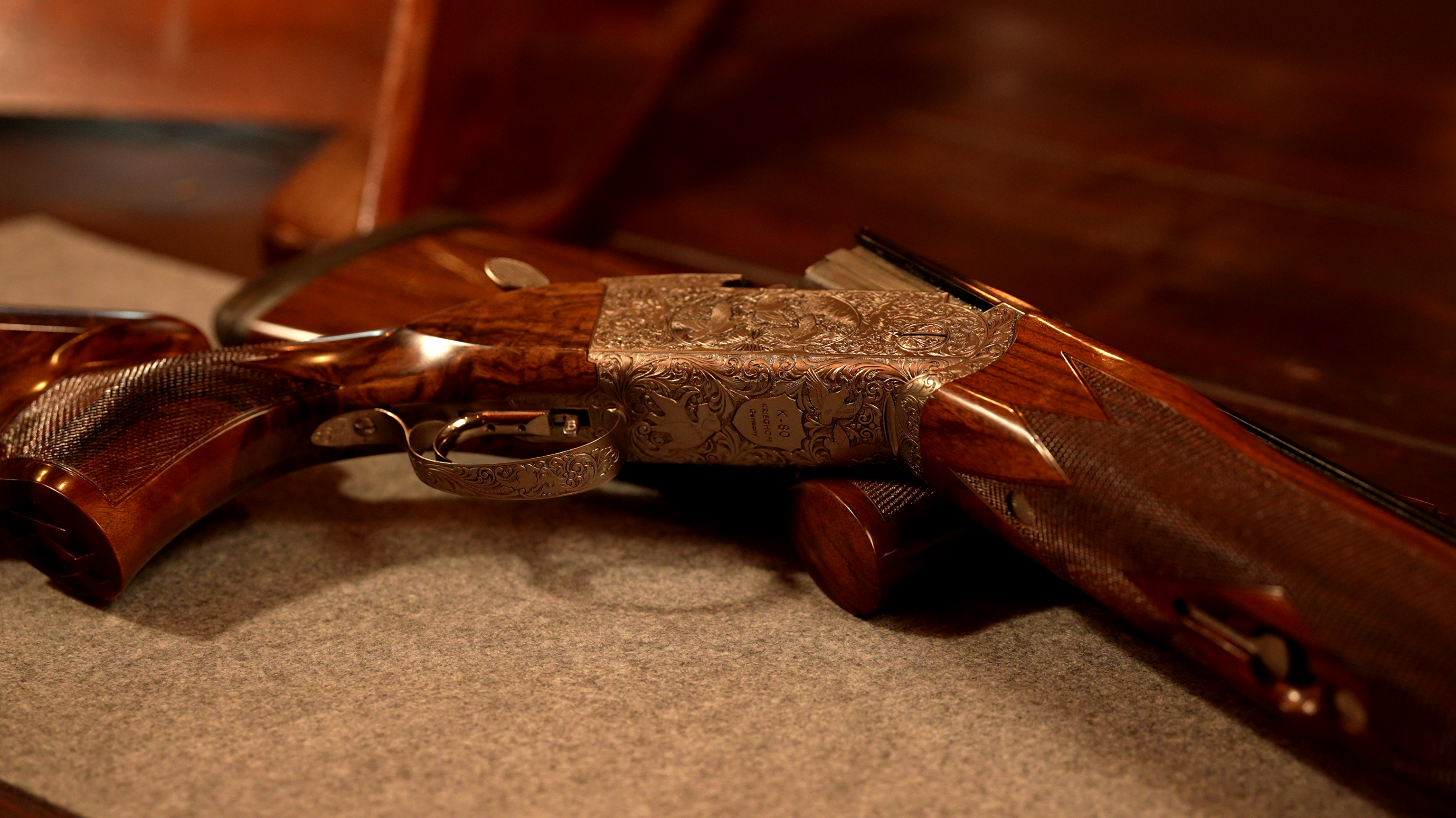
Each custom engraved Krieghoff shotgun is a masterpiece of craftsmanship, meticulously handcrafted by skilled artisans to the highest standards of excellence. From laser engraving, laser engraving with hand finish, or completely hand engraved, the craftsmanship behind the beautiful looks of a Krieghoff are unquestionable. From the intricate scrollwork adorning the receiver to the hand-finished wood of the stock, every detail reflects Krieghoff's commitment to quality and precision, resulting in a shotgun that is as aesthetically pleasing as it is functional.

           Another Amazing Youtube Video

Shotgun Options from Krieghoff

In addition to the iconic K-80 Sporter, Krieghoff offers a diverse range of shotgun options to cater to the varied preferences and needs of shooters. Let's explore some of the noteworthy choices available:


1. Krieghoff K-80 Pro Sporter

Crafted for the rigors of sporting clays and other clay target sports, the Krieghoff K-80 Pro Sporter offers versatility in a sleek package. Its adjustable comb and rib height allow shooters to customize their fit and sight picture, while its robust construction ensures reliability round after round. This makes the Pro Sporter vary ideal for shooters who either shoot multiple disciplines looking for an edge being able to shoot the same gun.


2. Krieghoff K-80 Parcours

The Krieghoff K-80 Parcours is designed for the field, combining lightweight maneuverability with the legendary performance of the K-80 platform. Whether pursuing upland game or navigating challenging terrain, the K-80 Parcours delivers exceptional handling and reliability, making it an ideal companion for hunters seeking adventure in the great outdoors. This is all besides its perfect use in competition of course. Designed for maneuverability, it excels in events like FITASC or for low-gun shooters in general. One of the lightest options available from Krieghoff, making it ideal for


3. Krieghoff K-20

Chambered in 20 gauge, the Krieghoff K-20 offers the same level of performance and versatility as its larger counterparts in a lighter package. Whether used for hunting or competition shooting, the K-20 provides reduced recoil and enhanced maneuverability without sacrificing the precision and reliability that Krieghoff shotguns are known for.

K80 Sporter Thumbnail Base Photo

Photo Credit: Jereme "JP" Tayamen

Conclusion

From its humble beginnings in the late 19th century to its position as a global leader in shotgun manufacturing, the journey of Krieghoff is a testament to the enduring legacy of excellence and innovation. With a commitment to quality craftsmanship and a relentless pursuit of perfection, Krieghoff continues to set the standard for excellence in the world of shotguns. Whether it's the iconic K-80, the legendary K-32, or one of their many other shotgun options, shooters can trust in the superior performance, reliability, and heritage of a Krieghoff shotgun, knowing that they wield a piece of history and a symbol of excellence in the realm of firearms.

Back to Articles Home
Videos by The Clay Lab Network
Podcasts by The Clay Lab Network

Maximizing Shooting Performance: The Art of Planning and Tapering in Sporting Clays

In the expansive world of firearms, Briley Manufacturing Company emerges as a beacon of precision, innovation, and quality. Established in 1976 by Jess Briley, this Texas-based enterprise has transformed from a modest machine shop into a global force in firearms accessories. Renowned for its commitment to precision and excellence, Briley has left an indelible mark on shotgun sports, supporting various disciplines such as trap, skeet, and sporting clays. In this comprehensive exploration, we will delve into the origins of Briley, examine some of its notable products, and focus specifically on the mastery behind their renowned choke tubes and tube sets.


Origins:


Briley Manufacturing's journey began in Houston, Texas, where Jess Briley founded a small machine shop in 1976. Jess Briley envisioned a company that would combine his expertise in machining with a commitment to quality craftsmanship. As Briley gained recognition for its precision and innovation, it expanded its product offerings to become a trusted name in the firearms industry.

The Science of Adaptation: Slow and Steady Wins the Race

Shooters often underestimate the timeline of physiological adaptation following a training session. Muscles rebuild, energy stores replenish, and genetic expression alters in response to the stresses imposed during practice. This process, known as recovery, underscores the importance of patience in training. While immediate gains may be elusive, the long-term dividends of structured rest and recovery are undeniable.


Akin to other sports that are more physically involved, research indicates that optimal recovery takes time, with significant losses in muscular and aerobic fitness observed only after several days of inactivity. For athletes preparing for grueling events like ultramarathons, the road to deep recovery may span weeks. Yet, striking a balance between rest and activity is imperative to ensure peak performance. If you don’t think shooters are athletes, ask your NSCA Veteran Concurrent Shooters how exhaustive shooting a 4 day event is vs a Junior. Although Sporting Clays shooters may not match the same description as other athletes, they face the same challenges but in different ways. Did you know your eyes take muscles to move them? How tired do your eyes get after a day or weekend of shooting?


The Art of Tapering: Fine-Tuning for Success

At the heart of peaking lies tapering - a strategic reduction in training load designed to enhance performance just in time for competition. Tapering is not merely about cutting back on mileage; it's a nuanced process that requires careful planning and adherence to key principles. Some professionals practice this while others tout massive amounts of shells leading up to a tournament. A safe comparison you may find is the student cramming before a test vs the someone putting in the work over a long period of time.


While the duration of tapering varies depending on the event's length and a shooter's conditioning, certain principles hold true across disciplines:


Endurance Base: A solid foundation of endurance training is essential to maximize the benefits of tapering. This is the 100 bird event practice keeping your mental and physical conditioning up to par for competition.

Taper Period: The optimal taper period typically ranges from a couple days for smaller events to up to a week or more before big events.

Training Frequency: While training frequency may be slightly reduced, intensity remains constant.

Training Volume: Reductions in training volume range from 50% to 95% as the competition gets closer.

Intensity: Maintaining high-intensity training preserves mental focus on making every bird count as they do in competition.

The Clay Lab Network Articles is Brought to You by

Avoiding Common Pitfalls: Timing is Everything

Despite the well-established benefits of tapering, many shooters may fall prey to the temptation of training hard until the eleventh hour. This approach can often backfire, leading to suboptimal performance due to inadequate recovery both mentally or physically. We are not machines, something will give eventually and it will either be your mental focus that you need for every target to count or your body it self when you gun starts to feel a bit “heavy”. Small hint, it’s not anymore heavy than when you started, it’s you.


Crafting a Long-Term Strategy: The Power of Periodization

Peaking isn't an isolated event; it's the culmination of a meticulously crafted training regimen rooted in periodization. Periodization involves systematically modulating training intensity and volume to achieve peak shooting performance at the desired time. Whether elite or recreational, shooters must integrate periods of rest and recovery into their training cycles to sustain long-term performance gains.


Tailoring the Taper: Event-Specific Considerations

Just as no two shooters are alike, no two tapering strategies are identical. The duration and intensity of tapering must align with the demands of the event. Longer events necessitate more extended taper periods to allow for full recovery and adaptation. Conversely, shorter events may require shorter, more intense tapering protocols. Understanding the unique demands of each discipline enables shooters to tailor their tapering strategies for maximum effectiveness.

                  The Latest Clay Lab Video

Conclusion: Mastering the Art of Peaking

In the pursuit of sporting clays excellence, success hinges not only on skill and determination but also on strategic planning and disciplined tapering. By embracing the rhythms of adaptation and adhering to proven tapering principles, shooters can unlock their full potential precisely when it counts. Whether standing on the precipice of a State Shoot or gearing up for the World Sporting Clays Championship, the art of peaking transforms aspirations into achievements, propelling athletes to the pinnacle of sporting success. If you don’t think Sporting Clays Shooters are Athletes, think again.

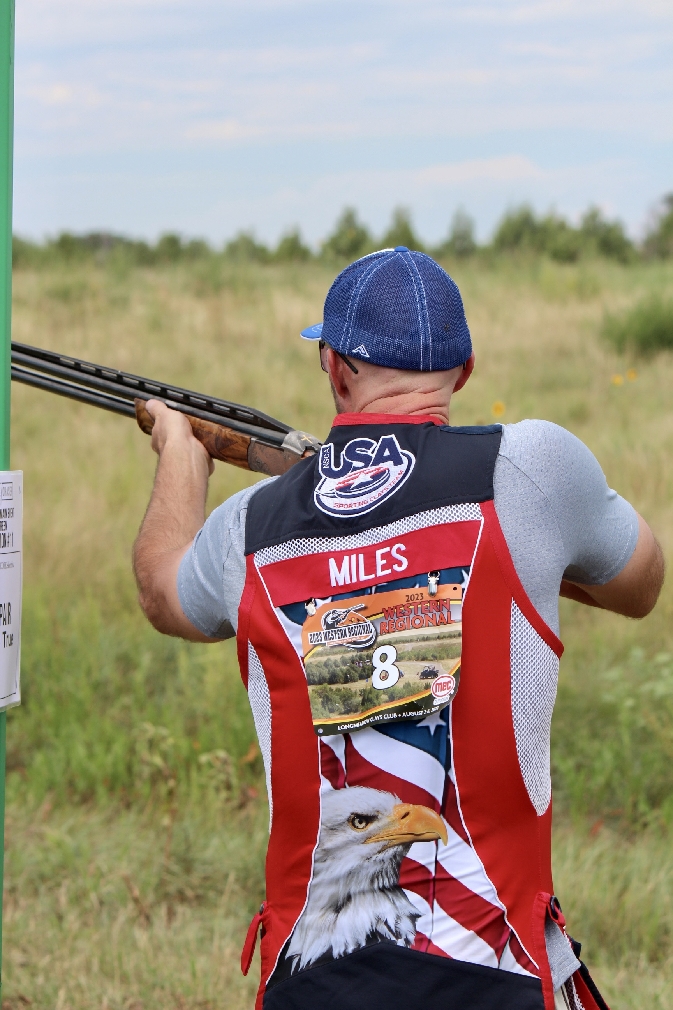
Gebben Miles

Photo Credit: Clay Target Nation

Back to Articles Home
Videos by The Clay Lab Network
Podcasts by The Clay Lab Network

Briley Manufacturing Company: A Comprehensive Exploration of Precision, Innovation, and Sporting Excellence in Firearms

In the expansive world of firearms, Briley Manufacturing Company emerges as a beacon of precision, innovation, and quality. Established in 1976 by Jess Briley, this Texas-based enterprise has transformed from a modest machine shop into a global force in firearms accessories. Renowned for its commitment to precision and excellence, Briley has left an indelible mark on shotgun sports, supporting various disciplines such as trap, skeet, and sporting clays. In this comprehensive exploration, we will delve into the origins of Briley, examine some of its notable products, and focus specifically on the mastery behind their renowned choke tubes and tube sets.


Origins:


Briley Manufacturing's journey began in Houston, Texas, where Jess Briley founded a small machine shop in 1976. Jess Briley envisioned a company that would combine his expertise in machining with a commitment to quality craftsmanship. As Briley gained recognition for its precision and innovation, it expanded its product offerings to become a trusted name in the firearms industry.

Jess Briley embarked on a transformative journey in the shotgun equipment market, driven by a conviction that there was a superior and distinctive approach to be explored. As a machinist and seasoned oil field veteran, Jess's unique perspective went beyond conventional metalwork – he approached the craft as both a practitioner and a shooter. Drawing upon his inquisitive nature cultivated during his student days at U.T., Jess, in collaboration with his son-in-law Cliff Moller, conceptualized the renowned Briley screw-in choke system and the equally celebrated Briley sub-gauge tube set. This innovative initiative quickly gained traction, capturing the loyalty of U.S. skeet shooters and subsequently expanding its influence to trap and sporting clays enthusiasts. Unfazed by initial success, Jess and Cliff remained discontent with the status quo. The reputation of Briley chokes and tube sets for quality and performance fueled the company's commitment to imagination, innovation, and technical excellence. What began as a two-person endeavor burgeoned into an enterprise boasting over 80 skilled machinists, technicians, and support personnel. The driving force behind Briley's success remains their perpetual pursuit of a better, different way to enhance shooting experiences by delivering superior products.

                  The Latest Clay Lab Video

Product Examples:


While Briley Manufacturing offers a diverse range of products, its shotgun accessories, particularly choke tubes and tube sets, have become synonymous with the company's commitment to quality. Let's explore the intricacies of Briley's choke tubes, tube sets, and their impact on various shooting sports.


Briley's Choke Tubes: Precision Perfected


At the core of Briley's success lies its exceptional choke tubes. These devices, installed at the muzzle end of a shotgun barrel, play a pivotal role in shaping the spread of shot pellets. Briley's choke tubes are distinguished by their precision machining, utilizing high-quality materials to ensure durability and consistent performance.


Spectrum Series Choke Tubes:

Among Briley's notable offerings is the Spectrum Series choke tubes. Designed with a unique conical shape, these tubes are engineered for optimal shot distribution, catering to the specific needs of competitive shooters. The Spectrum Series is available in various constriction options, providing shooters with a level of customization that enhances performance in different scenarios.


Helix Choke Tubes:

A groundbreaking innovation from Briley is the Helix choke design. The Helix incorporates helical grooves on the inside of the choke tube, a feature that effectively controls shot pattern and reduces recoil. This design breakthrough has garnered praise for providing shooters with tighter, more uniform patterns, ultimately enhancing accuracy and overall performance. The Helix choke is a testament to Briley's commitment to pushing the boundaries of choke tube technology.


Customization for Every Shooter:


One of the key strengths of Briley's choke tubes is the emphasis on customization. Shooters can choose from a variety of materials, finishes, and constriction options to tailor their choke tubes to specific shooting scenarios. This level of customization ensures that whether engaged in trap shooting, skeet, or sporting clays, every shooter can find the perfect choke solution for their needs.

The Clay Lab Network Articles is Brought to You by

Briley's Tube Sets: A Complete Solution


In addition to individual choke tubes, Briley Manufacturing offers tube sets, providing shooters with a comprehensive solution for multiple shooting scenarios. These tube sets are meticulously crafted to meet the demands of various disciplines, offering versatility and adaptability.


Fitted and Companion Drop-In Sub-Gauge Tube Sets:

For those who enjoy shooting sub-gauge shotguns, Briley offers tube sets tailored to specific bore sizes. These sets typically include a variety of fitted or Drop-In tube sets which have changeable chokes to cover diverse shooting scenarios. The primary reason this provides a huge benefit to the shooter is that it allows a shooter to compete in multiple gauge events utilizing the same gun with the same ergonomics. The advantages that a shooter using Briley tube sets has against someone switching guns are very apparent. Shooters can easily interchange the chokes within the set to match the requirements of specific events, providing a versatile solution for those engaged in skeet or sporting clays. Whether it's a 20-gauge, 28-gauge, or .410 bore, these tube sets provide the same level of precision and customization. Sub-gauge tube sets are particularly popular among competitive shooters who appreciate the flexibility of using different bore sizes within a single shotgun platform.


New Clay Lab Merchandise

Support Briley Provides to Clay Target Shooting Disciplines:


Briley Manufacturing actively supports and participates in various clay target shooting disciplines, reinforcing its commitment to advancing the sport. The company's involvement goes beyond manufacturing products; it includes sponsorship of events and organizations dedicated to trap, skeet, and sporting clays. Examples of events sponsored by Briley Manufacturing include:


National Trap Shooting Championships:

Briley Manufacturing proudly sponsors the National Trap Shooting Championships, an event that brings together top trap shooters from across the country. This sponsorship reflects Briley's dedication to supporting the pinnacle of trap shooting competition and fostering excellence in the discipline.


Skeet Shooting Tournaments:

Briley is a consistent supporter of major skeet shooting tournaments, contributing to the growth and development of the sport. The company's sponsorship extends to events that showcase the skill and precision required in skeet shooting.


Sporting Clays Competitions:

As a key advocate for sporting clays, Briley sponsors major competitions that highlight the dynamic and challenging nature of the discipline. These sponsorships contribute to the success of sporting clays events and underscore Briley's commitment to the diverse world of clay target shooting.

JPT00387

Photo Credit: Jereme P. Tayamen

Conclusion:


Briley Manufacturing Company's evolution from a modest machine shop to a global leader in firearms accessories is a testament to the vision and expertise of its founders. The company's impact on shotgun sports extends beyond products to active support and participation in various shooting disciplines.

Back to Articles Home
Videos by The Clay Lab Network
Podcasts by The Clay Lab Network

Mastering the Art of Sporting Clays: Unveiling the Impact of Trap Style Targets

Sporting clays, demands a unique set of skills to conquer its dynamic challenges. In the pursuit of mastery, one thing shooters should embrace is trap style targets to enhance their game. This comprehensive guide explores the profound impact of incorporating trap style targets into your training regimen, delving into the nuances of their presentation, the frequency at smaller stations, and a recommended technique on how best to practice on a trap field.


The Essence of Trap Style Targets


1. Understanding Trap Style Targets

Trap style targets simulate real-world scenarios encountered in sporting clays, offering a mix of speed, trajectory, and unpredictability when shooting the game of Trap. Delving into the essence of these targets provides shooters with a deeper appreciation for the challenges they pose and the unique advantages they bring to the training ground when shooting sporting clays. Thankfully, in the game of sporting clays, we get a chance to get rid of one of the unknown variables; we know the angle/trajectory as we see it in the show pairs.


2. Analyzing Flight Characteristics

Breaking down the flight characteristics of trap style targets, we explore the nuances that make them a vital component of a shooter's skill development. From straight away target presentations to strong quartering angles, understanding these elements lays the foundation for strategic practice and improved performance. This emphasizes the importance of maximizing your time during show pairs. Don’t waste your opportunity to visualize the targets flight path and to develop a plan to take the bird where it stops being a comet streak. Not a moment sooner and not a moment later.

The Efficiency of Space Utilization


1. Small Stations, Big Impact

At smaller stations, where space is a premium, trap style targets shine. Their efficiency in space utilization makes them a common sight, providing shooters with frequent opportunities for practice. Clubs will always maximize the space they have available to them. It is not unlikely that an experienced shoot can walk up to a station and immediately know what types of targets are likely to be thrown based only on the terrain in wooded areas. Due to the space savings ability, trap style targets allow clubs to squeeze in an additional station here and there meaning they become more prevalent. Knowing how often they occur in a small or large tournament, there is no reason why shooters shouldn’t seek to master these presentations.


2. The Psychological Edge

The repetitive nature of trap style targets at smaller stations offers a psychological edge to shooters. Unraveling the psychology behind facing these targets frequently enhances a shooter's mental resilience, focus, and adaptability – crucial elements in the pursuit of excellence in sporting clays.

The Clay Lab Network Articles is Brought to You by

Maximizing Frequency for Skill Development


1. Repetition and Muscle Memory

The mantra of "practice makes perfect" resonates strongly in the world of sporting clays. This section explores the relationship between the increased frequency of trap style target presentations and the development of muscle memory. How do shooters benefit from this repetition, and what role does muscle memory play in achieving consistent performance?


2. Reaction Time Refinement

A key advantage of practicing with trap style targets is the opportunity to refine or tune “reaction times”. If the shooter truly believes in making seeing the target the most important thing in the game, then a shooter can easily get an understanding of how in tune they are with that days competition. Warming up on trap targets at a competition can provide the shooter with so much information about how well their body and mind are processing information. If a shooter can identify that they are on par with their ability that day for trap targets, then it may allow them to accept more risk during something like a true pair. If they are lagging visually for any reason, a more methodical approach to shooting the target may be in order. This is a skill crucial for success in sporting clays.

New Clay Lab Merchandise

Targeted Training with Locked Traps on a Trap Field


1. The Importance of Quartering Presentations

Quartering Presentations pose a unique challenge in sporting clays, requiring a specialized skill set. This section highlights the significance of mastering quartering angles and the impact it can have on a shooter's overall performance.


2. Techniques for Locking Traps

As much as I’m sure a trap shooter would dislike the field not being “used properly”, many clubs are happy to sell targets supporting a shooter that may never have visited otherwise since they do not throw sporting target presentations. Ask the staff to disable the oscillator controlling the trap. This will allow you to use one trap for numerous angles as you now practice different known presentations by moving around the locked trap. This is a simple way to utilize and support a Trap Club to benefit your sporting game. Shooters can implement this training tool to either ease travel requirements, reduce costs, or get a quick “tune up” prior to a competition.

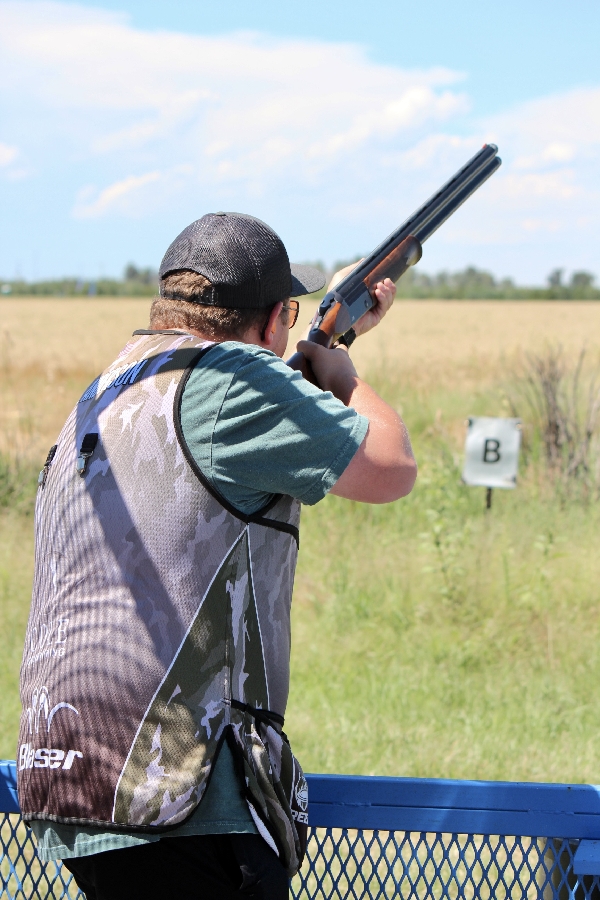
Willie Anderson

Photo Credit: Clay Target Nation

Conclusion:

In conclusion, mastering the art of sporting clays involves a huge amount of work and understanding of the fundamentals. A strategic embrace of trap style targets can take a shooter a long way as they start shooting this game or continue to hone their skill set. One important thing to remember is that no one is too good to practice trap style targets. From taking advantage of the show pairs to leveraging the efficiency of space at smaller stations, and refining skills through increased frequency and targeted training with locked traps, shooters can embark on a journey toward excellence. This comprehensive guide equips enthusiasts with the knowledge and insights needed to unlock the full potential of trap style targets in their pursuit of sporting clays mastery.

Back to Articles Home
Videos by The Clay Lab Network
Podcasts by The Clay Lab Network

Exploring the World of Clay Target Shooting: Trap, Skeet, and Sporting Clays

Clay target shooting is a thrilling and dynamic sport that challenges both beginners and seasoned shooters alike. Among the various disciplines within this sport, trap, skeet, and sporting clays stand out as popular choices for enthusiasts seeking diverse challenges. In this article, we will delve into the intricacies of each discipline, exploring their similarities, differences, and the benefits of cross-training to enhance overall shooting proficiency.


Trap Shooting


Trap shooting is a classic and traditional clay target discipline that originated in the late 18th century. In trap shooting, participants stand behind a single machine that throws clay targets away from them at varying angles, speeds, and elevations. These targets, known as "birds," follow a consistent arc, challenging shooters to anticipate their trajectory and aim with precision.


Similarities with Other Disciplines


Shotguns: All three disciplines—trap, skeet, and sporting clays—utilize shotguns. This commonality ensures that enthusiasts can enjoy the flexibility of transitioning between the disciplines without having to invest in additional firearms.


Focus on Hand-Eye Coordination: Each discipline emphasizes the development of hand-eye coordination. Shooters must swiftly track and target the flying clays, enhancing their reflexes and concentration.


Differences


Target Presentation: In trap shooting, the targets are launched away from the shooter at a fixed angle. This makes trap shooting ideal for honing consistency and mastering the predictability of target trajectories.


Stationary Position: Trap shooters typically remain in one position, focusing solely on their ability to read the targets. This static nature distinguishes trap shooting from the more dynamic skeet and sporting clays disciplines.

                  The Latest Clay Lab Video

Skeet Shooting


Skeet shooting evolved in the early 20th century as a response to the desire for a more dynamic and challenging clay target discipline. Skeet involves a course with two machines situated on opposite sides, throwing targets in crossing paths. Shooters move through a semi-circular arrangement of shooting stations, engaging targets from varying angles and distances.


Similarities with Other Disciplines


Movement and Gun Handling: Skeet shooting introduces lateral movement, requiring shooters to pivot and address targets from different positions. This shared emphasis on movement with sporting clays makes these two disciplines more dynamic than trap shooting.


Varied Shooting Angles: Like sporting clays, skeet shooting presents targets from different angles and distances, contributing to a more unpredictable shooting experience.


Differences


Fixed Trajectories: While skeet offers a variety of target angles, the trajectories remain consistent, with targets flying in a fixed path. This differs from sporting clays, where target trajectories are more varied and unpredictable.


Structured Course Layout: Skeet courses are laid out in a standardized pattern, with shooters moving between specific stations. This structured approach contrasts with the more natural and varied settings of sporting clays courses.

The Clay Lab Network Articles is Brought to You by

Sporting Clays


Sporting clays, often referred to as "golf with a shotgun," is the most versatile and unpredictable of the three disciplines. Originating in England in the early 20th century, sporting clays simulates hunting scenarios by presenting a wide array of targets, mimicking the flight patterns of game birds.


Similarities with Other Disciplines


Shotguns and Ammunition: Sporting clays, like trap and skeet, employs shotguns and ammunition. This commonality allows shooters to easily transition between these disciplines without the need for specialized equipment.


Focus on Precision: Precision remains a crucial aspect of sporting clays, as shooters must adapt to various target trajectories and distances, much like in trap and skeet shooting.


Differences


Varied Trajectories: Sporting clays offers the most diverse array of target trajectories, including incomers, outgoers, crossers, and more. This variability closely mirrors the unpredictability of real hunting scenarios, setting it apart from trap and skeet.


Natural Course Setting: Sporting clays courses are designed to mimic natural environments, providing a setting that closely resembles hunting conditions. This differs from the more controlled settings of trap and skeet ranges.

New Clay Lab Merchandise

Cross-Training Benefits


Cross-training across trap, skeet, and sporting clays can significantly enhance a shooter's overall skill set. By embracing the unique challenges presented by each discipline, enthusiasts can develop a well-rounded proficiency that translates into improved performance in various shooting scenarios.


Adaptability: Trap shooters, with their focus on consistent target presentation, can benefit from the adaptability and dynamic movement introduced by skeet and sporting clays. Learning to adjust to varied trajectories and shooting angles enhances a shooter's ability to handle unpredictable scenarios.


Versatility: Skeet shooters, accustomed to lateral movement and crossing targets, can refine their skills by engaging with the more diverse challenges posed by sporting clays. The ability to tackle a broad range of target presentations hones a shooter's versatility, making them more effective in different shooting environments.


Realism: Sporting clays enthusiasts, already exposed to the natural and unpredictable course settings, can enhance their precision by refining their skills in trap and skeet shooting. The more controlled environments of trap and skeet provide an opportunity for shooters to focus on specific aspects of their technique, improving overall accuracy in a controlled setting.

The Clay Lab Network Articles Button

Conclusion


In the world of clay target shooting, trap, skeet, and sporting clays offer enthusiasts unique challenges and experiences. While each discipline has its distinct characteristics, they share common elements such as the use of shotguns and a focus on hand-eye coordination. By cross-training across these disciplines, shooters can harness the strengths of each, resulting in a well-rounded skill set that adapts to the varied demands of different shooting scenarios.


Whether you prefer the precision of trap shooting, the dynamic movement of skeet, or the unpredictable challenges of sporting clays, the key to mastery lies in embracing the diversity of these clay target disciplines. So, load your shotgun, hit the range, and explore the exciting world of clay target shooting!

Comment below some of the comparison items we missed. What else do the clay target sports share in common or how are they different. comment Below!

Back to Articles Home
Videos by The Clay Lab Network
Podcasts by The Clay Lab Network