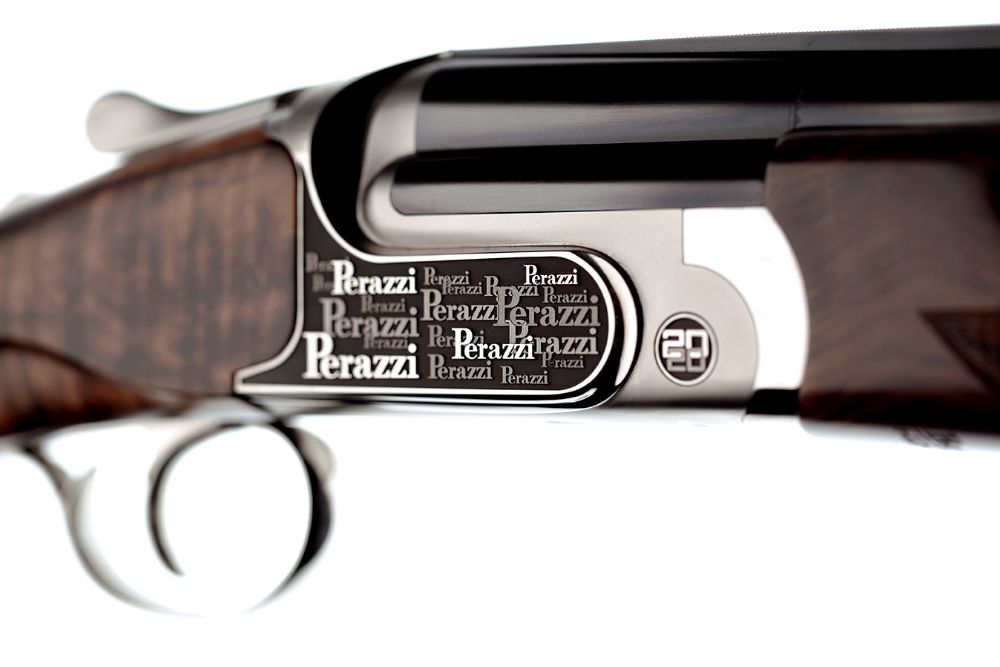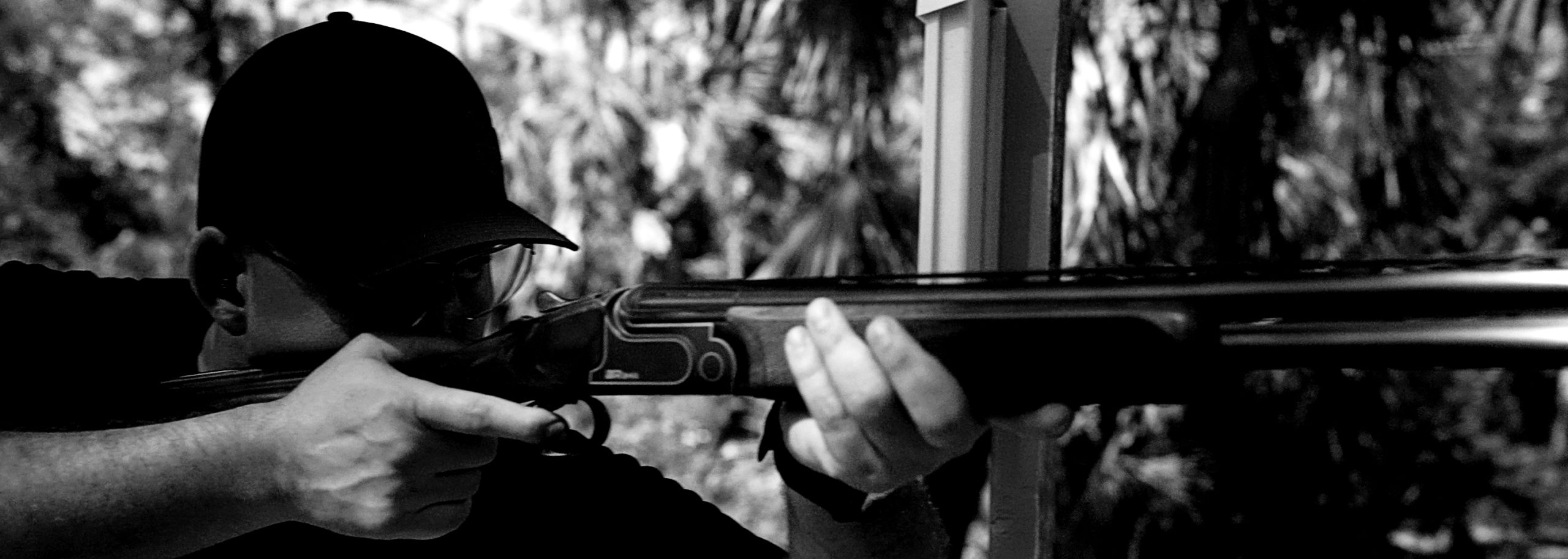

Over the past decade, sub-gauge events in competitive shotgun sports have experienced a remarkable surge in popularity, captivating a growing number of shooters who appreciate the added challenge and technical demands of shooting smaller-gauge firearms like the 20-gauge, 28-gauge, and .410 bore. Theseevents, now common fixtures in disciplines such as skeet, sporting clays, and upland-inspired competitions, are more than just a fun diversion. They require a deep understanding of ballistics, recoil management, shot pattern behavior, and precise gun handling.
Competing with sub-gauge shotguns isn’t simply a matter of picking up a lighter gun and shooting smaller shells—it’s an entirely different mindset. It's about adapting your technique, approach, and expectations. These smaller gauges bring reduced shot payloads, altered recoil characteristics, and in many cases, tighter and more challenging shot patterns. For serious competitors, mastering sub-gauge events can be a rewarding pursuit, but they are not without their own set of complications and hurdles. Many top shooters turn to high-performing platforms like the Krieghoff K-20 Sporting or Perazzi MX28 to give themselves the best chance at consistent success across events.


Why Sub-Gauge Is Gaining Ground
The appeal of sub-gauge events is multi-faceted. First and foremost, many shooters are drawn to the elevated difficulty. The lower pellet counts and tighter shot patterns demand more precise shot placement. Where a 12-gauge shell may provide a forgiving spread at distance, a .410 or 28-gauge shell might not be nearly as generous, especially on longer targets or challenging presentations. That built-in challenge fuels a competitive fire in many shooters. It becomes a badge of honor to break targets consistently with a gauge that demands almost surgical precision. Guns like the Perazzi MX410 embody that philosophy—offering competition-level accuracy with the ultra-light .410 bore.
Reduced recoil is another compelling reason shooters turn to sub-gauge events. With lighter payloads and smaller cartridge sizes, sub-gauge shotguns often produce less perceived recoil. For some shooters—especially youth, seniors, or those recovering from injury—this can make a long day on the range much more enjoyable and manageable. It also reduces fatigue and flinching over multiple rounds, potentially improving overall performance. The Beretta 687 Silver Pigeon III Field, available in sub-gauge configurations, is a favorite among those who want a soft-shooting platform without sacrificing elegance or reliability.

Additionally, sub-gauge events are frequently featured in national and regional competitions hosted by the National Skeet Shooting Association (NSSA) and National Sporting Clays Association (NSCA). As of the NSSA’s 2022 Annual Report, participation in sub-gauge events has increased by over 40% in the last ten years, showing that more shooters are either adding these events to their schedules or focusing exclusively on them.
For hunters, sub-gauge shooting often feels more “real” or practical. The
smaller gauges replicate the conditions and limitations encountered in the
field when pursuing upland game such as quail, grouse, or woodcock. Practicing
and competing with these guns provides crossover benefits—enhancing field
skills while staying sharp during the off-season. Options like the Beretta
687 EELL, prized for its exquisite handling and responsiveness in 20- and
28-gauge, transition effortlessly from field to competition.

The Challenges of Going Small
As rewarding as sub-gauge shooting can be, it undeniably introduces a number of additional challenges, especially for those used to the relatively forgiving nature of 12-gauge shotguns. For one, the physics of the ammunition itself work against you. A standard 12-gauge shell might carry 1-1/8 ounces of shot—enough to produce a generous, dense pattern. By contrast, a 28-gauge shell typically carries just 3/4 of an ounce, and a .410 bore shell often holds as little as 1/2 to 11/16 ounces.
This lower pellet count translates to fewer opportunities to hit a target—particularly on crossing, fast-moving, or long-distance presentations. The reduced muzzle velocity common in many sub-gauge loads also means that shooters must pay closer attention to lead, shot timing, and movement anticipation. Targets that would be crushed by a forgiving 12-gauge spread may be missed entirely with a 28 or .410 unless shot placement is spot-on.
Moreover, while many people assume that sub-gauge guns always kick less, that’s not universally true. Due to their lightweight design, some sub-gauge guns can actually produce sharper felt recoil despite lower overall energy. When high-velocity shells are introduced in lightweight frames, the reduced mass of the shotgun fails to absorb the energy, which can catch shooters off guard and even cause fatigue or soreness over time. That’s where shotguns like the Krieghoff K-20 Parcours shine—it balances weight and recoil absorption remarkably well for a sub-gauge competition gun, making it a favorite for extended sporting clays sessions.


Training for Sub-Gauge Success
To perform well with sub-gauge firearms, shooters must double down on
fundamentals. There’s simply less room for error. Gun mount, foot position, and
swing mechanics need to be consistent and refined. Sub-gauge shooting rewards a
balanced stance and smooth, efficient movements—any rushed or jerky action is
likely to throw the shot wide of the mark.
Pattern testing becomes especially important with sub-gauge guns. Shooters should routinely test their guns and loads at distances like 20, 30, and 40 yards to better understand how their shot behaves. This data is essential in making informed decisions about choke selection, load choice, and engagement strategy. As Don Currie, chief instructor of the NSCA, wisely points out, “Pattern testing is essential for sub-gauge success. Without it, you’re relying on guesswork.”
Many shooters also incorporate training aids like sub-gauge tube sets into their 12-gauge frames. These allow a shooter to mimic the experience of shooting sub-gauge loads while using their familiar competition shotgun. The weight and balance of the 12-gauge stock help maintain ergonomics, making the transition smoother. It’s also a cost-effective way to practice sub-gauge shooting without investing in an entirely new firearm.
Some drills that particularly benefit sub-gauge shooters include high
repetition crossing shots, hold-point discipline, and target tracking
exercises. These build muscle memory and reinforce repeatable
movements—critical when each shot counts more than ever. For those ready to
train with purpose-built sub-gauge equipment, models like the Zoli Z-Sport
Silver and the premium Beretta SL3 offer refined craftsmanship with
outstanding balance and consistency across 20 and 28-gauge formats.

A Word on Equipment and Adaptation
Success in sub-gauge shooting often hinges on selecting the right equipment—and tuning it to fit the shooter’s body and style. Lightweight guns can be a blessing or a curse, depending on how they handle. Some shooters add barrel weights or use aftermarket recoil pads to help manage balance and felt recoil. Adjustable combs, stock extensions, and precision-fit chokes can all help a shooter get the most out of their gear.
Gauge-specific characteristics also influence performance. The 20-gauge is widely regarded as the easiest transition from the 12-gauge. It delivers moderate recoil, decent shot capacity, and familiar ballistics. The 28-gauge, while more challenging, still maintains enough shot density to be effective and is especially popular among competitive sporting clays shooters who enjoy a lightweight yet capable gun. The Beretta SL3, for example, is praised not just for its aesthetics, but for its excellent handling in smaller gauges. The .410, on the other hand, is an entirely different beast—unforgiving, demanding near-perfect form and shot timing. For that reason, it's often seen as the ultimate test of a shooter’s control, requiring pinpoint accuracy and razor-sharp reflexes.
The Clay Lab Network Articles is Brought to You by

But Let’s Be Real—12-Gauge Still Reigns
Despite the allure of sub-gauge events, it’s crucial to acknowledge one truth: the 12-gauge is still king in competitive clay shooting, especially at the upper levels. Most top-tier competitors—from sporting clays to FITASC to five-stand—spend the majority of their time shooting and mastering the 12-gauge. It remains the most versatile, most accessible, and most prevalent gauge in competition.
The reality is that at nearly every major event—be it the U.S. Open, World FITASC, or National Sporting Clays Championship—there are more than enough 12-gauge events on the program to keep a shooter busy for the entire competition. You could attend a major shoot and focus solely on 12-gauge events, skip the sub-gauge options entirely, and still be completely fulfilled both competitively and recreationally.
More importantly, mastering the 12-gauge builds the core foundation of your shooting skills. It’s the benchmark. Every other gauge should be considered a variation or extension—not a replacement—for what you learn with the 12. If you want to stand on the podium, especially at the professional level, you’ll need to be competitive in the 12-gauge main events.
That said, the temptation to jump headfirst into sub-gauge competition is
real. It’s fun. It’s technically demanding. And it gives shooters a sense of
specialization—like mastering a niche weapon in a larger arsenal. But as
enjoyable as they are, sub-gauge events should supplement, not substitute, your
12-gauge training and competition.


It’s About the Fun, Too
All that being said, this sport is fundamentally about enjoyment. If sub-gauge events are what bring you joy—whether it’s the unique challenge, the lighter recoil, or the style of shooting they require—then by all means, embrace them wholeheartedly. Every shooter brings a different set of goals, motivations, and preferences to the field. Not everyone is gunning for the podium. Some are there to unwind, enjoy the outdoors, and sharpen their skills in new and interesting ways.
So if sub-gauge events are your thing, more power to you. That’s one of
the best parts about shotgun sports—you can tailor your experience to your
personal goals. Whether you're a .410 perfectionist with a Perazzi MX410,
a 28-gauge loyalist with a K-20 Sporting, or a 20-gauge upland
traditionalist carrying a Beretta 687 EELL, there’s room for you here.

Final Thoughts
Sub-gauge events offer a rich and rewarding layer of complexity to shotgun sports. They demand precision, control, and strategy, offering shooters a new way to test their skills and enjoy the sport. But they also introduce challenges that shouldn’t be underestimated—less forgiving shot patterns, reduced pellet counts, and gear-specific nuances that can throw off even experienced shooters.
At the same time, it's important to remember the foundation of
competitive shooting lies in mastering the 12-gauge. It's where the competition
is fiercest, the prizes are richest, and the standards are highest. As fun and
rewarding as sub-gauge shooting is, it shouldn't come at the expense of
neglecting the core events that define the sport.
In the end, whether you’re chasing a championship title or simply trying
to crush a few clays with friends, find what fuels your passion and pursue it.
If that's .410 bore and a tight skeet field, great. If it's 12-gauge on a
wide-open sporting clays course, even better. This sport is big enough for all
of it.