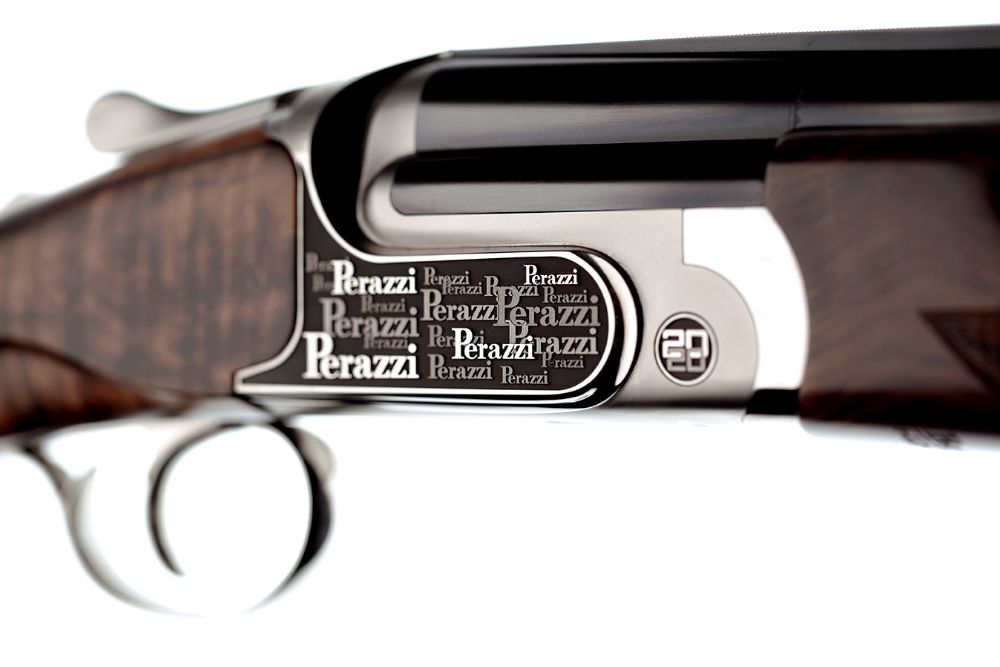


Choosing the right shotgun is one of the most significant decisions a shooter can make. Whether your passion is sporting clays, skeet, or trap, your shotgun becomes an extension of yourself, influencing not just your performance but also your enjoyment of the sport. With premium shotguns like the Beretta DT-11, Beretta SL2, Krieghoff K-80, Perazzi models, Caesar Guerini Invictus line, Blaser F3 and many others, the decision carries a hefty financial investment. For many shooters, this choice represents a step toward long-term success in their shooting career.
But how do you ensure you’re buying the shotgun that’s right
for you? The answer lies in a vital part of the buying process: trying
before you buy.


Photo Credit: Krieghoff Int, Parazzi, Caesar Guerini, Beretta USA, & Blaser
Why Demoing a Shotgun Matters
Every shooter is different, with unique physical dimensions,
shooting styles, and preferences. What works beautifully for one shooter may
not suit another at all. Even among premium shotguns renowned for their
quality, reliability, and craftsmanship, small differences in weight, balance,
grip shape, and stock dimensions can make or break your fit and comfort.
Demoing a shotgun gives you the chance to test these
elements. It’s your opportunity to assess how a particular model performs for
your body and shooting style—not just for others. Many shooters have learned
this the hard way, investing thousands of dollars in a shotgun they admired for
its reputation, only to discover it wasn’t a good match.


Photo Credit: Krieghoff Int, Parazzi, Caesar Guerini, Beretta USA, & Blaser
The "Value vs. Cost" Equation
Premium shotguns come with premium price tags, but their value extends beyond the initial purchase. When evaluating "value vs. cost," consider factors such as:
- Reliability: High-end shotguns like the Beretta DT-11 and Krieghoff K-80 are engineered to withstand the rigors of competitive shooting. Their reputations for flawless performance under pressure are well-earned.
- Durability: These shotguns are built to last, with robust materials and meticulous craftsmanship that ensure they endure thousands (if not hundreds of thousands) of rounds. Some will lean towards the brands that stem from serious German Engineering while other will side with the Italian way design. All good in their own rights but they ALL BREAK, so the matter of the question is who will back their product with great service. Something very important to consider.
- Serviceability:
Brands like Krieghoff and Caesar Guerini are exceptionally known for
excellent service options, including readily available parts and skilled
technicians for maintenance and repairs.
- Quality
of Experience: A premium shotgun’s balance, trigger feel, and reduced
recoil can significantly enhance your enjoyment of the sport like that off
a lot of the premium brands. Shotguns known for their exceptional trigger
feel like Perazzi and Krieghoff. Some shotguns are known for their smooth
lock-up feel like a Beretta or Caesar Guerini.
Demoing a shotgun allows you to evaluate these qualities in
real time. Does the shotgun swing smoothly for you? Does the recoil feel
manageable? Do you like the trigger's responsiveness? These are questions only
a hands-on trial can answer.
The Clay Lab Network Articles is Brought to You by

How to Demo a Shotgun
Fortunately, many manufacturers and dealers understand the importance of demoing and offer opportunities to try their shotguns before purchase. Some key steps to consider:
- Visit
Demo Days: Many premium brands host demo days at clubs and events,
bringing a range of models for shooters to try. This is a fantastic
opportunity to test several shotguns side-by-side.
- Work
with Dealers: Reputable dealers often have demo guns available. Reach
out to local dealers who specialize in brands you’re interested in, and
inquire about demo availability.
- Borrow
from Friends: If you know someone who owns a shotgun you’re
considering, ask if you can shoot a few rounds with it. Adjusting the comb
on their shotgun to better fit you can provide a valuable sense of how the
model feels in action. Be cautious of bias as it may be right for them but
not necessarily you.
- Consult
a Professional: A knowledgeable shooting coach or professional shooter
can help you assess whether a shotgun suits you. They can also suggest
adjustments or modifications to enhance fit.


Photo Credit: Krieghoff Int, Parazzi, Caesar Guerini, Beretta USA, & Blaser
The Importance of Proper Fit
Even the most renowned shotgun is only as good as its fit to the shooter. A poor fit can lead to missed targets, frustration, and even physical discomfort. Demoing a shotgun helps you evaluate its fit, but don’t stop there. Many premium brands offer adjustable features, such as comb height and cast, allowing you to tailor the shotgun to your measurements.
For shooters who are serious about the sport, a custom-fitted stock is the ultimate investment. Craftsmen like Jim Greenwood of Greenwood Custom Stocks and Rich Cole of Cole Gunsmithing & Fine Guns are masters in creating stocks that perfectly match a shooter’s dimensions and preferences. A custom stock can elevate a premium shotgun to its full potential, ensuring consistent performance and comfort. If you don’t think a custom stock can make a difference then you more than likely haven’t had one made. That applies to all aspects of like, custom is better…however, doesn’t mean you absolutely have to have it to be successful, it just expedites the journey to success.


Photo Credit: Krieghoff Int, Parazzi, Caesar Guerini, Beretta USA, & Blaser
Avoiding Costly Mistakes
A premium shotgun is a significant investment, often costing $8,000 or more. Choosing the wrong one can be a costly mistake—not just financially, but also in terms of your shooting experience. Some common pitfalls include:
- Buying
Based on Reputation Alone: Just because a shotgun is highly regarded
doesn’t mean it’s right for you. A Krieghoff K-80 might be perfect for one
shooter, while another might feel more comfortable with a Beretta SL2 or
Blaser F3.
- Rushing
the Decision: It’s tempting to buy a shotgun you’ve admired for years,
but taking the time to demo it can save you from buyer’s remorse.
- Ignoring
Fit Issues: If a shotgun doesn’t feel right during a demo, it’s
unlikely to magically feel better over time. Trust your instincts and
explore other options.


Photo Credit: Krieghoff Int, Parazzi, Caesar Guerini, Beretta USA, & Blaser
The Long-Term View: Investment in Your Shooting Career
For many clay target shooters, a premium shotgun is more
than just a tool—it’s an investment in their passion and progress. These
shotguns are designed to support your growth as a shooter, with features that
enhance consistency, reliability, and performance. The durability and
serviceability of your brand of choice to ensure that your investment can last
a lifetime, especially with proper care and maintenance.
Moreover, owning a shotgun that feels like an extension of yourself can improve your confidence and focus on the field, enabling you to reach new levels in your shooting career.


Photo Credit: Krieghoff Int, Parazzi, Caesar Guerini, Beretta USA, & Blaser
The Takeaway
Choosing the right shotgun for sporting clays, skeet, or
trap is a deeply personal decision. Demoing a shotgun before purchasing allows
you to make an informed choice based on firsthand experience. It’s an
opportunity to explore how a premium model feels in your hands, how it performs
on the range, and whether it aligns with your needs and goals.
Take the time to try multiple models, consult experts, and,
if possible, invest in a custom-fitted stock. By doing so, you can avoid costly
mistakes and ensure your shotgun is a true partner in your shooting journey.
From Beretta to Krieghoff, Perazzi to Blaser, these brands offer extraordinary
tools—but the final decision should always come down to what’s right for you.