The Clay Lab Videos Podcasts & Articles Banner

The Rise of Sub-Gauge in Competitive Sporting Clays—and Why 12-Gauge Still Matters

Rise of Sub-Gauge - The Clay Lab Network Articles Cover B&W

Over the past decade, sub-gauge events in competitive shotgun sports have experienced a remarkable surge in popularity, captivating a growing number of shooters who appreciate the added challenge and technical demands of shooting smaller-gauge firearms like the 20-gauge, 28-gauge, and .410 bore. Theseevents, now common fixtures in disciplines such as skeet, sporting clays, and upland-inspired competitions, are more than just a fun diversion. They require a deep understanding of ballistics, recoil management, shot pattern behavior, and precise gun handling.

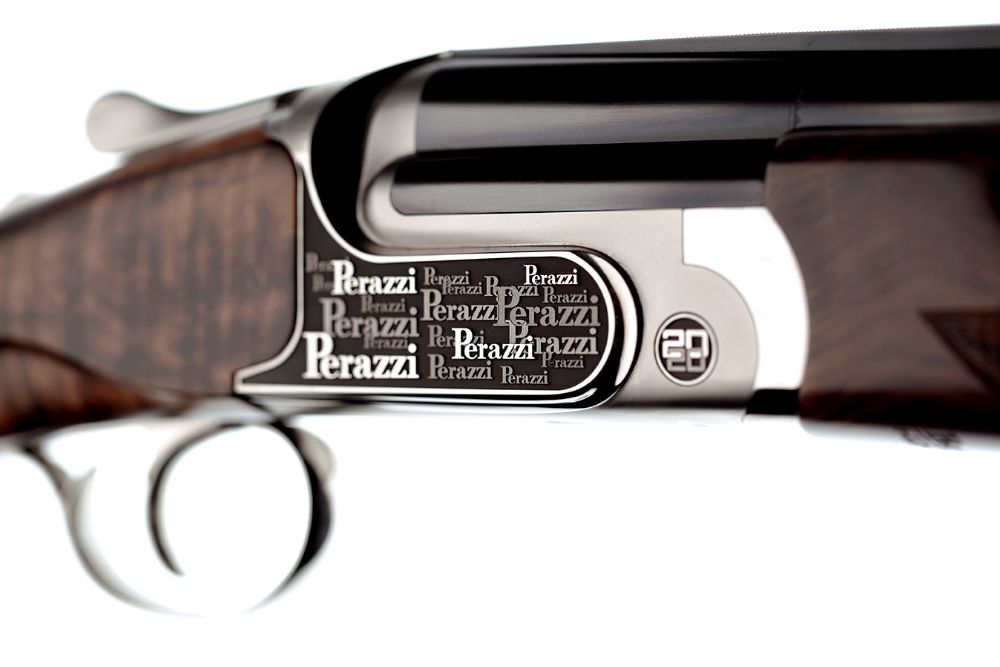
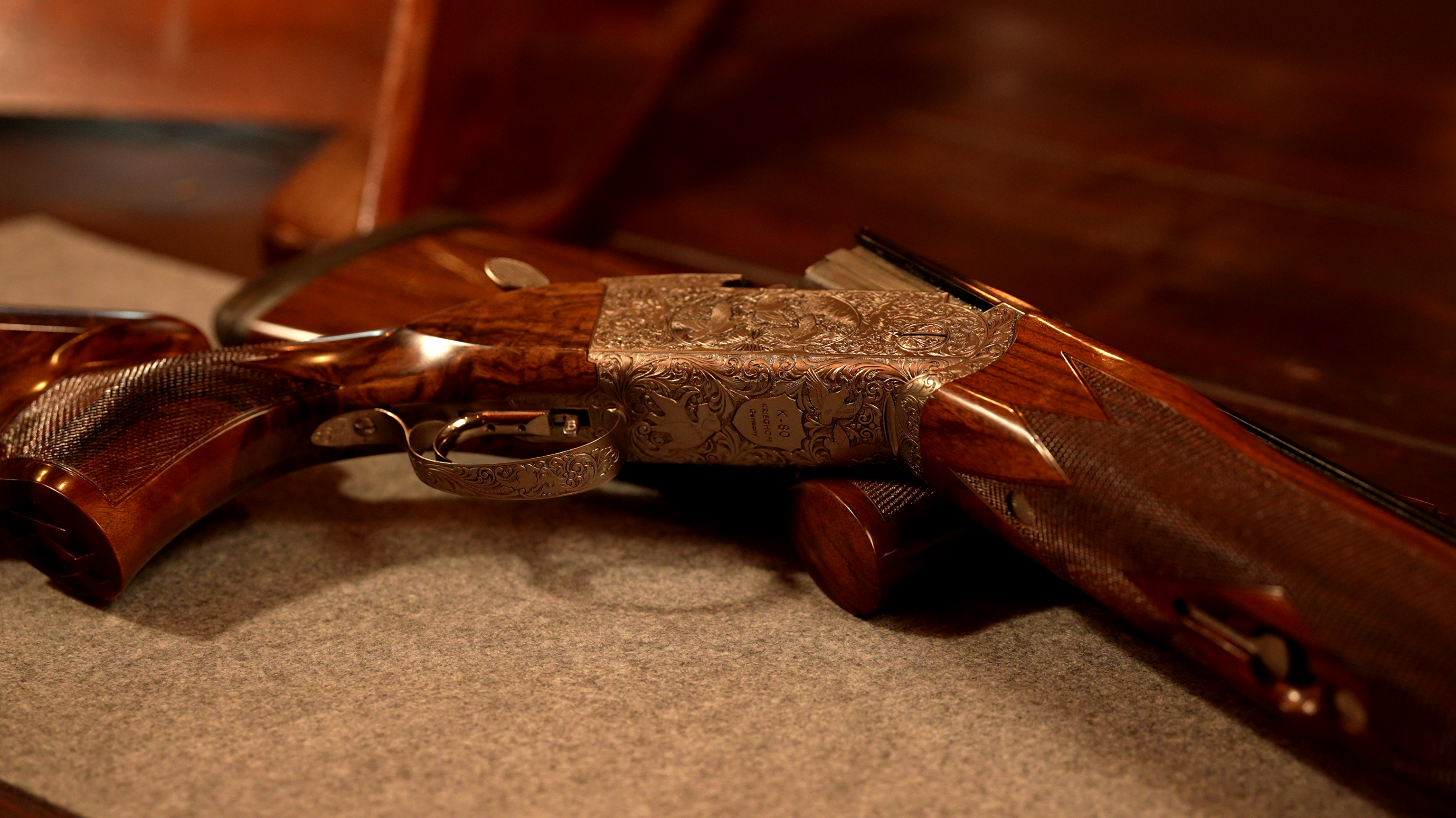
Competing with sub-gauge shotguns isn’t simply a matter of picking up a lighter gun and shooting smaller shells—it’s an entirely different mindset. It's about adapting your technique, approach, and expectations. These smaller gauges bring reduced shot payloads, altered recoil characteristics, and in many cases, tighter and more challenging shot patterns. For serious competitors, mastering sub-gauge events can be a rewarding pursuit, but they are not without their own set of complications and hurdles. Many top shooters turn to high-performing platforms like the Krieghoff K-20 Sporting or Perazzi MX28 to give themselves the best chance at consistent success across events.

Why Sub-Gauge Is Gaining Ground

The appeal of sub-gauge events is multi-faceted. First and foremost, many shooters are drawn to the elevated difficulty. The lower pellet counts and tighter shot patterns demand more precise shot placement. Where a 12-gauge shell may provide a forgiving spread at distance, a .410 or 28-gauge shell might not be nearly as generous, especially on longer targets or challenging presentations. That built-in challenge fuels a competitive fire in many shooters. It becomes a badge of honor to break targets consistently with a gauge that demands almost surgical precision. Guns like the Perazzi MX410 embody that philosophy—offering competition-level accuracy with the ultra-light .410 bore.

Reduced recoil is another compelling reason shooters turn to sub-gauge events. With lighter payloads and smaller cartridge sizes, sub-gauge shotguns often produce less perceived recoil. For some shooters—especially youth, seniors, or those recovering from injury—this can make a long day on the range much more enjoyable and manageable. It also reduces fatigue and flinching over multiple rounds, potentially improving overall performance. The Beretta 687 Silver Pigeon III Field, available in sub-gauge configurations, is a favorite among those who want a soft-shooting platform without sacrificing elegance or reliability.

Cole Fine Guns New Banner

Additionally, sub-gauge events are frequently featured in national and regional competitions hosted by the National Skeet Shooting Association (NSSA) and National Sporting Clays Association (NSCA). As of the NSSA’s 2022 Annual Report, participation in sub-gauge events has increased by over 40% in the last ten years, showing that more shooters are either adding these events to their schedules or focusing exclusively on them.

For hunters, sub-gauge shooting often feels more “real” or practical. The smaller gauges replicate the conditions and limitations encountered in the field when pursuing upland game such as quail, grouse, or woodcock. Practicing and competing with these guns provides crossover benefits—enhancing field skills while staying sharp during the off-season. Options like the Beretta 687 EELL, prized for its exquisite handling and responsiveness in 20- and 28-gauge, transition effortlessly from field to competition.

Shotkam Ad Banner

The Challenges of Going Small

As rewarding as sub-gauge shooting can be, it undeniably introduces a number of additional challenges, especially for those used to the relatively forgiving nature of 12-gauge shotguns. For one, the physics of the ammunition itself work against you. A standard 12-gauge shell might carry 1-1/8 ounces of shot—enough to produce a generous, dense pattern. By contrast, a 28-gauge shell typically carries just 3/4 of an ounce, and a .410 bore shell often holds as little as 1/2 to 11/16 ounces.

This lower pellet count translates to fewer opportunities to hit a target—particularly on crossing, fast-moving, or long-distance presentations. The reduced muzzle velocity common in many sub-gauge loads also means that shooters must pay closer attention to lead, shot timing, and movement anticipation. Targets that would be crushed by a forgiving 12-gauge spread may be missed entirely with a 28 or .410 unless shot placement is spot-on.

Moreover, while many people assume that sub-gauge guns always kick less, that’s not universally true. Due to their lightweight design, some sub-gauge guns can actually produce sharper felt recoil despite lower overall energy. When high-velocity shells are introduced in lightweight frames, the reduced mass of the shotgun fails to absorb the energy, which can catch shooters off guard and even cause fatigue or soreness over time. That’s where shotguns like the Krieghoff K-20 Parcours shine—it balances weight and recoil absorption remarkably well for a sub-gauge competition gun, making it a favorite for extended sporting clays sessions.

Training for Sub-Gauge Success

To perform well with sub-gauge firearms, shooters must double down on fundamentals. There’s simply less room for error. Gun mount, foot position, and swing mechanics need to be consistent and refined. Sub-gauge shooting rewards a balanced stance and smooth, efficient movements—any rushed or jerky action is likely to throw the shot wide of the mark.

Pattern testing becomes especially important with sub-gauge guns. Shooters should routinely test their guns and loads at distances like 20, 30, and 40 yards to better understand how their shot behaves. This data is essential in making informed decisions about choke selection, load choice, and engagement strategy. As Don Currie, chief instructor of the NSCA, wisely points out, “Pattern testing is essential for sub-gauge success. Without it, you’re relying on guesswork.”

Many shooters also incorporate training aids like sub-gauge tube sets into their 12-gauge frames. These allow a shooter to mimic the experience of shooting sub-gauge loads while using their familiar competition shotgun. The weight and balance of the 12-gauge stock help maintain ergonomics, making the transition smoother. It’s also a cost-effective way to practice sub-gauge shooting without investing in an entirely new firearm.

Some drills that particularly benefit sub-gauge shooters include high repetition crossing shots, hold-point discipline, and target tracking exercises. These build muscle memory and reinforce repeatable movements—critical when each shot counts more than ever. For those ready to train with purpose-built sub-gauge equipment, models like the Zoli Z-Sport Silver and the premium Beretta SL3 offer refined craftsmanship with outstanding balance and consistency across 20 and 28-gauge formats.

Doctor Richard Colo Signature Banner

A Word on Equipment and Adaptation

Success in sub-gauge shooting often hinges on selecting the right equipment—and tuning it to fit the shooter’s body and style. Lightweight guns can be a blessing or a curse, depending on how they handle. Some shooters add barrel weights or use aftermarket recoil pads to help manage balance and felt recoil. Adjustable combs, stock extensions, and precision-fit chokes can all help a shooter get the most out of their gear.

Gauge-specific characteristics also influence performance. The 20-gauge is widely regarded as the easiest transition from the 12-gauge. It delivers moderate recoil, decent shot capacity, and familiar ballistics. The 28-gauge, while more challenging, still maintains enough shot density to be effective and is especially popular among competitive sporting clays shooters who enjoy a lightweight yet capable gun. The Beretta SL3, for example, is praised not just for its aesthetics, but for its excellent handling in smaller gauges. The .410, on the other hand, is an entirely different beast—unforgiving, demanding near-perfect form and shot timing. For that reason, it's often seen as the ultimate test of a shooter’s control, requiring pinpoint accuracy and razor-sharp reflexes.

The Clay Lab Network Articles is Brought to You by
Westside Sporting Grounds Banner

But Let’s Be Real—12-Gauge Still Reigns

Despite the allure of sub-gauge events, it’s crucial to acknowledge one truth: the 12-gauge is still king in competitive clay shooting, especially at the upper levels. Most top-tier competitors—from sporting clays to FITASC to five-stand—spend the majority of their time shooting and mastering the 12-gauge. It remains the most versatile, most accessible, and most prevalent gauge in competition.

The reality is that at nearly every major event—be it the U.S. Open, World FITASC, or National Sporting Clays Championship—there are more than enough 12-gauge events on the program to keep a shooter busy for the entire competition. You could attend a major shoot and focus solely on 12-gauge events, skip the sub-gauge options entirely, and still be completely fulfilled both competitively and recreationally.

More importantly, mastering the 12-gauge builds the core foundation of your shooting skills. It’s the benchmark. Every other gauge should be considered a variation or extension—not a replacement—for what you learn with the 12. If you want to stand on the podium, especially at the professional level, you’ll need to be competitive in the 12-gauge main events.

That said, the temptation to jump headfirst into sub-gauge competition is real. It’s fun. It’s technically demanding. And it gives shooters a sense of specialization—like mastering a niche weapon in a larger arsenal. But as enjoyable as they are, sub-gauge events should supplement, not substitute, your 12-gauge training and competition.

It’s About the Fun, Too

All that being said, this sport is fundamentally about enjoyment. If sub-gauge events are what bring you joy—whether it’s the unique challenge, the lighter recoil, or the style of shooting they require—then by all means, embrace them wholeheartedly. Every shooter brings a different set of goals, motivations, and preferences to the field. Not everyone is gunning for the podium. Some are there to unwind, enjoy the outdoors, and sharpen their skills in new and interesting ways.

So if sub-gauge events are your thing, more power to you. That’s one of the best parts about shotgun sports—you can tailor your experience to your personal goals. Whether you're a .410 perfectionist with a Perazzi MX410, a 28-gauge loyalist with a K-20 Sporting, or a 20-gauge upland traditionalist carrying a Beretta 687 EELL, there’s room for you here.

Sportsman's Training Center Banner 2184x270

Final Thoughts

Sub-gauge events offer a rich and rewarding layer of complexity to shotgun sports. They demand precision, control, and strategy, offering shooters a new way to test their skills and enjoy the sport. But they also introduce challenges that shouldn’t be underestimated—less forgiving shot patterns, reduced pellet counts, and gear-specific nuances that can throw off even experienced shooters.

At the same time, it's important to remember the foundation of competitive shooting lies in mastering the 12-gauge. It's where the competition is fiercest, the prizes are richest, and the standards are highest. As fun and rewarding as sub-gauge shooting is, it shouldn't come at the expense of neglecting the core events that define the sport.

In the end, whether you’re chasing a championship title or simply trying to crush a few clays with friends, find what fuels your passion and pursue it. If that's .410 bore and a tight skeet field, great. If it's 12-gauge on a wide-open sporting clays course, even better. This sport is big enough for all of it.

Jereme P Tayamen Signature Only Black
Back to Articles Home
Videos by The Clay Lab
Podcasts by The Clay Lab Network

The Crucial Role of Demoing a Shotgun

Choosing the right shotgun is one of the most significant decisions a shooter can make. Whether your passion is sporting clays, skeet, or trap, your shotgun becomes an extension of yourself, influencing not just your performance but also your enjoyment of the sport. With premium shotguns like the Beretta DT-11, Beretta SL2, Krieghoff K-80, Perazzi models, Caesar Guerini Invictus line, Blaser F3 and many others, the decision carries a hefty financial investment. For many shooters, this choice represents a step toward long-term success in their shooting career.

But how do you ensure you’re buying the shotgun that’s right for you? The answer lies in a vital part of the buying process: trying before you buy.

Photo Credit: Krieghoff Int, Parazzi, Caesar Guerini, Beretta USA, & Blaser

Why Demoing a Shotgun Matters

Every shooter is different, with unique physical dimensions, shooting styles, and preferences. What works beautifully for one shooter may not suit another at all. Even among premium shotguns renowned for their quality, reliability, and craftsmanship, small differences in weight, balance, grip shape, and stock dimensions can make or break your fit and comfort.

Demoing a shotgun gives you the chance to test these elements. It’s your opportunity to assess how a particular model performs for your body and shooting style—not just for others. Many shooters have learned this the hard way, investing thousands of dollars in a shotgun they admired for its reputation, only to discover it wasn’t a good match.

Photo Credit: Krieghoff Int, Parazzi, Caesar Guerini, Beretta USA, & Blaser

The "Value vs. Cost" Equation

Premium shotguns come with premium price tags, but their value extends beyond the initial purchase. When evaluating "value vs. cost," consider factors such as:

  • Reliability: High-end shotguns like the Beretta DT-11 and Krieghoff K-80 are engineered to withstand the rigors of competitive shooting. Their reputations for flawless performance under pressure are well-earned.
  • Durability: These shotguns are built to last, with robust materials and meticulous craftsmanship that ensure they endure thousands (if not hundreds of thousands) of rounds. Some will lean towards the brands that stem from serious German Engineering while other will side with the Italian way design. All good in their own rights but they ALL BREAK, so the matter of the question is who will back their product with great service. Something very important to consider.
  • Serviceability: Brands like Krieghoff and Caesar Guerini are exceptionally known for excellent service options, including readily available parts and skilled technicians for maintenance and repairs.
  • Quality of Experience: A premium shotgun’s balance, trigger feel, and reduced recoil can significantly enhance your enjoyment of the sport like that off a lot of the premium brands. Shotguns known for their exceptional trigger feel like Perazzi and Krieghoff. Some shotguns are known for their smooth lock-up feel like a Beretta or Caesar Guerini.

Demoing a shotgun allows you to evaluate these qualities in real time. Does the shotgun swing smoothly for you? Does the recoil feel manageable? Do you like the trigger's responsiveness? These are questions only a hands-on trial can answer.

The Clay Lab Network Articles is Brought to You by

How to Demo a Shotgun

Fortunately, many manufacturers and dealers understand the importance of demoing and offer opportunities to try their shotguns before purchase. Some key steps to consider:

  • Visit Demo Days: Many premium brands host demo days at clubs and events, bringing a range of models for shooters to try. This is a fantastic opportunity to test several shotguns side-by-side.
  • Work with Dealers: Reputable dealers often have demo guns available. Reach out to local dealers who specialize in brands you’re interested in, and inquire about demo availability.
  • Borrow from Friends: If you know someone who owns a shotgun you’re considering, ask if you can shoot a few rounds with it. Adjusting the comb on their shotgun to better fit you can provide a valuable sense of how the model feels in action. Be cautious of bias as it may be right for them but not necessarily you.
  • Consult a Professional: A knowledgeable shooting coach or professional shooter can help you assess whether a shotgun suits you. They can also suggest adjustments or modifications to enhance fit.

Photo Credit: Krieghoff Int, Parazzi, Caesar Guerini, Beretta USA, & Blaser

The Importance of Proper Fit

Even the most renowned shotgun is only as good as its fit to the shooter. A poor fit can lead to missed targets, frustration, and even physical discomfort. Demoing a shotgun helps you evaluate its fit, but don’t stop there. Many premium brands offer adjustable features, such as comb height and cast, allowing you to tailor the shotgun to your measurements.

For shooters who are serious about the sport, a custom-fitted stock is the ultimate investment. Craftsmen like Jim Greenwood of Greenwood Custom Stocks and Rich Cole of Cole Gunsmithing & Fine Guns are masters in creating stocks that perfectly match a shooter’s dimensions and preferences. A custom stock can elevate a premium shotgun to its full potential, ensuring consistent performance and comfort. If you don’t think a custom stock can make a difference then you more than likely haven’t had one made. That applies to all aspects of like, custom is better…however, doesn’t mean you absolutely have to have it to be successful, it just expedites the journey to success.

Photo Credit: Krieghoff Int, Parazzi, Caesar Guerini, Beretta USA, & Blaser

Avoiding Costly Mistakes

A premium shotgun is a significant investment, often costing $8,000 or more. Choosing the wrong one can be a costly mistake—not just financially, but also in terms of your shooting experience. Some common pitfalls include:

  • Buying Based on Reputation Alone: Just because a shotgun is highly regarded doesn’t mean it’s right for you. A Krieghoff K-80 might be perfect for one shooter, while another might feel more comfortable with a Beretta SL2 or Blaser F3.
  • Rushing the Decision: It’s tempting to buy a shotgun you’ve admired for years, but taking the time to demo it can save you from buyer’s remorse.
  • Ignoring Fit Issues: If a shotgun doesn’t feel right during a demo, it’s unlikely to magically feel better over time. Trust your instincts and explore other options.

Photo Credit: Krieghoff Int, Parazzi, Caesar Guerini, Beretta USA, & Blaser

The Long-Term View: Investment in Your Shooting Career

For many clay target shooters, a premium shotgun is more than just a tool—it’s an investment in their passion and progress. These shotguns are designed to support your growth as a shooter, with features that enhance consistency, reliability, and performance. The durability and serviceability of your brand of choice to ensure that your investment can last a lifetime, especially with proper care and maintenance.

Moreover, owning a shotgun that feels like an extension of yourself can improve your confidence and focus on the field, enabling you to reach new levels in your shooting career.

Photo Credit: Krieghoff Int, Parazzi, Caesar Guerini, Beretta USA, & Blaser

The Takeaway

Choosing the right shotgun for sporting clays, skeet, or trap is a deeply personal decision. Demoing a shotgun before purchasing allows you to make an informed choice based on firsthand experience. It’s an opportunity to explore how a premium model feels in your hands, how it performs on the range, and whether it aligns with your needs and goals.

Take the time to try multiple models, consult experts, and, if possible, invest in a custom-fitted stock. By doing so, you can avoid costly mistakes and ensure your shotgun is a true partner in your shooting journey. From Beretta to Krieghoff, Perazzi to Blaser, these brands offer extraordinary tools—but the final decision should always come down to what’s right for you.

Podcast on Demo Days
Back to Articles Home
Videos by The Clay Lab
Podcasts by The Clay Lab Network

The Fabarm L4S Allsport RS: A New Contender in the Semi-Auto Shotgun Market

The Fabarm L4S Allsport RS is a fresh addition to the world of semi-automatic shotguns, aiming to carve out a space for itself in the mid-tier market. As shooters explore the myriad options available, the L4S Allsport RS presents itself as a compelling choice, particularly for those who engage in multiple clay target disciplines such as trap, skeet, and sporting clays. But can one shotgun truly excel across all these disciplines? This question looms large as we delve into what the L4S Allsport RS has to offer.

A Shotgun Designed for Versatility

The L4S Allsport RS was conceptualized as an all-in-one solution for clay target shooters. The challenge of designing a shotgun that can handle the varied demands of trap, skeet, and sporting clays is no small feat. Each discipline has its own unique requirements, from the precise accuracy needed in trap shooting to the rapid target acquisition demanded in skeet, and the diverse target presentations encountered in sporting clays.

Fabarm’s approach with the L4S Allsport RS was to create a shotgun that offers adaptability without compromising on performance. The key feature that stands out in this regard is the Quick Release Rib (Q.R.R) System. This system includes two ribs—one set at a 50/50 point of impact (POI) and the other at a 65/35 POI—allowing shooters to easily switch between the two depending on the discipline. This versatility is further enhanced by the adjustable comb, which can be rotated in all angles, ensuring that shooters can fine-tune the fit to their individual needs.

Photo Credit: FABARM USA, LLC

The Technical Breakdown

For those who appreciate the technical aspects of their firearms, the L4S Allsport RS doesn’t disappoint. It comes equipped with a 12-gauge, 30-inch barrel, and a stainless steel piston gas-operated system. The TRIBORE HP™ barrel technology is designed to optimize shot patterns, enhancing accuracy and consistency. The barrel length and rib system ensure that the shotgun can be fine-tuned to suit various shooting disciplines, while the five EXIS HP Competition Choke Tubes provide further customization options.

The stock is made from semi-deluxe European walnut, featuring a matte, hand-oiled finish that not only adds to the aesthetic appeal but also provides a comfortable and ergonomic grip. The Monte Carlo-style stock helps to properly align the shooter’s eye with the elevated rib, promoting a more upright shooting posture, which can reduce fatigue during long shooting sessions.

At an average weight of 7lbs 13oz, the L4S Allsport RS is well-balanced, providing enough heft to manage recoil effectively while still being light enough for quick target transitions. The shotgun also comes with a five-year warranty, with service provided in the USA, ensuring that shooters have the support they need to keep their firearm in top condition.

Comparing the L4S Allsport RS with Its Siblings

When evaluating the L4S Allsport RS, it's important to consider how it stacks up against other models in the Fabarm lineup. The L4S Sporting and the XLR5 Velocity AR are two such models that cater to similar markets but with different approaches.

Photo Credit: FABARM USA, LLC

The L4S Sporting is a more straightforward option, featuring a fixed rib set at 50/50 POI and a fixed, non-adjustable stock. Priced at a base MSRP of $2,350, it offers a solid performance for shooters who prefer simplicity and reliability. However, its lack of adjustability might be a limitation for those looking to tailor their shotgun to different shooting styles.

Photo Credit: FABARM USA, LLC

On the other end of the spectrum is the XLR5 Velocity AR. This model is a feature-rich shotgun that leaves little to be desired. With an adjustable rib that can range from 50/50 POI to 90/10 POI, an adjustable trigger, and a kinetic recoil reducer included, the XLR5 Velocity AR is designed for shooters who demand the utmost in customization. However, these features come at a steep price, with a base MSRP of $4,100.

The Clay Lab Network Articles is Brought to You by

Positioned between these two models, the L4S Allsport RS offers a balanced mix of features at a more accessible price point. With a base MSRP of $2,750, it provides an impressive array of features, such as the Q.R.R. System and the adjustable comb, making it a versatile option for shooters who want a shotgun that can adapt to different disciplines. The L4S Allsport RS may not have the extensive adjustability of the XLR5 Velocity AR, but it offers enough flexibility to make it a strong contender in its price range.

Photo Credit: FABARM USA, LLC

The Market Position

The introduction of the L4S Allsport RS in early 2024, followed by its first shipment from Italy to the US in July, marks an exciting development in the semi-automatic shotgun market. Fabarm chose to debut this model at the Scholastic Clay Target Program (SCTP) National Championships in Ohio, a fitting venue given the shotgun’s design focus on versatility across multiple disciplines.

The SCTP National Championships provided an ideal platform to showcase the L4S Allsport RS to a diverse audience of young shooters and coaches. The opportunity to test the shotgun in a competitive environment gave participants a firsthand look at its capabilities. Feedback from this event has been largely positive, with many noting the shotgun’s adaptability and value for money.

However, the market for mid-tier semi-automatic shotguns is highly competitive, with several other brands offering compelling options. The L4S Allsport RS enters this market with a strong value proposition, but it will need to prove itself against established competitors. Shooters looking for a shotgun that can perform across multiple disciplines will find the L4S Allsport RS to be a versatile and well-rounded option. Yet, the question remains—can one shotgun truly excel in all aspects of clay target shooting?

The All-In-One Shotgun: Myth or Reality?

The idea of an all-in-one shotgun is undoubtedly appealing. The convenience of owning a single firearm that can handle multiple disciplines is a strong selling point, especially for shooters who participate in a variety of events. However, the reality is that each clay target discipline places different demands on the shooter and the equipment.

Trap shooting, for example, typically requires a shotgun with a higher POI to compensate for the rising target, whereas sporting clays often demand a more versatile setup that can handle a wide range of target presentations. Skeet shooting, with its fast-moving targets crossing at close range, benefits from a shotgun that allows for quick target acquisition and a flat POI.

The L4S Allsport RS attempts to bridge these gaps with its adjustable rib system and comb, offering shooters the flexibility to configure the shotgun according to the discipline at hand. While it may not be the perfect solution for every shooter, it provides a level of versatility that is hard to find in other models within its price range.

Photo Credit: FABARM USA, LLC

Conclusion: A Worthy Contender

In conclusion, the Fabarm L4S Allsport RS is a thoughtfully designed semi-automatic shotgun that aims to meet the needs of multi-discipline clay target shooters. It strikes a balance between affordability and features, making it an attractive option for those who want a shotgun that can do it all without breaking the bank.

While it may not offer the extreme levels of customization found in higher-end models like the XLR5 Velocity AR, the L4S Allsport RS provides enough adjustability and versatility to satisfy most shooters. Its introduction at the SCTP National Championships in Ohio has already generated interest, and it’s likely to become a popular choice among shooters who value adaptability and performance.

Ultimately, whether the L4S Allsport RS is the right choice for you depends on your specific needs and preferences. If you’re looking for a shotgun that offers a solid mix of features at a mid-tier price, the L4S Allsport RS is certainly worth considering. However, if you’re a specialist in a particular discipline, you may still find that a more focused, discipline-specific shotgun better suits your needs. The L4S Allsport RS doesn’t claim to be perfect for everyone, but for those who need a reliable, versatile shotgun that can handle a variety of clay target sports, it’s a heck of a lot of gun for the money.

Back to Articles Home
Videos by The Clay Lab
Podcasts by The Clay Lab Network

DLC Coated Shotguns? Krieghoff’s New Offerings and My Experiences

Krieghoff, a renowned name in the world of sporting clays, has set a benchmark with the introduction of its competition shotguns featuring Diamond-Like Carbon (DLC) coating. While Krieghoff is not the first to offer a DLC-coated competition gun, I am personally excited about this new offering. My personal Krieghoff K-80 Parcours, a reliable companion through numerous competitions and practice sessions, has significant wear in the bluing due to extensive use. This advancement in firearm technology is poised to revolutionize the experience for shooters, particularly those who frequently face the unpredictable and harsh weather conditions that come with outdoor tournaments. Regardless of your shotgun brand preferences, I encourage you to learn more about DLC Coating and the benefits it provides to long-term competitors below.


Understanding DLC Coating


DLC stands for diamond-like carbon, a cutting-edge coating technology that significantly enhances the performance and durability of firearms. As its name suggests, DLC is a carbon film that mirrors the hardness of diamonds, resulting in an exceptionally tough and resilient surface. This thin carbon layer not only provides a sleek, mirror-like finish but also boasts remarkable resistance to wear, friction, and corrosion.


The versatility of DLC coating is another of its key attributes. It can be applied to various firearm components, including triggers, sights, frames, and muzzles, and can adhere to different shapes and materials without compromising its protective qualities. Additionally, the application process is eco-friendly, avoiding strong odors or mess, making it a sustainable choice for firearm manufacturers and users alike.

Photo Credit: HEFUSA

A Personal Touch: My Experience with the K-80 Parcours Gold Standard


As an avid shooter, my journey with my Krieghoff has been marked by dedication and countless hours spent shooting over the past 3 years. My K-80 Parcours Gold Standard model has been a trusted companion through numerous competitions and practice sessions. Its performance has been impeccable, but over time, the wear and tear have become noticeable, particularly on the blued surfaces.


The bluing on my K-80 has seen significant wear, with scratches and areas where the finish has thinned due to constant handling and exposure to the elements. This wear is a testament to the many shells fired and competition use as I treat it like a tool. Despite meticulous care and maintenance, the signs of aging are evident, and it’s clear that considering an upgrade in the near future is on my mind.


The new DLC-coated models from Krieghoff have certainly caught my attention. The promise of enhanced durability and reduced maintenance is appealing, especially given the demanding nature of competitive shooting. However, there’s an important consideration that weighs heavily on my decision—the aesthetic element of my current shotgun.

My K-80 Parcours Gold Standard features intricate gold inlays that add a touch of elegance and personal significance to the firearm. This gold detailing is more than just an aesthetic choice; it reflects my personal taste and the pride I take in my equipment. Unlike most shooters in this sport, I clean my shotgun after every competition or practice session. As I contemplate upgrading to a DLC-coated version, I find myself wondering whether Krieghoff will offer the same level of customization, allowing for gold inlays on the DLC-coated models.


The integration of gold with the sleek, matte black finish of the DLC coating would create a stunning visual contrast, combining durability with sophistication. This combination would ensure that the upgraded shotgun not only performs exceptionally well but also maintains the distinctive appearance that I value.


For fellow shooters who might be in a similar situation, these images serve as a reminder of the wear that our equipment endures and the importance of considering upgrades that enhance both performance and longevity. The transition to a DLC-coated shotgun is not just about maintaining functionality but also about preserving the memories and experiences embedded in our firearms.

Photo Credit: The Clay Lab

DLC Coating for Krieghoff Shotguns


Krieghoff has now made DLC coating a standard feature for all its K-80 and K-20 competition shotguns, covering all steel surfaces of these models. This includes the barrels and receivers. The incorporation of DLC coating ensures that these critical components are well-protected from scratches and environmental factors, which are common concerns for shooters who often find themselves in less-than-ideal weather conditions.


The appearance of the DLC coating can vary depending on the underlying surface of the steel. Krieghoff has leveraged this to develop a very matte and low-reflective finish, which is particularly advantageous in bright surroundings where glare can be distracting.


Benefits of DLC Coating


Durability: One of the primary benefits of DLC coating is its extraordinary durability. The hardness of the diamond-like carbon layer provides excellent protection against scratches and other forms of wear and tear. This is crucial for competition shotguns that are subject to frequent use and rough handling like constant travel.


Friction Reduction: DLC coatings can reduce sliding friction by 200-500% compared to traditional tribological PVD coatings. This significant reduction in friction is essential for firearm components that experience reciprocating or sliding movements. Lower friction leads to less wear and smoother operation, which is particularly beneficial for competition shotguns where performance and reliability are paramount.


Corrosion Resistance: The protective qualities of DLC extend to resistance against environmental factors such as moisture and oxidation. For outdoor sports where shooters often contend with rain and humidity, this corrosion resistance is invaluable. It ensures that the shotgun remains in optimal condition, requiring less maintenance and providing a longer lifespan.


Reduced Need for Lubrication: The low friction properties of DLC coatings also mean that there is a reduced need for lubrication. This is a significant advantage as it minimizes the accumulation of dirt and dust, which can impede the functioning of the firearm. Less lubrication also translates to less cleaning and maintenance, allowing shooters to focus more on their performance.


Aesthetics: In addition to its functional benefits, DLC coating enhances the visual appeal of firearms. The shiny, mirror-like finish combined with the matte black options gives shooters a range of aesthetic choices, making their shotguns not only high-performing but also visually striking.

The Clay Lab Network Articles is Brought to You by

Special Features and Customization


Krieghoff's new DLC-coated shotguns come with a range of special features and customization options. For instance, the DLC barrel finish can be complemented with an optically matching Krieghoff lettering, available in a shiny, permanent form. This adds a personalized touch to the firearm, reflecting the owner’s preference and style.


The DLC-coated, free-floating barrel sets are another highlight, featuring an optically matching Titanium Front Hanger that is also DLC coated in matte black. This combination not only enhances the visual coherence of the shotgun but also ensures that every component benefits from the superior protective qualities of the DLC coating.


Furthermore, the DLC-coated receiver is paired with an optically matching DLC coated, matte black trigger. This attention to detail in matching components ensures that the shotguns maintain a cohesive and professional appearance, appealing to both competitive shooters and firearm enthusiasts.


Impact on the Shooting Experience


The introduction of DLC-coated competition shotguns by Krieghoff is set to make a significant impact on the shooting experience. Shooters can now rely on their firearms to perform consistently, even in adverse weather conditions. The enhanced durability and reduced maintenance requirements mean that shooters can spend more time honing their skills and less time worrying about the upkeep of their equipment.

Photo Credit: Krieghoff

Considering an Upgrade?


For current Krieghoff shooters, particularly those using blued models that have seen extensive competition use, the new DLC-coated shotguns present a compelling upgrade opportunity. Over time, even the best-maintained blued shotguns can show signs of wear and tear, especially on surfaces exposed to the elements and frequent handling. Scratches, surface wear, and the onset of corrosion can detract from both the performance and appearance of these valuable tools.


For those who take pride in the aesthetic appeal of their shotguns, the customizable options available with the DLC coating—such as the matte black finish and shiny Krieghoff lettering—offer a fresh and modern look that stands out on the range. This upgrade is not just about maintaining performance but also about making a statement with a visually striking firearm that reflects the shooter’s dedication and style.

Photo Credit: Krieghoff

Conclusion


Krieghoff’s new offering of competition shotguns with DLC coating represents a significant advancement in firearm technology. By integrating the diamond-like carbon coating, Krieghoff has not only enhanced the performance and durability of their shotguns but also addressed the specific needs of outdoor sports shooters who frequently encounter challenging weather conditions.


For current Krieghoff owners, especially those with well-worn blued models, there is no known information about whether Krieghoff will offer the service of DLC’ing barrels and receivers that are used. Only time will tell but it may not be cost effective from yours or the company’s standpoint. For now, the assumption is that DLC is only offered in new models.


I would expect many more companies to follow in the footsteps of Beretta and Krieghoff to offer a DLC competition shotgun. I also expect that some will not waver from traditional finishes. As I consider this upgrade for my own K-80 Parcours Gold Standard, I am reminded of the countless memories and achievements that my current shotgun holds. The potential of a DLC-coated version to offer the same reliability and elegance, while providing superior durability and performance, makes this an exciting prospect for the future. Regardless of your current shotgun brand, the new offerings from manufactures with DLC coatings are worth exploring for anyone serious about their shooting sport.

See Krieghoff's Announcement Article HERE

Back to Articles Home
Videos by The Clay Lab
Podcasts by The Clay Lab Network

The Legacy of Krieghoff: From the K-32 to the K-80 and Beyond

For many in the shotgun community, Krieghoff stands as a beacon of quality, craftsmanship, and innovation. Its name evokes a sense of reverence among shooters worldwide, symbolizing excellence in design and performance. From its modest beginnings to becoming an industry titan, the journey of Krieghoff is a captivating narrative of dedication, ingenuity, and passion.


Origins of Krieghoff: A Heritage of Excellence

Originating as Sempert and Krieghoff in 1886, H. Krieghoff GmbH – globally recognized as "Krieghoff" – embarked on a singular vision to craft the quintessential hunting firearm, a Drilling. Over the ensuing decades, Krieghoff's journey through five generations has seen a steadfast commitment to innovation, solidifying its status as a premier manufacturer of fine hunting and sporting arms. While rooted in its hunting heritage, Krieghoff maintains its commitment to crafting hunting arms, including drillings, rifles encompassing double rifles, and shotguns, including a bespoke line of true sidelock firearms.

                  The Latest Clay Lab Video

The Acquisition of the K-32 Design

In the late 1950s, after dedicating over sixty years to crafting hunting arms, Krieghoff encountered a proposal from an American-German consortium. This proposal sought to leverage the original Remington Model 32 core design to create a Krieghoff entry into the competitive shotgun market. Recognizing the potential and innovation inherent in this proposition, the Krieghoff team embraced the challenge. They embarked on the design journey that would culminate in the creation of the Krieghoff Model 32, affectionately known as the K-32, tailored specifically for the clay target shooting arena.


The Birth of the Krieghoff K-32

With the acquisition of the K-32 design, Krieghoff set out to refine and enhance the shotgun to meet the exacting standards of shooters. Meticulous craftsmanship and attention to detail characterized the design process, resulting in a shotgun renowned for its reliability, balance, and handling. The K-32 quickly garnered acclaim among trap shooters worldwide, its sleek lines and elegant engraving setting it apart as a symbol of precision and performance. The introduction of the K-32 marked a pivotal moment in Krieghoff's history, ushering in a new era that endures to this day with the K-80, K-20, and KX-6 Special competition shotgun models.

The Clay Lab Network Articles is Brought to You by

The Evolution: Introducing the Krieghoff K-80

Building upon the success of the K-32, Krieghoff continued to innovate, pushing the boundaries of shotgun technology further than ever before. In 1980, they unveiled their magnum opus – the Krieghoff K-80.


The K-80 represented a paradigm shift in shotgun design. Its modular construction allowed shooters to customize their shotgun with unprecedented versatility, enabling seamless adaptation to various shooting disciplines, including trap, skeet, and sporting clays. The K-80's superior performance, durability, and exquisite craftsmanship solidified its status as the gold standard in the world of shotguns.


Features of the Krieghoff K-80

1. Modular Design

The K-80's modular design empowers shooters to tailor their shotgun to their precise specifications. Whether adjusting the length of pull, changing barrel configurations, or fine-tuning the rib height, the K-80 offers unparalleled versatility, ensuring optimal performance in any shooting scenario.


2. Durability and Reliability

Crafted from the finest materials and built to exacting standards, the K-80 epitomizes durability and reliability. Whether enduring the rigors of competitive shooting or braving the elements on a hunting expedition, the K-80 delivers consistent performance shot after shot, earning the trust of shooters worldwide.


3. Superior Balance and Handling

The K-80's meticulously engineered weight distribution ensures exceptional balance and handling, facilitating smooth swings and minimal felt recoil. Its ergonomic design allows shooters to maintain peak performance and accuracy, even during extended shooting sessions, enhancing the overall shooting experience.


4. Exquisite Craftsmanship

Each custom engraved Krieghoff shotgun is a masterpiece of craftsmanship, meticulously handcrafted by skilled artisans to the highest standards of excellence. From laser engraving, laser engraving with hand finish, or completely hand engraved, the craftsmanship behind the beautiful looks of a Krieghoff are unquestionable. From the intricate scrollwork adorning the receiver to the hand-finished wood of the stock, every detail reflects Krieghoff's commitment to quality and precision, resulting in a shotgun that is as aesthetically pleasing as it is functional.

           Another Amazing Youtube Video

Shotgun Options from Krieghoff

In addition to the iconic K-80 Sporter, Krieghoff offers a diverse range of shotgun options to cater to the varied preferences and needs of shooters. Let's explore some of the noteworthy choices available:


1. Krieghoff K-80 Pro Sporter

Crafted for the rigors of sporting clays and other clay target sports, the Krieghoff K-80 Pro Sporter offers versatility in a sleek package. Its adjustable comb and rib height allow shooters to customize their fit and sight picture, while its robust construction ensures reliability round after round. This makes the Pro Sporter vary ideal for shooters who either shoot multiple disciplines looking for an edge being able to shoot the same gun.


2. Krieghoff K-80 Parcours

The Krieghoff K-80 Parcours is designed for the field, combining lightweight maneuverability with the legendary performance of the K-80 platform. Whether pursuing upland game or navigating challenging terrain, the K-80 Parcours delivers exceptional handling and reliability, making it an ideal companion for hunters seeking adventure in the great outdoors. This is all besides its perfect use in competition of course. Designed for maneuverability, it excels in events like FITASC or for low-gun shooters in general. One of the lightest options available from Krieghoff, making it ideal for


3. Krieghoff K-20

Chambered in 20 gauge, the Krieghoff K-20 offers the same level of performance and versatility as its larger counterparts in a lighter package. Whether used for hunting or competition shooting, the K-20 provides reduced recoil and enhanced maneuverability without sacrificing the precision and reliability that Krieghoff shotguns are known for.

K80 Sporter Thumbnail Base Photo

Photo Credit: Jereme "JP" Tayamen

Conclusion

From its humble beginnings in the late 19th century to its position as a global leader in shotgun manufacturing, the journey of Krieghoff is a testament to the enduring legacy of excellence and innovation. With a commitment to quality craftsmanship and a relentless pursuit of perfection, Krieghoff continues to set the standard for excellence in the world of shotguns. Whether it's the iconic K-80, the legendary K-32, or one of their many other shotgun options, shooters can trust in the superior performance, reliability, and heritage of a Krieghoff shotgun, knowing that they wield a piece of history and a symbol of excellence in the realm of firearms.

Back to Articles Home
Videos by The Clay Lab Network
Podcasts by The Clay Lab Network

Kolar Arms: Elevating Shotgun Excellence with the Max Lite Sporting

In the realm of precision shotguns, Kolar Arms has etched its name as a purveyor of craftsmanship and innovation. The Kolar Max Lite Sporting, a testament to the brand's commitment to excellence, stands tall as a symbol of refined design, cutting-edge technology, and unparalleled performance in the world of clay shooting.


Mastering the Craft:


Kolar Arms, a family-owned company based in the heartland of America, has been synonymous with quality since its inception. The Max Lite Sporting exemplifies the meticulous craftsmanship and attention to detail that define Kolar's legacy.


Each Max Lite Sporting shotgun is a product of a labor-intensive process, with components meticulously inspected and fitted by skilled craftsmen. From the precisely machined receiver to the hand-polished barrels, every detail reflects Kolar's dedication to creating shotguns that are as much works of art as they are high-performance firearms.

Innovative Design:


The Max Lite Sporting boasts a distinctive design that seamlessly marries form and function. With a sleek, low-profile receiver and a finely contoured forend, the shotgun exudes a modern aesthetic while retaining the classic elegance that defines Kolar Arms.


One of the standout features of the Max Lite Sporting is its adjustable rib system. Shooters have the flexibility to fine-tune the point of impact, catering to individual preferences and shooting styles. This level of customization is a game-changer for those who demand precision in every shot.


Performance Unleashed:


Built for the rigors of competitive clay shooting, the Max Lite Sporting is not merely a shotgun; it's a high-performance tool engineered for success. The shotgun's lightweight design, coupled with the advanced barrel technology, ensures quick target acquisition and reduced recoil, allowing shooters to maintain accuracy and control during extended shooting sessions.


The Kolar Max Lite Sporting is equipped with a responsive and adjustable trigger system, contributing to a crisp and consistent pull. This precision trigger enhances the shooter's ability to connect with the shotgun, translating intention into action on the sporting course.

Kolar Site

Photo Credit: Kolar Arms

The Clay Lab Network Articles is Brought to You by

A Legacy of Excellence:


For enthusiasts seeking a shotgun that exemplifies the intersection of tradition and innovation, the Kolar Max Lite Sporting stands as a beacon of excellence. As shooters shoulder this masterpiece, they become part of a legacy that spans generations—a legacy built on the relentless pursuit of perfection.


Conclusion:


In the world of high-end shotguns, the Kolar Max Lite Sporting asserts itself as a paragon of craftsmanship and performance. It's not merely a firearm; it's an embodiment of Kolar Arms' unwavering commitment to pushing the boundaries of what a shotgun can achieve. For those who demand the pinnacle of precision and reliability in their sporting arms, the Kolar Max Lite Sporting is a testament to the enduring legacy of American ingenuity and shotgun excellence.

kolar-engraving-gold-select-round-under-side

Photo Credit: Kolar Arms

Back to Articles Home
Videos by The Clay Lab Network
Podcasts by The Clay Lab Network