The Clay Lab Videos Podcasts & Articles Banner

Maximizing Shooting Performance: The Art of Planning and Tapering in Sporting Clays

In the expansive world of firearms, Briley Manufacturing Company emerges as a beacon of precision, innovation, and quality. Established in 1976 by Jess Briley, this Texas-based enterprise has transformed from a modest machine shop into a global force in firearms accessories. Renowned for its commitment to precision and excellence, Briley has left an indelible mark on shotgun sports, supporting various disciplines such as trap, skeet, and sporting clays. In this comprehensive exploration, we will delve into the origins of Briley, examine some of its notable products, and focus specifically on the mastery behind their renowned choke tubes and tube sets.


Origins:


Briley Manufacturing's journey began in Houston, Texas, where Jess Briley founded a small machine shop in 1976. Jess Briley envisioned a company that would combine his expertise in machining with a commitment to quality craftsmanship. As Briley gained recognition for its precision and innovation, it expanded its product offerings to become a trusted name in the firearms industry.

The Science of Adaptation: Slow and Steady Wins the Race

Shooters often underestimate the timeline of physiological adaptation following a training session. Muscles rebuild, energy stores replenish, and genetic expression alters in response to the stresses imposed during practice. This process, known as recovery, underscores the importance of patience in training. While immediate gains may be elusive, the long-term dividends of structured rest and recovery are undeniable.


Akin to other sports that are more physically involved, research indicates that optimal recovery takes time, with significant losses in muscular and aerobic fitness observed only after several days of inactivity. For athletes preparing for grueling events like ultramarathons, the road to deep recovery may span weeks. Yet, striking a balance between rest and activity is imperative to ensure peak performance. If you don’t think shooters are athletes, ask your NSCA Veteran Concurrent Shooters how exhaustive shooting a 4 day event is vs a Junior. Although Sporting Clays shooters may not match the same description as other athletes, they face the same challenges but in different ways. Did you know your eyes take muscles to move them? How tired do your eyes get after a day or weekend of shooting?


The Art of Tapering: Fine-Tuning for Success

At the heart of peaking lies tapering - a strategic reduction in training load designed to enhance performance just in time for competition. Tapering is not merely about cutting back on mileage; it's a nuanced process that requires careful planning and adherence to key principles. Some professionals practice this while others tout massive amounts of shells leading up to a tournament. A safe comparison you may find is the student cramming before a test vs the someone putting in the work over a long period of time.


While the duration of tapering varies depending on the event's length and a shooter's conditioning, certain principles hold true across disciplines:


Endurance Base: A solid foundation of endurance training is essential to maximize the benefits of tapering. This is the 100 bird event practice keeping your mental and physical conditioning up to par for competition.

Taper Period: The optimal taper period typically ranges from a couple days for smaller events to up to a week or more before big events.

Training Frequency: While training frequency may be slightly reduced, intensity remains constant.

Training Volume: Reductions in training volume range from 50% to 95% as the competition gets closer.

Intensity: Maintaining high-intensity training preserves mental focus on making every bird count as they do in competition.

The Clay Lab Network Articles is Brought to You by

Avoiding Common Pitfalls: Timing is Everything

Despite the well-established benefits of tapering, many shooters may fall prey to the temptation of training hard until the eleventh hour. This approach can often backfire, leading to suboptimal performance due to inadequate recovery both mentally or physically. We are not machines, something will give eventually and it will either be your mental focus that you need for every target to count or your body it self when you gun starts to feel a bit “heavy”. Small hint, it’s not anymore heavy than when you started, it’s you.


Crafting a Long-Term Strategy: The Power of Periodization

Peaking isn't an isolated event; it's the culmination of a meticulously crafted training regimen rooted in periodization. Periodization involves systematically modulating training intensity and volume to achieve peak shooting performance at the desired time. Whether elite or recreational, shooters must integrate periods of rest and recovery into their training cycles to sustain long-term performance gains.


Tailoring the Taper: Event-Specific Considerations

Just as no two shooters are alike, no two tapering strategies are identical. The duration and intensity of tapering must align with the demands of the event. Longer events necessitate more extended taper periods to allow for full recovery and adaptation. Conversely, shorter events may require shorter, more intense tapering protocols. Understanding the unique demands of each discipline enables shooters to tailor their tapering strategies for maximum effectiveness.

                  The Latest Clay Lab Video

Conclusion: Mastering the Art of Peaking

In the pursuit of sporting clays excellence, success hinges not only on skill and determination but also on strategic planning and disciplined tapering. By embracing the rhythms of adaptation and adhering to proven tapering principles, shooters can unlock their full potential precisely when it counts. Whether standing on the precipice of a State Shoot or gearing up for the World Sporting Clays Championship, the art of peaking transforms aspirations into achievements, propelling athletes to the pinnacle of sporting success. If you don’t think Sporting Clays Shooters are Athletes, think again.

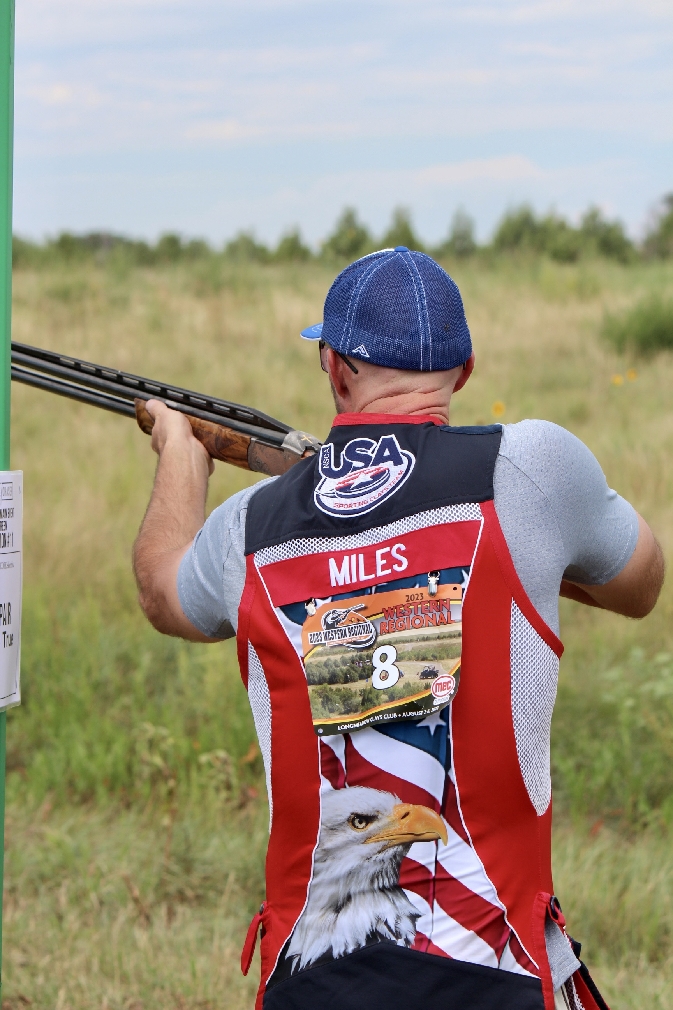
Gebben Miles

Photo Credit: Clay Target Nation

Back to Articles Home
Videos by The Clay Lab Network
Podcasts by The Clay Lab Network

Mastering the Art of Sporting Clays: Unveiling the Impact of Trap Style Targets

Sporting clays, demands a unique set of skills to conquer its dynamic challenges. In the pursuit of mastery, one thing shooters should embrace is trap style targets to enhance their game. This comprehensive guide explores the profound impact of incorporating trap style targets into your training regimen, delving into the nuances of their presentation, the frequency at smaller stations, and a recommended technique on how best to practice on a trap field.


The Essence of Trap Style Targets


1. Understanding Trap Style Targets

Trap style targets simulate real-world scenarios encountered in sporting clays, offering a mix of speed, trajectory, and unpredictability when shooting the game of Trap. Delving into the essence of these targets provides shooters with a deeper appreciation for the challenges they pose and the unique advantages they bring to the training ground when shooting sporting clays. Thankfully, in the game of sporting clays, we get a chance to get rid of one of the unknown variables; we know the angle/trajectory as we see it in the show pairs.


2. Analyzing Flight Characteristics

Breaking down the flight characteristics of trap style targets, we explore the nuances that make them a vital component of a shooter's skill development. From straight away target presentations to strong quartering angles, understanding these elements lays the foundation for strategic practice and improved performance. This emphasizes the importance of maximizing your time during show pairs. Don’t waste your opportunity to visualize the targets flight path and to develop a plan to take the bird where it stops being a comet streak. Not a moment sooner and not a moment later.

The Efficiency of Space Utilization


1. Small Stations, Big Impact

At smaller stations, where space is a premium, trap style targets shine. Their efficiency in space utilization makes them a common sight, providing shooters with frequent opportunities for practice. Clubs will always maximize the space they have available to them. It is not unlikely that an experienced shoot can walk up to a station and immediately know what types of targets are likely to be thrown based only on the terrain in wooded areas. Due to the space savings ability, trap style targets allow clubs to squeeze in an additional station here and there meaning they become more prevalent. Knowing how often they occur in a small or large tournament, there is no reason why shooters shouldn’t seek to master these presentations.


2. The Psychological Edge

The repetitive nature of trap style targets at smaller stations offers a psychological edge to shooters. Unraveling the psychology behind facing these targets frequently enhances a shooter's mental resilience, focus, and adaptability – crucial elements in the pursuit of excellence in sporting clays.

The Clay Lab Network Articles is Brought to You by

Maximizing Frequency for Skill Development


1. Repetition and Muscle Memory

The mantra of "practice makes perfect" resonates strongly in the world of sporting clays. This section explores the relationship between the increased frequency of trap style target presentations and the development of muscle memory. How do shooters benefit from this repetition, and what role does muscle memory play in achieving consistent performance?


2. Reaction Time Refinement

A key advantage of practicing with trap style targets is the opportunity to refine or tune “reaction times”. If the shooter truly believes in making seeing the target the most important thing in the game, then a shooter can easily get an understanding of how in tune they are with that days competition. Warming up on trap targets at a competition can provide the shooter with so much information about how well their body and mind are processing information. If a shooter can identify that they are on par with their ability that day for trap targets, then it may allow them to accept more risk during something like a true pair. If they are lagging visually for any reason, a more methodical approach to shooting the target may be in order. This is a skill crucial for success in sporting clays.

New Clay Lab Merchandise

Targeted Training with Locked Traps on a Trap Field


1. The Importance of Quartering Presentations

Quartering Presentations pose a unique challenge in sporting clays, requiring a specialized skill set. This section highlights the significance of mastering quartering angles and the impact it can have on a shooter's overall performance.


2. Techniques for Locking Traps

As much as I’m sure a trap shooter would dislike the field not being “used properly”, many clubs are happy to sell targets supporting a shooter that may never have visited otherwise since they do not throw sporting target presentations. Ask the staff to disable the oscillator controlling the trap. This will allow you to use one trap for numerous angles as you now practice different known presentations by moving around the locked trap. This is a simple way to utilize and support a Trap Club to benefit your sporting game. Shooters can implement this training tool to either ease travel requirements, reduce costs, or get a quick “tune up” prior to a competition.

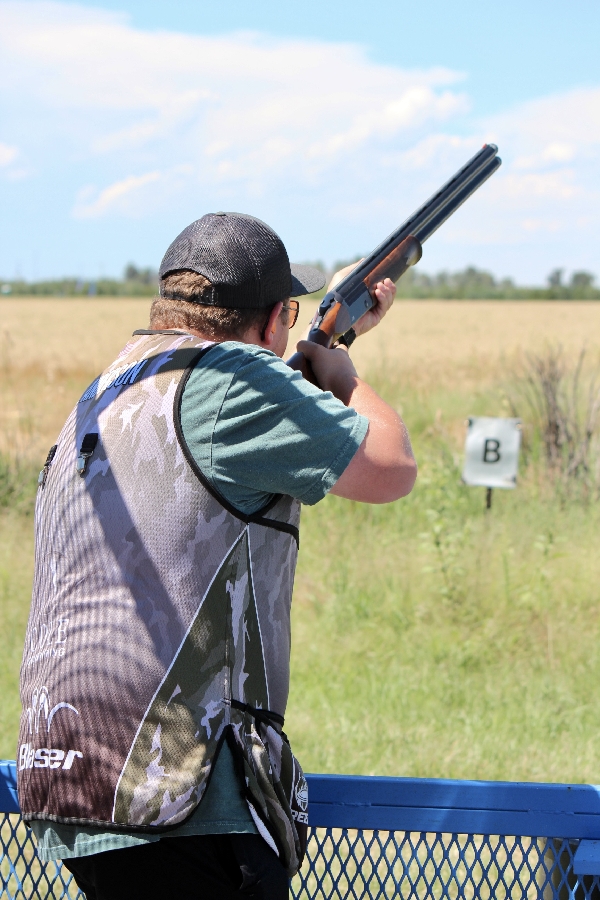
Willie Anderson

Photo Credit: Clay Target Nation

Conclusion:

In conclusion, mastering the art of sporting clays involves a huge amount of work and understanding of the fundamentals. A strategic embrace of trap style targets can take a shooter a long way as they start shooting this game or continue to hone their skill set. One important thing to remember is that no one is too good to practice trap style targets. From taking advantage of the show pairs to leveraging the efficiency of space at smaller stations, and refining skills through increased frequency and targeted training with locked traps, shooters can embark on a journey toward excellence. This comprehensive guide equips enthusiasts with the knowledge and insights needed to unlock the full potential of trap style targets in their pursuit of sporting clays mastery.

Back to Articles Home
Videos by The Clay Lab Network
Podcasts by The Clay Lab Network