The Clay Lab Videos Podcasts & Articles Banner

The Rise of Sub-Gauge in Competitive Sporting Clays—and Why 12-Gauge Still Matters

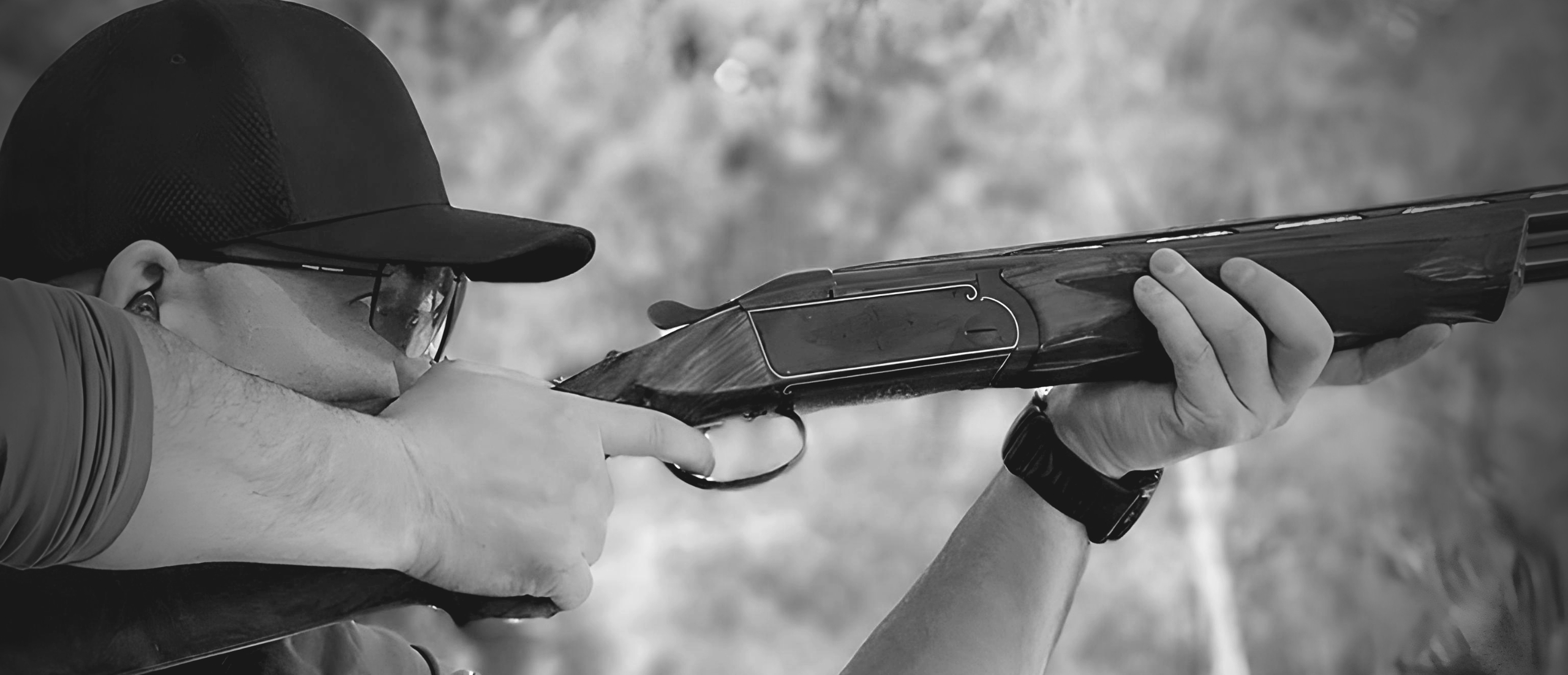
Rise of Sub-Gauge - The Clay Lab Network Articles Cover B&W

Over the past decade, sub-gauge events in competitive shotgun sports have experienced a remarkable surge in popularity, captivating a growing number of shooters who appreciate the added challenge and technical demands of shooting smaller-gauge firearms like the 20-gauge, 28-gauge, and .410 bore. Theseevents, now common fixtures in disciplines such as skeet, sporting clays, and upland-inspired competitions, are more than just a fun diversion. They require a deep understanding of ballistics, recoil management, shot pattern behavior, and precise gun handling.

Competing with sub-gauge shotguns isn’t simply a matter of picking up a lighter gun and shooting smaller shells—it’s an entirely different mindset. It's about adapting your technique, approach, and expectations. These smaller gauges bring reduced shot payloads, altered recoil characteristics, and in many cases, tighter and more challenging shot patterns. For serious competitors, mastering sub-gauge events can be a rewarding pursuit, but they are not without their own set of complications and hurdles. Many top shooters turn to high-performing platforms like the Krieghoff K-20 Sporting or Perazzi MX28 to give themselves the best chance at consistent success across events.

Why Sub-Gauge Is Gaining Ground

The appeal of sub-gauge events is multi-faceted. First and foremost, many shooters are drawn to the elevated difficulty. The lower pellet counts and tighter shot patterns demand more precise shot placement. Where a 12-gauge shell may provide a forgiving spread at distance, a .410 or 28-gauge shell might not be nearly as generous, especially on longer targets or challenging presentations. That built-in challenge fuels a competitive fire in many shooters. It becomes a badge of honor to break targets consistently with a gauge that demands almost surgical precision. Guns like the Perazzi MX410 embody that philosophy—offering competition-level accuracy with the ultra-light .410 bore.

Reduced recoil is another compelling reason shooters turn to sub-gauge events. With lighter payloads and smaller cartridge sizes, sub-gauge shotguns often produce less perceived recoil. For some shooters—especially youth, seniors, or those recovering from injury—this can make a long day on the range much more enjoyable and manageable. It also reduces fatigue and flinching over multiple rounds, potentially improving overall performance. The Beretta 687 Silver Pigeon III Field, available in sub-gauge configurations, is a favorite among those who want a soft-shooting platform without sacrificing elegance or reliability.

Cole Fine Guns New Banner

Additionally, sub-gauge events are frequently featured in national and regional competitions hosted by the National Skeet Shooting Association (NSSA) and National Sporting Clays Association (NSCA). As of the NSSA’s 2022 Annual Report, participation in sub-gauge events has increased by over 40% in the last ten years, showing that more shooters are either adding these events to their schedules or focusing exclusively on them.

For hunters, sub-gauge shooting often feels more “real” or practical. The smaller gauges replicate the conditions and limitations encountered in the field when pursuing upland game such as quail, grouse, or woodcock. Practicing and competing with these guns provides crossover benefits—enhancing field skills while staying sharp during the off-season. Options like the Beretta 687 EELL, prized for its exquisite handling and responsiveness in 20- and 28-gauge, transition effortlessly from field to competition.

Shotkam Ad Banner

The Challenges of Going Small

As rewarding as sub-gauge shooting can be, it undeniably introduces a number of additional challenges, especially for those used to the relatively forgiving nature of 12-gauge shotguns. For one, the physics of the ammunition itself work against you. A standard 12-gauge shell might carry 1-1/8 ounces of shot—enough to produce a generous, dense pattern. By contrast, a 28-gauge shell typically carries just 3/4 of an ounce, and a .410 bore shell often holds as little as 1/2 to 11/16 ounces.

This lower pellet count translates to fewer opportunities to hit a target—particularly on crossing, fast-moving, or long-distance presentations. The reduced muzzle velocity common in many sub-gauge loads also means that shooters must pay closer attention to lead, shot timing, and movement anticipation. Targets that would be crushed by a forgiving 12-gauge spread may be missed entirely with a 28 or .410 unless shot placement is spot-on.

Moreover, while many people assume that sub-gauge guns always kick less, that’s not universally true. Due to their lightweight design, some sub-gauge guns can actually produce sharper felt recoil despite lower overall energy. When high-velocity shells are introduced in lightweight frames, the reduced mass of the shotgun fails to absorb the energy, which can catch shooters off guard and even cause fatigue or soreness over time. That’s where shotguns like the Krieghoff K-20 Parcours shine—it balances weight and recoil absorption remarkably well for a sub-gauge competition gun, making it a favorite for extended sporting clays sessions.

Training for Sub-Gauge Success

To perform well with sub-gauge firearms, shooters must double down on fundamentals. There’s simply less room for error. Gun mount, foot position, and swing mechanics need to be consistent and refined. Sub-gauge shooting rewards a balanced stance and smooth, efficient movements—any rushed or jerky action is likely to throw the shot wide of the mark.

Pattern testing becomes especially important with sub-gauge guns. Shooters should routinely test their guns and loads at distances like 20, 30, and 40 yards to better understand how their shot behaves. This data is essential in making informed decisions about choke selection, load choice, and engagement strategy. As Don Currie, chief instructor of the NSCA, wisely points out, “Pattern testing is essential for sub-gauge success. Without it, you’re relying on guesswork.”

Many shooters also incorporate training aids like sub-gauge tube sets into their 12-gauge frames. These allow a shooter to mimic the experience of shooting sub-gauge loads while using their familiar competition shotgun. The weight and balance of the 12-gauge stock help maintain ergonomics, making the transition smoother. It’s also a cost-effective way to practice sub-gauge shooting without investing in an entirely new firearm.

Some drills that particularly benefit sub-gauge shooters include high repetition crossing shots, hold-point discipline, and target tracking exercises. These build muscle memory and reinforce repeatable movements—critical when each shot counts more than ever. For those ready to train with purpose-built sub-gauge equipment, models like the Zoli Z-Sport Silver and the premium Beretta SL3 offer refined craftsmanship with outstanding balance and consistency across 20 and 28-gauge formats.

Doctor Richard Colo Signature Banner

A Word on Equipment and Adaptation

Success in sub-gauge shooting often hinges on selecting the right equipment—and tuning it to fit the shooter’s body and style. Lightweight guns can be a blessing or a curse, depending on how they handle. Some shooters add barrel weights or use aftermarket recoil pads to help manage balance and felt recoil. Adjustable combs, stock extensions, and precision-fit chokes can all help a shooter get the most out of their gear.

Gauge-specific characteristics also influence performance. The 20-gauge is widely regarded as the easiest transition from the 12-gauge. It delivers moderate recoil, decent shot capacity, and familiar ballistics. The 28-gauge, while more challenging, still maintains enough shot density to be effective and is especially popular among competitive sporting clays shooters who enjoy a lightweight yet capable gun. The Beretta SL3, for example, is praised not just for its aesthetics, but for its excellent handling in smaller gauges. The .410, on the other hand, is an entirely different beast—unforgiving, demanding near-perfect form and shot timing. For that reason, it's often seen as the ultimate test of a shooter’s control, requiring pinpoint accuracy and razor-sharp reflexes.

The Clay Lab Network Articles is Brought to You by
Westside Sporting Grounds Banner

But Let’s Be Real—12-Gauge Still Reigns

Despite the allure of sub-gauge events, it’s crucial to acknowledge one truth: the 12-gauge is still king in competitive clay shooting, especially at the upper levels. Most top-tier competitors—from sporting clays to FITASC to five-stand—spend the majority of their time shooting and mastering the 12-gauge. It remains the most versatile, most accessible, and most prevalent gauge in competition.

The reality is that at nearly every major event—be it the U.S. Open, World FITASC, or National Sporting Clays Championship—there are more than enough 12-gauge events on the program to keep a shooter busy for the entire competition. You could attend a major shoot and focus solely on 12-gauge events, skip the sub-gauge options entirely, and still be completely fulfilled both competitively and recreationally.

More importantly, mastering the 12-gauge builds the core foundation of your shooting skills. It’s the benchmark. Every other gauge should be considered a variation or extension—not a replacement—for what you learn with the 12. If you want to stand on the podium, especially at the professional level, you’ll need to be competitive in the 12-gauge main events.

That said, the temptation to jump headfirst into sub-gauge competition is real. It’s fun. It’s technically demanding. And it gives shooters a sense of specialization—like mastering a niche weapon in a larger arsenal. But as enjoyable as they are, sub-gauge events should supplement, not substitute, your 12-gauge training and competition.

It’s About the Fun, Too

All that being said, this sport is fundamentally about enjoyment. If sub-gauge events are what bring you joy—whether it’s the unique challenge, the lighter recoil, or the style of shooting they require—then by all means, embrace them wholeheartedly. Every shooter brings a different set of goals, motivations, and preferences to the field. Not everyone is gunning for the podium. Some are there to unwind, enjoy the outdoors, and sharpen their skills in new and interesting ways.

So if sub-gauge events are your thing, more power to you. That’s one of the best parts about shotgun sports—you can tailor your experience to your personal goals. Whether you're a .410 perfectionist with a Perazzi MX410, a 28-gauge loyalist with a K-20 Sporting, or a 20-gauge upland traditionalist carrying a Beretta 687 EELL, there’s room for you here.

Sportsman's Training Center Banner 2184x270

Final Thoughts

Sub-gauge events offer a rich and rewarding layer of complexity to shotgun sports. They demand precision, control, and strategy, offering shooters a new way to test their skills and enjoy the sport. But they also introduce challenges that shouldn’t be underestimated—less forgiving shot patterns, reduced pellet counts, and gear-specific nuances that can throw off even experienced shooters.

At the same time, it's important to remember the foundation of competitive shooting lies in mastering the 12-gauge. It's where the competition is fiercest, the prizes are richest, and the standards are highest. As fun and rewarding as sub-gauge shooting is, it shouldn't come at the expense of neglecting the core events that define the sport.

In the end, whether you’re chasing a championship title or simply trying to crush a few clays with friends, find what fuels your passion and pursue it. If that's .410 bore and a tight skeet field, great. If it's 12-gauge on a wide-open sporting clays course, even better. This sport is big enough for all of it.

Jereme P Tayamen Signature Only Black
Back to Articles Home
Videos by The Clay Lab
Podcasts by The Clay Lab Network

Stop Looking at Every Target – Tips for Competitors in Sporting Clays

Jereme P Tayamen - Stop Looking at Every Target

We are going to break down a typical shooter’s day and
the number of targets they could possibly see vs the number of targets they
should be focused on. This is a pitfall that many shooters fall into without
even thinking about. We are going to talk about how your 100-target event can
easily turn into 456+ targets of visual work for your eyes. The point of this
article is to help you understand the choices you make during the execution of
your shooting day can influence your performance. This sport is truly a visual
game, mixed with proper mechanics, adequate equipment, and a solid mental game.

The major point to consider, simply put, is that human
eyes contain muscles. Primarily talking about the extraocular muscles, which
can experience fatigue when overworked, leading to a condition called "eye
strain" or "eye fatigue" where you might feel a heaviness,
soreness, or discomfort around the eyes after prolonged focusing. Anytime your
eyes are not operating at their peak performance, it is a disadvantage to you
as the shooter. There is a difference between observing targets and hard
focusing on them, but both use your eye muscles. To keep things simple, we'll
just say we are 'looking' at targets. Keep this in mind as we start discussing
single day or even multiple day events. Let’s dive into the problem-set.  

Cole Fine Guns New Banner

The Scenario Background

In this scenario you are shooting two 100-target sporting events in a single day which is very common for either a single or multiple day event. We are going to use a 14-station course as the standard for this course with a typical mix of three to four pairs per station. Most shooters can find themselves in a situation where they are shooting even more than 200 targets in a single day if they are trying to cram everything into just the weekend of a multi-day shoot.

Math Behind Potential Eye Strain

The simplified math will be shown below but here is the explanation behind it. The first 100 target event will include the 100 targets you shoot at for score. Then you have the 2 show-pairs at every station that you will use to develop your game plan for the station. Given the 14-station course layout we are using, that’s an additional 56 targets (2x2=4, x 14 Stations) if you view your show-pairs. Now, let’s assume that most shooters are assisting the current shooter in the box and the trapper to make sure that scores are recorded accurately for dead targets and missed targets to be a “Good Squad Mate”. In a squad you will typically have 4 shooters in a squadded event where trappers are provided. If you watched every target thrown for the other three shooters, that is an additional 300 targets not even accounting for “no-bird” calls. This doesn’t even address the targets people we see while observing the squad ahead of them while waiting to shoot just to get a glimpse are what the station could involve. This means that during this 100-target event, you CAN see up to 456 targets! That is a lot of clay targets to view.

Doctor Richard Colo Signature Banner

The Simple Math 

Your targets for score:                                          100 targets

Show Birds for a 14-station course:                   056 Targets

Other three shooter’s targets for score:            300 Targets

Total Targets Viewed:                                      456 Targets

Now we have your second round of 100 targets to complete the second event. The math is simple, 456 more targets bringing your grand total for the two rounds to 912 targets. This doesn’t include any sort of “warm-up” you shot prior to your events. Now that we know how many targets a shooter can see during a 200-target event day, the question is “how many targets should you look at?”.


Targets You Shoot for Score

Obviously, the targets you are shooting for score are a must to look at. These targets are clearly important to achieve the results you are looking for from a performance standpoint. Nothing else should really be said about these targets.

The Clay Lab Network Articles is Brought to You by
Westside Sporting Grounds Banner

Show-Pair Targets

Developing a plan for the station is clearly an important task. Some people are comfortable see the show pair once and getting to work. I highly recommend utilizing all your show pairs to develop a solid game plan for the station. This includes hold points, the kill point or zone (where you see the target best), how you plan to transition to the second target, the methods you plan to use, and whether you will start pre-mounted or with a low gun. Given this large list of things that should be figured out, these targets should clearly be a high priority to view and expend the visual effort towards. An additional benefit is the perspective you will receive during these show-pairs due to your physical positioning in/around the stand without distracting the shooter who is currently up to shoot.


Squad Mate’s Targets for Score

How many of these targets should we be looking at? Well, the answer is, it depends. The hard part is balancing being a “good squad mate” and conserving your eyes. If you are in a squad, then they should act like one and use teamwork to support each other. If one person is shooting, the “on-deck” person is planning/validating, then the third or fourth person could assist. Ultimately, this is why trappers are important and should be treated very well by the club; but that’s another subject for another time…maybe. Help where you can, be a good person, but remember that most of the time this is not a team sport so you will have to figure out what helps you sleep at night.


Squad Ahead of You

Tread lightly on the number of targets you view from the squad ahead of you while waiting to shoot. There are obvious benefits to observing things like how someone is approaching a true-pair station, but it may not be in your best interest to watch all four shooters shoot all four pairs adding up to an additional 32 targets per station expediting your path to eye-strain. 

Sportsman's Training Center Banner 2184x270

Conclusion

This is all just something to consider as you go through your shooting journey. I am not advocating that everyone becomes a selfish shooter and never helps their squad out. This could possibly even assist with people who do operate like that appreciate those squad mates who do put in the extra effort looking for chips. Your eye muscles, like the rest of your muscles, have a limited capacity for use at high performance levels. Take care of them, use your hard-focus wisely, and plan appropriately when developing your shooting schedule. Cramming 350 targets into a single day may not be the best option for peak performance. However, I understand that not everyone can take four days off work to space out each event properly. As unpopular as this opinion might be with clubs, consider picking only the most meaningful events rather than shooting everything. At the end of the day, make sure your plan aligns with your shooting goals. Having the most registered targets shot between you and your friends is cool but I’d argue having a higher shooting average in less events is cooler. I am on year four of shooting and the points I made have finally set in and have helped me elevate my game, even if it is only by a little bit. I hope this was of value to you and would appreciate your thoughts on the matter. 

Jereme P Tayamen Signature Only Black
Back to Articles Home
Videos by The Clay Lab
Podcasts by The Clay Lab Network

Focusing on a Successful “Process” in Sporting Clays to Hit Targets

Jereme Tayamen Focusing on a Successful “Process” in Sporting Clays to Hit Targets V1

Sporting clays is a dynamic and mentally demanding shooting sport that requires a high level of skill, concentration, and strategy. Sporting clays provides shooters with a variety of stations, each featuring different angles, speeds, and types of targets so the way a shooter approaches the game can be one of things that makes or breaks their game. These variations create a complex and ever-changing environment where the best shooters are those who can maintain consistency through a well-developed mental game a understanding of mechanics, all while putting them together. This article is just a collection of some of the best advice I've learned over the years from The Greats of the sport through personal interaction, podcasts, or even videos. Whether it's lessons with Will Fennell, reading Anthony Matarese's book, speaking with Dan Carlisle, or spending hours learning about the game with Doctor Richard Colo and Jim Greenwood. It's primary purpose is emphasizing the importance of establishing AND implementing a successful shooting process in sporting clays, emphasizing the need for shooters to allocate time and energy into perfecting the process which will ultimately lead to results. This information is an inch deep in a pond a mile wide and not meant to be the end all be all to success. I myself still work on perfecting the process to make it all second nature. Ultimately, the best advice is to work with a coach that will help you develop your game holistically but here is my best advice on the subject in my own words.


In my opinion, the process in sporting clays can be broken down into four main phases: station planning, the pre-shot routine, executing the plan, and the post-shot routine. Each of these phases plays a critical role in a shooter’s ability to hit targets consistently and develop a repeatable performance under varying conditions. Understanding how to establish, refine, and perfect each of these phases is essential for anyone looking to elevate their shooting to a higher level. Through deliberate practice and thoughtful analysis, shooters can build a successful process that enhances their overall game. Focusing on the Process and not the results is the name of the game. As mentioned, none of this is going to be "mind-blowingly" new but it will hopefully be structured in an easily digestible manner.

Phase 1: Station Planning


The first phase of the process begins long before the shooter ever calls for the target. Station planning is the cornerstone of a successful shot, as it sets the foundation for everything that follows. Effective planning allows the shooter to approach each station with a clear idea of how they intend to break the targets in front of them. The station planning phase is an exercise in observation, decision-making, and mental preparation, and it involves several critical steps that must be executed with good mechanics and confidence.


1.1: Seeing the Show Pair or Show Birds


At each station, shooters are given the opportunity to see the “show pair” or “show birds” before they begin shooting. This is a critical moment where shooters can observe how the targets behave in the air and where they will need to focus their attention. The show pair gives the shooter a preview of the target presentation, but it is important to remember that the show birds are not always identical to the targets you’ll be shooting. Weather gets a vote in this outdoor sport. The goal during the show pair is to take note of the key visual information: the flight path, speed, angle, and distance.


Many shooters make the mistake of rushing through the show pair or failing to pay full attention. However, this phase of station planning is essential because it provides insight into how best to approach the upcoming targets. A good practice is to take mental notes of any potential challenges or variations that could influence the shot.

Doctor Richard Colo Signature Banner

1.2: Determining Where You See the Bird the Best


When viewing the show birds, the most important task is to determine where you see the bird the best and more importantly what detail you will visually find in every pair afterwards. Different shooters may have different visual preferences and comfort levels based on the angle and speed of the targets. 

Understanding where you see the bird most clearly will influence your approach to the station. The clarity of your visual focus is critical because it will guide your shooting technique. "Where you see it the best" doesn't mean that it is 100% in focus, it means "the best" as written. That target may never be 100% in focus.

1.3: Choosing the Shooting Method


Once know where you see the bird the best, it’s time to decide on which shooting method to use. There are several methods that shooters use to break targets, and choosing the right method depends on a wide variety of things. This article isn't about the specific methods so yes we are going to gloss over this, plenty of other material out there between instructional dvd's and YouTube videos. These methods include:

Pull-Away, Swing-Through, Sustained Lead, or even Collapsing Lead


The choice of technique depends on the target’s speed, distance, and trajectory. In many cases, the shooter’s comfort with one method over the others will determine the choice. The goal is to determine which technique will allow you to successfully engage the target with the least amount of disruption while taking into account targets variables that will come to you visually. 

1.4: Determining a Hold Point


The hold point is the spot where you position your gun before you call for the target. It is important to establish a hold point that matches the trajectory and is on the line. If you know you will have issues seeing the bird with your gun at that hold point, ask yourself if you should be pre-mounted or shooting low-gun. That will come into play in the next step while not forgetting angle, speed, and distance.

Your hold point should match the method you chose to kill this target. If you don't intend for the bird to beat you, then don't set yourself up to lose the race (too tight to the trap). If you're shooting swing-through, then you should purposefully lose the race but the question is by how much? If you're shooting maintain lead...then find a different article. Kidding aside, I have no idea so I don't pretend to know. General rule is about half to one-thirds the way back from your Kill Point (where you saw the bird the best). To a point, if you aren't working with a good coach or sports vision specialist, only you are going to know your current physical limitations, seeing ability etc. to help you establish good hold points.


1.5: Finalizing the Plan with Confidence


After considering the hold point, shooting technique, and visual focus, the final step in station planning is to solidify the plan with confidence. Confidence is the result of practice, experience, and trust in your preparation. The more time you spend planning and perfecting each presentation before competing, the more naturally you will feel when it comes time execute your plan. Confidence comes with repetition, and over time, the process becomes instinctive. When the shooter has confidence in their plan, they are more likely to remain calm and focused, which is essential for success in sporting clays.

The Clay Lab Network Articles is Brought to You by
Westside Sporting Grounds Banner

Phase 2: The Pre-Shot Routine


The pre-shot routine is a transition phase between the station planning and execution phases. This is when the shooter mentally and physically prepares for the upcoming shot(s). The pre-shot routine is designed to calm the mind, focus the attention, and ensure the shooter is mentally prepared to execute the shot at the right moment.


2.1: The Time for “Letting Go”


The pre-shot routine is not just a series of physical actions (adjusting your hat, fixing your glasses, or checking your shells); it is a mental reset. This phase is the time for “letting go.” Letting go means releasing the conscious control over your shooting mechanics and allowing your subconscious mind to take over. The pre-shot routine is about transitioning from an analytical, conscious state of mind to a more intuitive, subconscious approach to shooting.


When you “let go,” you are not trying to consciously control every movement in your shot. Instead, you are allowing your body to execute the actions it has practiced over time. The brain’s conscious mind is excellent at planning and analyzing, but it is the subconscious that handles the muscle memory and coordination needed for the shot. 


2.2: Call for the Target and Trust the Process


Once the pre-shot routine is completed, the shooter is ready to call for the target. At this point, it is important to trust the process and allow the subconscious to execute the shot. The conscious brain should remain detached from the mechanics of shooting; the focus should be entirely on the bird.

Sportsman's Training Center Banner 2184x270

Phase 3: Execution


The execution phase is when the shooter takes action based on the planning and preparation that has occurred. This phase is about carrying out the plan in real-time, using the subconscious to control the body and gun movement.


3.1: Letting the Subconscious Lead


When executing the shot, the shooter’s goal is to stay relaxed and trust the preparation they’ve done in the previous phases. The more a shooter has practiced, the more automatic the execution becomes. The subconscious mind takes over, ensuring that the shooter follows through with the correct technique. At this stage, the shooter focuses solely on seeing the bird and allowing their body to naturally follow through with the appropriate lead. In the Words of Doctor Richard Colo, the most important component of the execution of the shot(s) is attaining and sustaining visual control. We do that by providing the conscious mind with a task difficult enough that subconscious mind finished the shot for you. This is achieved by setting your attention fully on the detail of the bird. How you achieve that is huge subject on its own that Doctor Colo and his pupils are best to work with to describe.


3.2: Hitting the Target


Yes, the ideal outcome of execution is hitting the target. Successful shooters rely on their ability to follow through with the plan they’ve made, using the subconscious to guide them through the mechanics of the shot, and maintaining visual control through the process. The key is not to force the shot but to let it happen naturally. Lastly, I will say the thing I try my best not to forget is Doctor Colo telling me that it is more important to truly see 100/100 targets than it is to hit 100/100 targets.

Ranger Affiliate Banner v3

Phase 4: The Post-Shot Routine


The post-shot routine is crucial for learning and improving. This phase occurs immediately after the shot, when the shooter evaluates what just happened.


4.1: Evaluating the Shot


Once the target has been hit or missed, the shooter should take a very brief moment to assess what occurred. Stay within your allotted time which the rules outline and don't cut your next pre-shot routines corners. A Shooter should ask themselves, "was the plan executed well?"  If the shot was missed, "was it due to a mistake in execution or an issue with the station plan itself?" This quick evaluation helps the shooter make adjustments for future pairs. I myself can be seen on occasion shaking my head even though I hit the target. Why? because I know the process was executed wrong and building bad habits isn't okay even if I get lucky and break a few targets... I want to break all the targets.


4.2: Moving On


“Moving on” is an essential part of the post-shot routine. It’s important to move past a miss or a bad shot without letting it affect your focus for the next station. However, moving on does not mean forgetting the shot entirely—it means learning from it. A missed shot might be an opportunity to learn something about the station, the target, or the shooter’s mechanics. By learning from each shot, shooters can improve over time.


4.3: Preparing for the Next Station


After completing a station, the shooter’s focus should shift to the next station. At this point, applying the process—planning, pre-shot routine, execution, and post-shot evaluation—becomes the shooter’s primary focus. With experience, the process becomes ingrained, allowing shooters to perform at a high level under varying conditions. We will all forget this and eventually have to relearn what is important.

Conclusion

The process of shooting sporting clays is built on the foundation of consistent planning, mental preparation, execution, and post-shot reflection. The key to success lies not in the ability to hit any individual target, but in consistently applying the process across all stations, regardless of the challenges each one presents. Confidence comes with experience, and that experience is built through practice and analysis of each shot. By committing to a structured process that emphasizes station planning, pre-shot mental preparation, subconscious execution, and post-shot reflection, shooters can elevate their game and achieve long-term success. Whether you're an amateur, novice or an experienced competitor, dedicating time to perfecting these phases will help you refine your skills and stay consistent throughout the game. With time, the process becomes second nature, allowing you to hit more targets and develop the mental fortitude needed to succeed at the highest level of sporting clays. I truly hope this was a helpful article to some. I will never to claim to be an amazing shooter but I will continue to try to spread the best information I have learned from the best in the game to help others. 

Jereme P Tayamen Signature Only Black
Back to Articles Home
Videos by The Clay Lab
Podcasts by The Clay Lab Network

Shooter Spotlight: Carrie Methany – An NSCA Pro-Squad Qualified and Trailblazing Shooter out of Roanoke, VA.  

Carrie Methany, a formidable force in the world of sporting clays, hails from Roanoke, Virginia. Her journey into this demanding and challenging sport is as inspiring as it is unique, blending a lifelong love for the outdoors with an unyielding determination to excel, despite physical challenges that might have deterred a lesser spirit.


Early Life and Diverse Outdoor Pursuits

Carrie's upbringing was steeped in outdoor activities. She grew up in a family that cherished nature and adventure, which laid the groundwork for her diverse interests and skills. Soccer, swimming (where she excelled in the butterfly stroke), whitewater kayaking, camping, rock climbing, and even ice climbing were integral parts of her youth. This diverse athletic background instilled in her a love for physical challenges and the outdoors.


Her educational journey took her to the University of Iowa, where she pursued and earned a master’s degree in metalsmithing. After completing her degree, she returned to Virginia, embarking on a new chapter of her life that would eventually lead her to the world of competitive shooting.

Photo Credit: Little Trapper Inc. & James Byrd

Introduction to Shooting Sports

Carrie’s entry into shooting sports was somewhat serendipitous. Upon moving back to Virginia and purchasing her first home, her father gifted her a Marlin .22 rifle to manage the groundhogs in her garden. This gift reignited a passion for shooting, which was further fueled by a fly-fishing buddy who introduced her to indoor shooting ranges, Glock matches, and International Defensive Pistol Association (IDPA) competitions. Her interest in shooting sports evolved, leading her to participate in 3-gun competitions.


A pivotal moment in her shooting career occurred at a "Girl and A Gun" 3-gun match. During a multi-sport competition day, she was introduced to 5-stand shooting and CZ over-and-under shotguns. Carrie’s immediate success in this discipline, marked by a victory that day, convinced her that sporting clays was her calling.


Overcoming Physical Challenges

Despite her love for the dynamic nature of 3-gun competitions, Carrie faced significant physical limitations due to multiple surgeries, including bilateral hip replacements and the need for knee replacements. These challenges would have sidelined many athletes, but Carrie found a new passion in sporting clays, a sport that allowed her to compete at a high level without the same physical demands.


Sporting clays provided Carrie with a renewed sense of purpose and achievement. She immersed herself in the sport, acquiring a used CZ Supreme Field gun and dedicating herself to rigorous practice. Often training three to four days a week, she taught herself to shoot while managing the clays with manual controls.

Photo Credit: Carrie Methany

Rapid Ascent in Sporting Clays

Carrie’s dedication and hard work paid off quickly. One of her early competitions at Cosner Reserve Sporting Clays saw her achieve High Overall (HOA) in the true pair event, igniting her passion for competition. Within a year, she ascended from novice to master class, a testament to her natural talent and relentless practice.


Seeking to refine her skills, Carrie sought guidance from top instructors like Anthony Matarese and Mike Luongo. Their coaching helped her improve her gun fit and shooting technique, further enhancing her performance. Each lesson brought renewed motivation and new challenges to conquer, keeping her engagement with the sport fresh and dynamic.


Geographic Challenges and Dedication

One of Carrie’s significant struggles in pursuing her passion is her location. Based in Roanoke, Virginia, she often finds herself traveling long distances to attend matches and practice at challenging courses. Her dedication is evident as she regularly drives three to five hours to places like Hermitage Sporting Grounds or Rocky Creek to hone her skills.


Despite these geographic challenges, Carrie remains undeterred. Her commitment to the sport and her drive to compete at the highest level are unwavering. Her goals for the year include improving her performance in FITASC (Fédération Internationale de Tir aux Armes Sportives de Chasse), developing a solid routine, and focusing on main events, even if it means reducing participation in side events.

The Clay Lab Network Articles is Brought to You by

Accomplishments and Recognition

Carrie’s achievements in sporting clays are numerous and impressive. She is a three-time Virginia ladies state champion and the 2024 Ladies East Coast champion. Her accolades include being a two-time Krieghoff All-American and ranking fourth on the 2024 Ladies First Team. She also made Briley’s Ladies First Team in 20-gauge, 28-gauge, and .410 bore, as well as the B&P FITASC Second Team.


Her competitive spirit and skill have earned her high honors at prestigious events. Notably, she was the HOA at the Omni Homestead Resort in 2023 and claimed the first-place spot at the Great American Shoot in 2022, where she was part of the Oak Grove Technology team. Her success is a direct result of countless hours of practice and dedication, which have seen her wear out a CZ Supreme Field gun and a Beretta 694. Currently, she competes with a Krieghoff K-80 Sporter and reloads all her practice shells except for National Sporting Clays Association (NSCA) competitions.


Mentorship and Community

Carrie is not only a competitor but also a mentor and advocate for the shooting sports community. She founded Carrie’s Clay Crushers, an initiative aimed at introducing more people to shooting sports. She finds immense joy in witnessing newcomers break their first clays and strives to foster a supportive and inclusive community.


Her advice to new shooters is to surround themselves with skilled shooters who can provide valuable insights and push them to improve. The camaraderie and friendships she has formed through the sport are among her most cherished rewards.

Photo Credit: Carrie Methany & Little Trapper Inc.

Balancing Multiple Roles

Outside of her shooting career, Carrie leads a fulfilling life with diverse interests and responsibilities. She serves as an adjunct professor at Radford University and manages her family’s rental business. Her love for the outdoors continues with activities like fly-fishing and kayaking, and she enjoys spending quality time with her dog.

Photo Credit: Little Trapper Inc.

Looking Ahead

Carrie’s future in sporting clays looks promising as she continues to set ambitious goals and pursue excellence. She is excited about participating in pro squads at the US Open and Nationals, eager to learn and grow from these experiences. Her relentless drive, combined with her love for the sport and the community it fosters, ensures that Carrie Methany will remain a prominent figure in the world of sporting clays for years to come.


In conclusion, Carrie Methany’s journey in sporting clays is a testament to her resilience, dedication, and passion. Her ability to overcome physical challenges, rapidly ascend the ranks, and contribute to the community highlights her as a true trailblazer in the sport. As she continues to break new ground and inspire others, Carrie’s impact on sporting clays and the broader shooting sports community will undoubtedly endure.

Latest YouTube Video

YouTube

Syren Shotguns ft. Grace Callahan - For Women with No Compromises - Sporting Clays, Waterfowl & More

The Clay Lab July 11, 2024 3:00 pm

Back to Articles Home
Videos by The Clay Lab
Podcasts by The Clay Lab Network

Maximizing Shooting Performance: The Art of Planning and Tapering in Sporting Clays

In the expansive world of firearms, Briley Manufacturing Company emerges as a beacon of precision, innovation, and quality. Established in 1976 by Jess Briley, this Texas-based enterprise has transformed from a modest machine shop into a global force in firearms accessories. Renowned for its commitment to precision and excellence, Briley has left an indelible mark on shotgun sports, supporting various disciplines such as trap, skeet, and sporting clays. In this comprehensive exploration, we will delve into the origins of Briley, examine some of its notable products, and focus specifically on the mastery behind their renowned choke tubes and tube sets.


Origins:


Briley Manufacturing's journey began in Houston, Texas, where Jess Briley founded a small machine shop in 1976. Jess Briley envisioned a company that would combine his expertise in machining with a commitment to quality craftsmanship. As Briley gained recognition for its precision and innovation, it expanded its product offerings to become a trusted name in the firearms industry.

The Science of Adaptation: Slow and Steady Wins the Race

Shooters often underestimate the timeline of physiological adaptation following a training session. Muscles rebuild, energy stores replenish, and genetic expression alters in response to the stresses imposed during practice. This process, known as recovery, underscores the importance of patience in training. While immediate gains may be elusive, the long-term dividends of structured rest and recovery are undeniable.


Akin to other sports that are more physically involved, research indicates that optimal recovery takes time, with significant losses in muscular and aerobic fitness observed only after several days of inactivity. For athletes preparing for grueling events like ultramarathons, the road to deep recovery may span weeks. Yet, striking a balance between rest and activity is imperative to ensure peak performance. If you don’t think shooters are athletes, ask your NSCA Veteran Concurrent Shooters how exhaustive shooting a 4 day event is vs a Junior. Although Sporting Clays shooters may not match the same description as other athletes, they face the same challenges but in different ways. Did you know your eyes take muscles to move them? How tired do your eyes get after a day or weekend of shooting?


The Art of Tapering: Fine-Tuning for Success

At the heart of peaking lies tapering - a strategic reduction in training load designed to enhance performance just in time for competition. Tapering is not merely about cutting back on mileage; it's a nuanced process that requires careful planning and adherence to key principles. Some professionals practice this while others tout massive amounts of shells leading up to a tournament. A safe comparison you may find is the student cramming before a test vs the someone putting in the work over a long period of time.


While the duration of tapering varies depending on the event's length and a shooter's conditioning, certain principles hold true across disciplines:


Endurance Base: A solid foundation of endurance training is essential to maximize the benefits of tapering. This is the 100 bird event practice keeping your mental and physical conditioning up to par for competition.

Taper Period: The optimal taper period typically ranges from a couple days for smaller events to up to a week or more before big events.

Training Frequency: While training frequency may be slightly reduced, intensity remains constant.

Training Volume: Reductions in training volume range from 50% to 95% as the competition gets closer.

Intensity: Maintaining high-intensity training preserves mental focus on making every bird count as they do in competition.

The Clay Lab Network Articles is Brought to You by

Avoiding Common Pitfalls: Timing is Everything

Despite the well-established benefits of tapering, many shooters may fall prey to the temptation of training hard until the eleventh hour. This approach can often backfire, leading to suboptimal performance due to inadequate recovery both mentally or physically. We are not machines, something will give eventually and it will either be your mental focus that you need for every target to count or your body it self when you gun starts to feel a bit “heavy”. Small hint, it’s not anymore heavy than when you started, it’s you.


Crafting a Long-Term Strategy: The Power of Periodization

Peaking isn't an isolated event; it's the culmination of a meticulously crafted training regimen rooted in periodization. Periodization involves systematically modulating training intensity and volume to achieve peak shooting performance at the desired time. Whether elite or recreational, shooters must integrate periods of rest and recovery into their training cycles to sustain long-term performance gains.


Tailoring the Taper: Event-Specific Considerations

Just as no two shooters are alike, no two tapering strategies are identical. The duration and intensity of tapering must align with the demands of the event. Longer events necessitate more extended taper periods to allow for full recovery and adaptation. Conversely, shorter events may require shorter, more intense tapering protocols. Understanding the unique demands of each discipline enables shooters to tailor their tapering strategies for maximum effectiveness.

                  The Latest Clay Lab Video

Conclusion: Mastering the Art of Peaking

In the pursuit of sporting clays excellence, success hinges not only on skill and determination but also on strategic planning and disciplined tapering. By embracing the rhythms of adaptation and adhering to proven tapering principles, shooters can unlock their full potential precisely when it counts. Whether standing on the precipice of a State Shoot or gearing up for the World Sporting Clays Championship, the art of peaking transforms aspirations into achievements, propelling athletes to the pinnacle of sporting success. If you don’t think Sporting Clays Shooters are Athletes, think again.

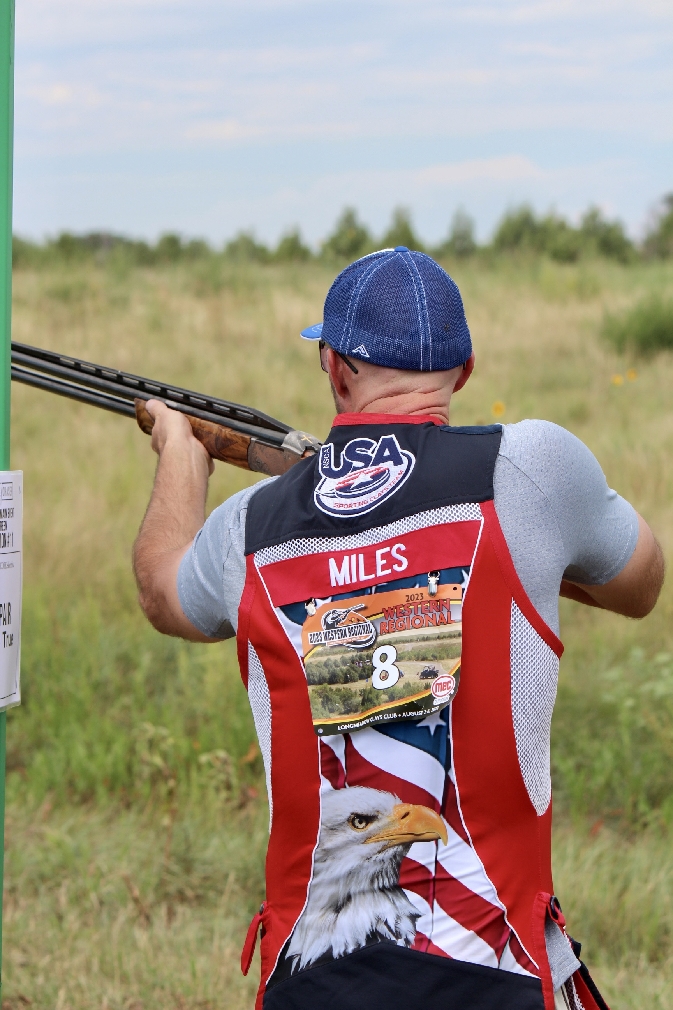
Gebben Miles

Photo Credit: Clay Target Nation

Back to Articles Home
Videos by The Clay Lab Network
Podcasts by The Clay Lab Network